

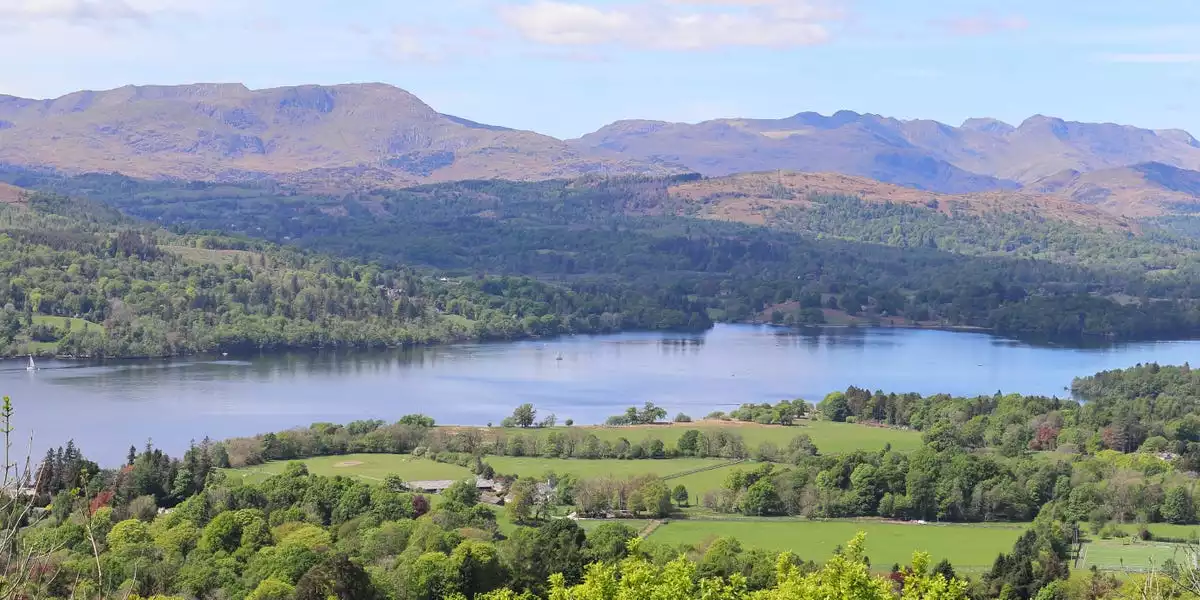

Windermere as a case study in the “remote-work rural renaissance”
Windermere—home to fewer than 10,000 residents in England’s Lake District—has long traded on its natural serenity. What is changing is the *strategic meaning* of that serenity. The town is increasingly emblematic of a broader UK and European shift: rural destinations evolving from seasonal escapes into credible, year-round lifestyle hubs.
The press material’s multigenerational narrative—return visits spanning pregnancy, early childhood, and teenage years—captures a commercial reality that many destination economies struggle to articulate: place loyalty compounds over time. Windermere’s appeal is not merely scenic; it is repeatable, dependable, and socially reinforced by a close-knit local fabric. That combination is now intersecting with a structural trend: professionals who can work from anywhere are re-evaluating where “anywhere” should be.
For business leaders, the implication is that Windermere is no longer just a tourism asset. It is a testbed for distributed workforce dynamics, place-based branding, and the next wave of rural digital infrastructure—with all the opportunities and tensions those forces bring.
Digital infrastructure and smart tourism: the next competitive moat
Transport connectivity has historically underpinned Windermere’s accessibility—linking to regional hubs such as Lancaster and Carlisle, and even London. Yet the next phase of competitiveness is increasingly digital. In practical terms, gigabit-capable broadband and reliable 5G coverage will determine whether Windermere can convert “visitors” into long-stay remote workers, and whether local firms can modernize operations without diluting the town’s understated character.
Several technology vectors stand out:
- Rural connectivity as an economic multiplier
Strong broadband is no longer a “nice-to-have” for rural towns; it is a prerequisite for:
– remote work and micro-entrepreneurship
– cloud-based booking and payments for hospitality operators
– resilient operations during seasonal peaks and macroeconomic slowdowns
- Smart-tourism platforms as capacity and experience management
Windermere’s curated experiences—lake cruises, walking trails, literary heritage routes—are well-suited to data-driven orchestration:
– AI-powered recommendation engines that personalize itineraries
– contactless check-in and queue management to reduce friction
– dynamic capacity controls that protect visitor experience during high demand
- IoT-enabled conservation as a license to grow
As footfall rises, the risk is not only environmental degradation but reputational damage to the Lake District brand. Low-impact monitoring—such as water-quality sensors, trail footfall counters, and LPWAN-connected devices—can support:
– real-time conservation decision-making
– evidence-based visitor caps or timed-entry systems
– ESG reporting that increasingly influences public funding and private investment
The strategic nuance is that “smart” must remain invisible. In destinations like Windermere, technology succeeds when it reduces congestion, protects nature, and improves service quality—without turning the town into a theme park of screens and prompts.
High-end gastronomy, local supply chains, and the economics of place equity
Windermere’s hospitality proposition is evolving from traditional comfort food and local staples to Michelin-level dining—a shift with outsized economic consequences for a small town. Fine dining is not merely a premium revenue stream; it can function as a regional supply-chain anchor, pulling through demand for artisanal and heritage products and stabilizing local producers against global volatility.
This is where the press briefing’s emphasis on “vertical integration” becomes commercially significant. A destination that can credibly link:
- signature dishes and local provenance (e.g., heritage sausages, regional dairy, local fruit)
- high-quality accommodation and service standards
- repeat visitation across life stages
…creates what might be called place equity: a durable, monetizable reputation that extends beyond weekend tourism into longer stays, second-home interest, and even relocation intent.
Yet the same forces can introduce strain:
- Property market inflation driven by lifestyle migration and second-home demand
- infrastructure pressure on transport, utilities, and health services
- labor constraints in hospitality as housing affordability tightens
This is why the briefing’s focus on community capital matters. Windermere’s social economy—informal networks, relationship-based commerce, early shop closures—signals cohesion, but also fragility if external capital extracts value without reinvesting locally. More formal mechanisms could help retain upside in the community, including:
- co-op or community-share ownership models for pubs, B&Bs, or local amenities
- impact-focused investment vehicles aligned with conservation and local employment
- fractional ownership structures that balance access with local benefit
For investors and policymakers, the question is not whether capital will arrive, but whether it will be structured to compound locally.
Strategy outlook: PPPs, sustainable mobility, and resilience against macro-shocks
Windermere’s future trajectory will likely be shaped by how effectively stakeholders coordinate across public and private lines. The most investable pathway is one that treats connectivity, conservation, and mobility as a single system—because in high-amenity rural markets, growth that damages the asset base is self-defeating.
Priority strategic moves implied by the briefing include:
- Public-private partnerships (PPPs) for enabling infrastructure
Blended funding can accelerate:
– fiber-to-the-premises (FTTP) and resilient backhaul
– EV charging networks and low-emission transit options
– sensor-based environmental monitoring tied to operational policy
- Lifecycle-centric tourism and long-stay positioning
Windermere’s narrative naturally supports segmented offerings—wellness retreats, family adventure, heritage and nostalgia—strengthened by CRM analytics and repeat-visitor personalization.
- Resilience planning for demand shocks and climate risk
Tourism-heavy economies are exposed to:
– interest-rate-driven consumer pullbacks
– currency volatility affecting inbound travel
– climate impacts that alter seasonality and infrastructure needs
Flexible models—dynamic pricing, tiered bundles, even subscription-style destination memberships—can help smooth volatility without eroding brand integrity.
Windermere’s significance, then, is not that it is changing into something unrecognizable, but that it is becoming a clearer signal of where rural economies are heading: digitally enabled, experience-led, sustainability-constrained, and increasingly shaped by the geography of work. The towns that thrive will be those that treat connectivity and conservation not as competing priorities, but as the twin foundations of long-term competitiveness.

 By
By
 By
By
 By
By

 By
By

 By
By
 By
By
 By
By

 By
By









