
Arctic live-fire drills signal a new benchmark for NATO’s cold-weather deterrence
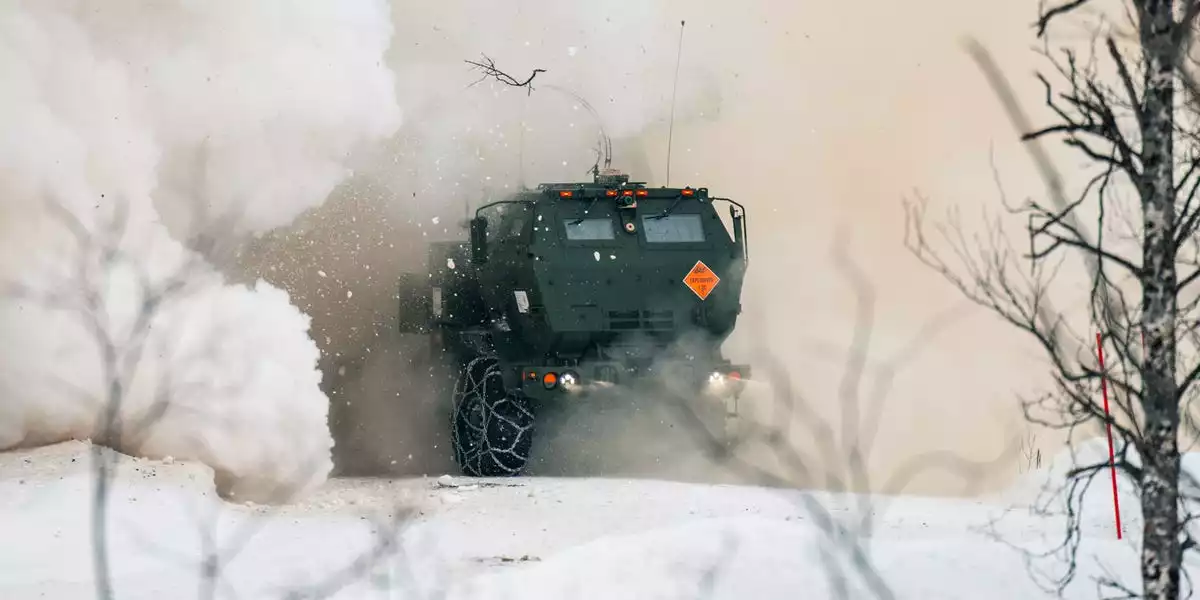
The US Marines of the 2nd Battalion, 10th Marine Regiment completing live-fire exercises with High Mobility Artillery Rocket Systems (HIMARS) in northern Norway is more than a tactical training milestone—it is a strategic communication in the language of capability. Conducted over several weeks at Setermoen, the drills combined rapid-launch iterations with survival training and maintenance routines under punishing Arctic conditions: subzero temperatures, limited daylight, and terrain that can immobilize vehicles and fracture supply lines.
For NATO, the message is twofold. First, the alliance is treating the High North not as a peripheral frontier but as an operational environment requiring repeatable readiness. Second, it is validating that modern precision fires—proven in Ukraine—can be adapted to a theater where airpower and maritime access may be intermittent, contested, or weather-denied. In an era when deterrence increasingly rests on credible, rapidly employable options, Arctic HIMARS training becomes a practical demonstration of reach, responsiveness, and resilience.
HIMARS in extreme cold: what the engineering lessons reveal about next-generation defense tech
Operating HIMARS in sub-Arctic conditions is a stress test for systems that, in temperate climates, can appear mature and predictable. Cold impacts are not cosmetic; they alter the physics of materials and the reliability of subsystems. The Norwegian training environment exposes where performance margins narrow—an invaluable feedback loop for defense primes and their suppliers.
Key technological implications likely to shape procurement and R&D priorities include:
- Cold-weather performance engineering
– Extreme cold can challenge hydraulics, propellants, seals, batteries, and electronics, pushing maintainers into a constant battle against brittleness, viscosity changes, and condensation-related faults.
– Lessons learned can drive cold-tolerant lubricants, thermal management upgrades, and materials science improvements, with spillover potential into civilian polar operations such as offshore energy, Arctic shipping support, and high-latitude telecommunications.
- Precision fires when air and maritime support degrade
– Arctic storms and sea-state volatility can sever or delay air and maritime lines of communication, elevating the value of land-based, network-enabled precision strike.
– Expect intensified focus on resilient datalinks, sensor fusion, and AI-assisted fire-control designed to function under intermittent connectivity and degraded navigation signals.
- Digital twins and simulation as readiness multipliers
– Leadership’s emphasis that Arctic conditions are “irreplaceable” underscores a training constraint: there are only so many places to rehearse this realistically.
– This will likely accelerate investment in high-fidelity digital twins of Arctic terrain and weather—tools that reduce cost and carbon footprint while enabling distributed training and mission rehearsal across NATO.
In effect, HIMARS in Norway is not only an exercise; it is a live laboratory for the next wave of autonomy, reliability engineering, and resilient command-and-control.
Procurement gravity and industrial ripple effects across NATO’s northern flank
The battlefield performance of HIMARS in Ukraine has already reshaped allied perceptions of what “modernization” should prioritize. The Arctic dimension adds a new filter: systems must not only be accurate and lethal, but maintainable and deployable in extremis. That combination tends to concentrate spending into fewer, high-impact capabilities—often at the expense of legacy platforms.
Several economic and industrial dynamics stand out:
- Defense budget reallocation toward precision fires
– As NATO members face pressure to meet or exceed 2% of GDP defense spending targets, artillery modernization becomes an attractive path: it is measurable, scalable, and interoperable.
– This trend benefits prime contractors and sub-tier suppliers, but it also raises a hard question: can the industrial base expand output without creating fragile dependencies in labor, energetics, and electronics?
- Supply chain resilience becomes a frontline requirement
– Arctic logistics incentivize modular solutions: cold-rated fuel storage, additive-manufactured spares, and renewable micro-grids for remote camps.
– Dual-use opportunities could emerge in cold-chain monitoring, autonomous resupply vehicles, and ruggedized communications, linking defense demand with civilian sectors such as mining, research stations, and northern shipping.
- Regional infrastructure as both enabler and economic catalyst
– Sustained rotations can justify upgrades to airfields, ports, roads, and fiber connectivity in northern Norway and neighboring regions.
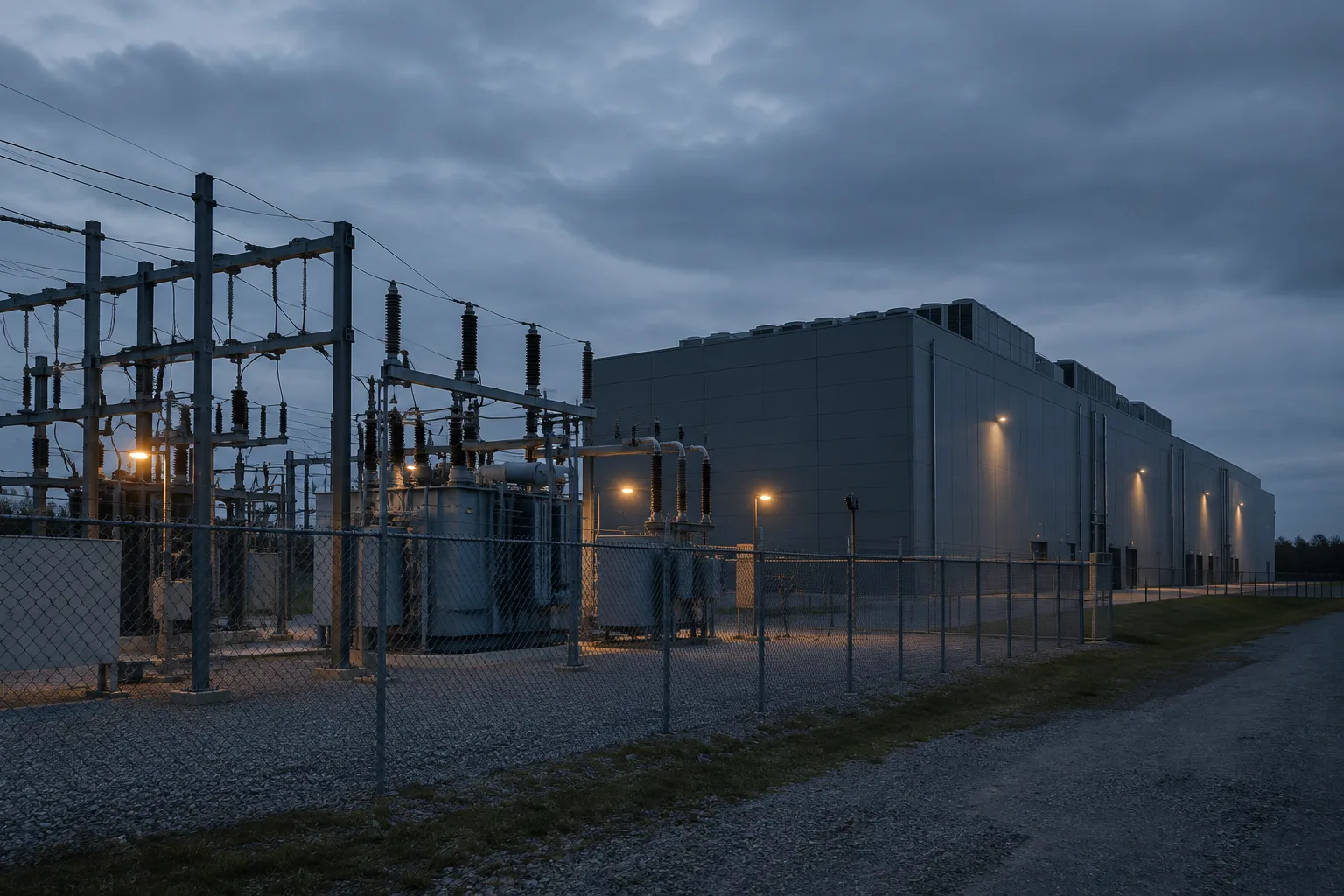
– These investments can attract private-sector interest—from data centers seeking cool climates and stable power, to logistics firms building Arctic-capable services—while also raising governance questions about environmental impact and long-term community benefit.
The industrial story here is not simply “more spending,” but different spending: toward systems and supply chains that can survive the Arctic’s operational tax.
The High North as a contested systems theater: spectrum warfare, mobility, and alliance cohesion
Strategically, the Arctic is increasingly defined by a tripolar dynamic: Russia’s Northern Fleet posture, China’s long-term ambitions framed through a “Polar Silk Road,” and NATO’s expanding northern footprint following Finland and Sweden’s accession. In that context, HIMARS training functions as deterrence by demonstration—showing that NATO can generate precision fires rapidly, even in winter darkness.
Operationally, the exercise highlights constraints that will shape future force design:
- Mobility is a capability, not a detail
– Snow chains and winterization are immediate fixes; longer-term solutions may include track modules, hybrid powertrains, and next-generation cold-weather tires.
– Firms able to retrofit commercial platforms for military mobility niches may find durable demand in Arctic-oriented modernization programs.
- Sustainment and survival training are mission-critical
– Whiteouts, isolation, and delayed resupply can degrade cohesion faster than adversary contact.
– Expect growing interest in on-site fuel production, mobile water purification, and AI-assisted medical diagnostics to reduce dependence on vulnerable supply corridors.
- Electromagnetic and navigation resilience will define credibility
– Snow-covered terrain and ionospheric effects can complicate sensing and communications; adversaries may exploit this with jamming, spoofing, and cyber-enabled disruption.
– NATO’s Arctic posture will increasingly depend on integrated spectrum management and alternative positioning methods alongside GPS.
What emerges from Setermoen is a clearer picture of Arctic deterrence as a systems problem: precision fires, logistics, mobility, and spectrum dominance must work together, or none of them work at all. HIMARS may be the visible instrument, but the deeper signal is NATO’s intent to make the High North a place where readiness is not seasonal—and where capability is credible precisely because it has been tested when conditions are at their worst.

 By
By
 By
By
 By
By



 By
By
 By
By