

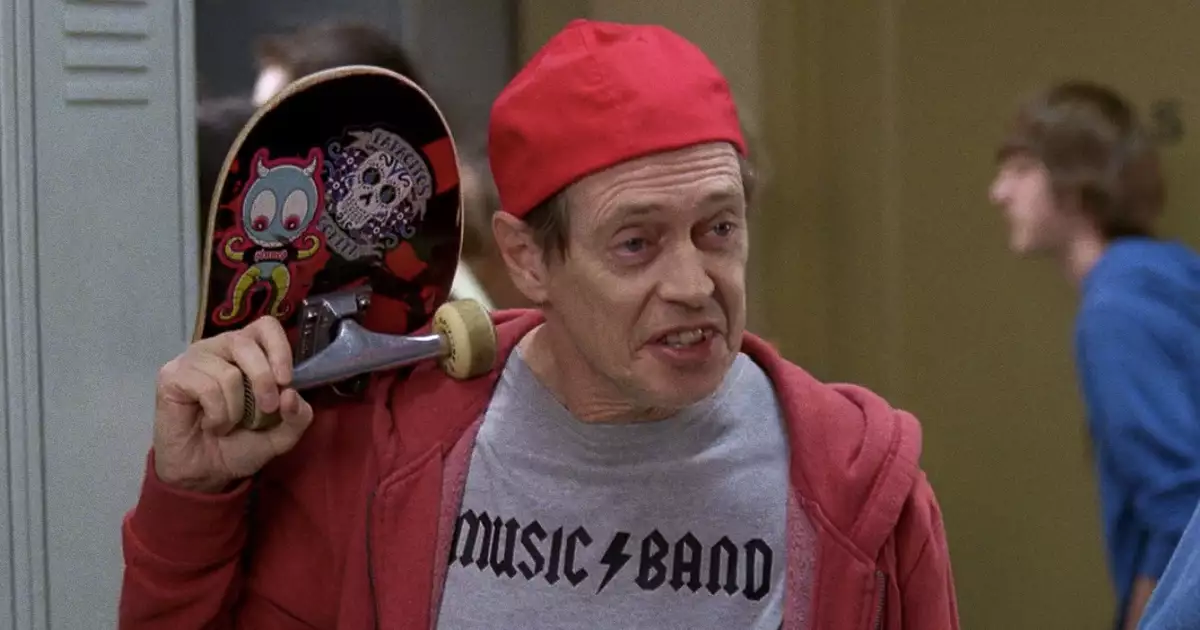

The Mirage of Adolescence: Hollywood’s Authenticity Deficit and Its Commercial Reckoning
A recent University of Ohio study has cast a revealing light on the cinematic adolescence that has long dominated the silver screen. Examining 53 mainstream teen films released between 2012 and 2021, researchers found a striking absence of the physiological realities of puberty—acne, body hair, voice changes—while idealized romance stories unfurl with near-mathematical certainty. With almost 80% of on-screen romantic pursuits culminating in success, the gap between Hollywood’s narrative and the lived experience of today’s teens has become a chasm. For Gen Z and the emerging Gen Alpha, who are both more vocal and more attuned to issues of authenticity, this disconnect is not merely artistic—it is existential.
The Authenticity Gap: Economic Risk and Technological Response
The stakes are not confined to the realm of social commentary. For the entertainment industry, the authenticity gap is rapidly becoming a commercial liability. Streaming giants, armed with granular telemetry, report that completion rates and subscriber retention soar when Gen Z viewers find content “relatable.” The digital town squares of TikTok, Snap, and Discord are awash with candid conversations about insecurity and self-image, exposing the stark contrast between real adolescent anxieties and their glossy cinematic counterparts.
This divergence is not lost on advertisers. As mental health becomes a core pillar of brand safety, films that perpetuate unrealistic body standards face not only cultural backlash but also tangible financial penalties: lower CPMs, reduced ad inventory, and even category exclusions. The warning is clear—ignore authenticity at your peril.
Yet, technology offers both a diagnosis and a cure. Machine learning-driven script analysis platforms such as Largo.ai and Cinelytic are now capable of flagging developmental inaccuracies or diversity blind spots before a single scene is shot. Studios that adopt these tools can mitigate costly reshoots and bolster narrative credibility. Meanwhile, synthetic-population modeling—once the preserve of epidemiologists—now enables predictive simulations of how various teen sub-groups will respond to plot elements. The result: a data-driven approach to narrative authenticity that promises both social resonance and commercial return.
Competitive Pressures and the New Playbook for Storytelling
The industry’s vanguard is already shifting. A24’s “Eighth Grade” and Netflix’s “Sex Education” have demonstrated that unvarnished, awkward, and deeply human portrayals of adolescence can yield both critical acclaim and robust streaming metrics. These successes have not gone unnoticed by legacy studios, who now face mounting pressure to recalibrate their story pipelines.
Short-form platforms like Wattpad and Webtoon are further disrupting the landscape, serving as organic incubators for authentic adolescent voices. Here, stories are not filtered through layers of executive oversight but rise directly from the lived experiences of digital natives. Major studios, recognizing the low-cost, high-engagement potential of such IP, are increasingly optioning these grassroots narratives.
To keep pace, studios are advised to institutionalize “authenticity audits,” embedding adolescent psychologists and social-science advisors in writers’ rooms. Serial formats that track the multi-year, often nonlinear journey of puberty and self-discovery can deepen viewer engagement and extend customer lifetime value. Recommendation engines, too, must evolve—factoring in psychological safety metrics, not just watch-time, to preempt regulatory scrutiny and foster trust among parents and guardians.
Capital, Policy, and the Future of Adolescent Storytelling
The macro-level catalysts shaping this evolution are formidable. Policy signals, such as advisories from the U.S. Surgeon General on youth mental health, hint at looming regulatory interventions that could reshape content distribution economics. In parallel, the capital markets are awakening to the reputational and financial risks: activist investors are linking youth-centric media to ESG benchmarks, with implications for studio valuations and access to funding.
Brands in health, wellness, and personal care are poised to sponsor realistic puberty storylines, recognizing the dual opportunity to align with social good and capture a hard-to-reach demographic. Accelerators focused on “authentic youth media” are attracting ESG capital, offering early movers both moral and financial upside.
The talent equation is also shifting. Writers and showrunners with lived Gen Z or intersectional experiences are commanding premium rates. Strategic recruitment from digital-native storytelling platforms is no longer optional. AI-assisted narrative tools, meanwhile, offer a bridge for mid-career writers seeking to update their understanding of contemporary adolescence without discarding their hard-won craft.
As the entertainment industry stands at this inflection point, the imperative is unmistakable: authenticity in adolescent storytelling is not a passing trend, but a defining criterion for relevance, resilience, and revenue in the next era of media. Studios that embrace this reality will not only capture the loyalty of a discerning generation but also fortify their place in an increasingly fragmented and competitive content economy.

 By
By
 By
By
 By
By
 By
By
 By
By
 By
By

 By
By







