
A New Era for Obesity Drugs: Federal Price Controls Meet Market Realities
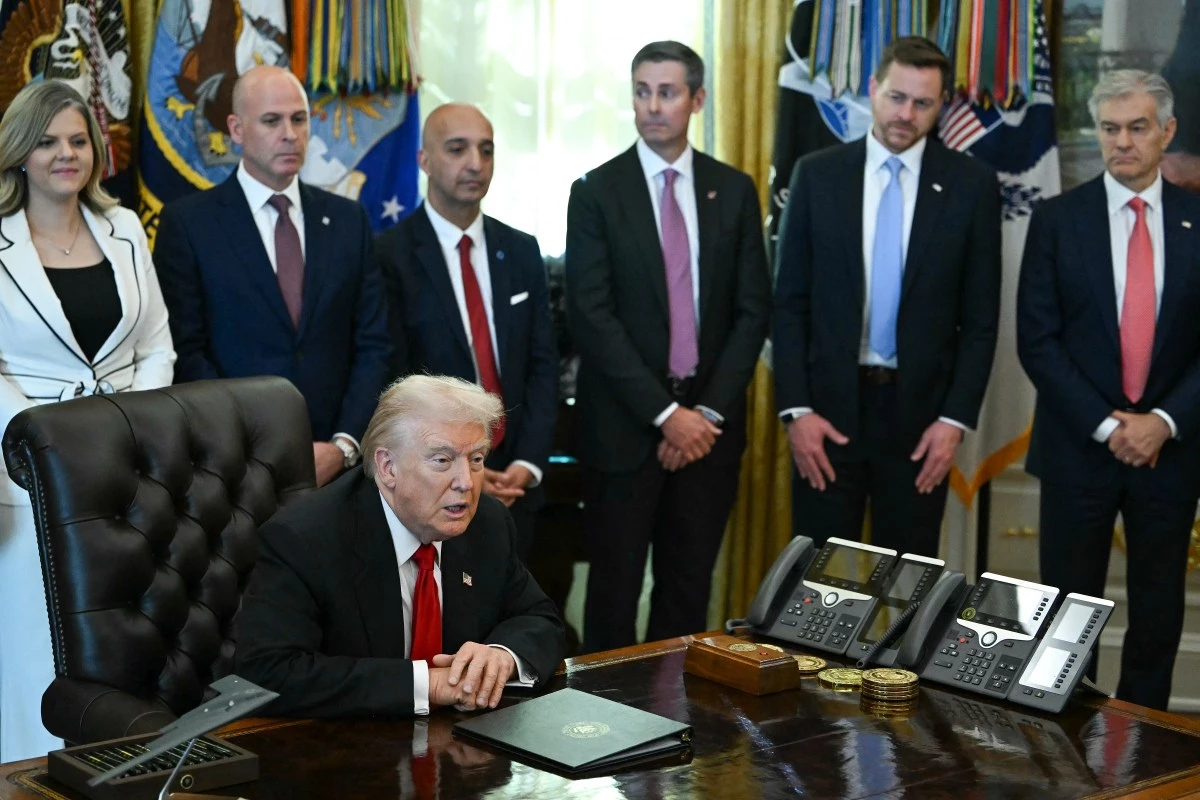
The White House’s recently unveiled pact with Eli Lilly and Novo Nordisk marks a watershed moment in the evolving landscape of pharmaceutical pricing and obesity care. By orchestrating government-brokered discounts on GLP-1-based anti-obesity drugs—namely Wegovy and Zepbound—for select Medicare and Medicaid beneficiaries, the administration signals both a tactical response to public outrage over drug costs and a deft maneuver in the chess game of election-year policy. The simultaneous launch of “TrumpRx.gov,” a federal online dispensary offering these therapies at $350 per month, adds a disruptive twist, bypassing entrenched pharmacy-benefit managers and reshaping the drug distribution ecosystem.
The Mechanics of the Deal: Price, Access, and Supply Chain Tensions
At its core, the agreement is a study in calculated limitation. Medicare will pay between $149 and $245 per monthly dose—an eye-catching 55–70% discount from current list prices, yet still a substantial premium over estimated production costs. Eligibility, however, is tightly circumscribed: only about 10% of Medicare’s 60 million enrollees are expected to qualify, based on strict BMI and comorbidity thresholds. The deal’s July 2026 go-live date, conveniently adjacent to the mid-term election cycle, leaves two years for both industry and policymakers to navigate the logistical and political shoals.
Manufacturers, for their part, have committed to expanding production capacity, but have stopped short of providing ironclad volume guarantees. This reticence reflects the enormous capital expenditures required to scale up peptide synthesis, manage fill-and-finish bottlenecks, and maintain the cold-chain logistics that GLP-1s demand. The timing of mandated price compression, therefore, collides with a period of heavy investment—raising the competitive bar for would-be biosimilar entrants and reinforcing the incumbency of established players.
Market Shockwaves: Disintermediation, Margin Compression, and Global Reverberations
The implications of this policy experiment ripple far beyond the immediate Medicare population. By setting a federal price floor, the administration introduces a dual-pricing regime reminiscent of the oncology market—one for government payers, another for commercial plans. Pharmacy-benefit managers (PBMs), long the gatekeepers of drug access and rebate flows, now face direct competition from a government-run portal. Should consumers gravitate to TrumpRx.gov, the precedent could accelerate margin compression across the broader formulary universe, forcing PBMs and insurers to reimagine their value propositions.
Self-insured employers, already under pressure to cover GLP-1s for workforce productivity and talent retention, will find themselves squeezed by reference-price expectations well below today’s negotiated rates. The federal price is poised to become a powerful anchor in 2025 benefit design cycles, even as actuaries scramble to quantify long-term savings from reduced obesity-related comorbidities.
Globally, the ramifications are equally profound. Many foreign health systems peg their reimbursement rates to U.S. federal prices. A Medicare floor at roughly $200 per month could echo through European and Asia-Pacific tenders, amplifying top-line risk for the likes of Novo Nordisk and Eli Lilly. For emerging competitors, the bar to entry rises—not only in terms of manufacturing scale but also in the ability to compete on price without the cushion of early-mover margins.
Strategic Realignments: Winners, Losers, and the Road Ahead
For the pharmaceutical giants, this is a defensive masterstroke. By conceding selective price cuts, they lock in first-mover advantage, limit political backlash, and erect formidable barriers to entry for latecomers. The prospect of government volume commitments—if formalized—could catalyze domestic manufacturing expansions, aligning with broader reshoring trends in biopharma and unlocking potential tax credits.
The digital health sector stands at an inflection point. A federally branded direct-to-consumer channel threatens the premium subscription models of telehealth providers, prompting a likely wave of ecosystem partnerships, mergers, or pivots toward differentiated patient-support services. Retail pharmacies, meanwhile, face a Mark Cuban Cost Plus-style disruption: low-margin, high-throughput dispensing that could erode their already thin profit pools unless they adapt quickly.
For policymakers, the calculus is fraught but potentially transformative. Obesity drives an estimated $170 billion in annual U.S. medical spending. CMS actuaries estimate that each sustained 15% weight reduction in a high-risk beneficiary could lower ten-year cardiovascular and diabetes expenditures by $11,000. The pilot thus tees up a classic fiscal trade-off: near-term outlays versus deferred savings, with the political optics of consumer-friendly drug pricing layered atop.
The GLP-1 discount initiative is no mere policy footnote. It is a harbinger of more assertive federal intervention in pharmaceutical pricing, a test case for direct distribution, and a catalyst for realignment across the healthcare value chain. For industry executives, payers, and investors, the message is clear: the ground beneath the business of obesity care is shifting, and those who fail to anticipate the new equilibrium risk being left behind.


 By
By
 By
By
 By
By
 By
By

 By
By