


A Surge in Resilience Tech: Weather, Wallets, and the New Home Infrastructure
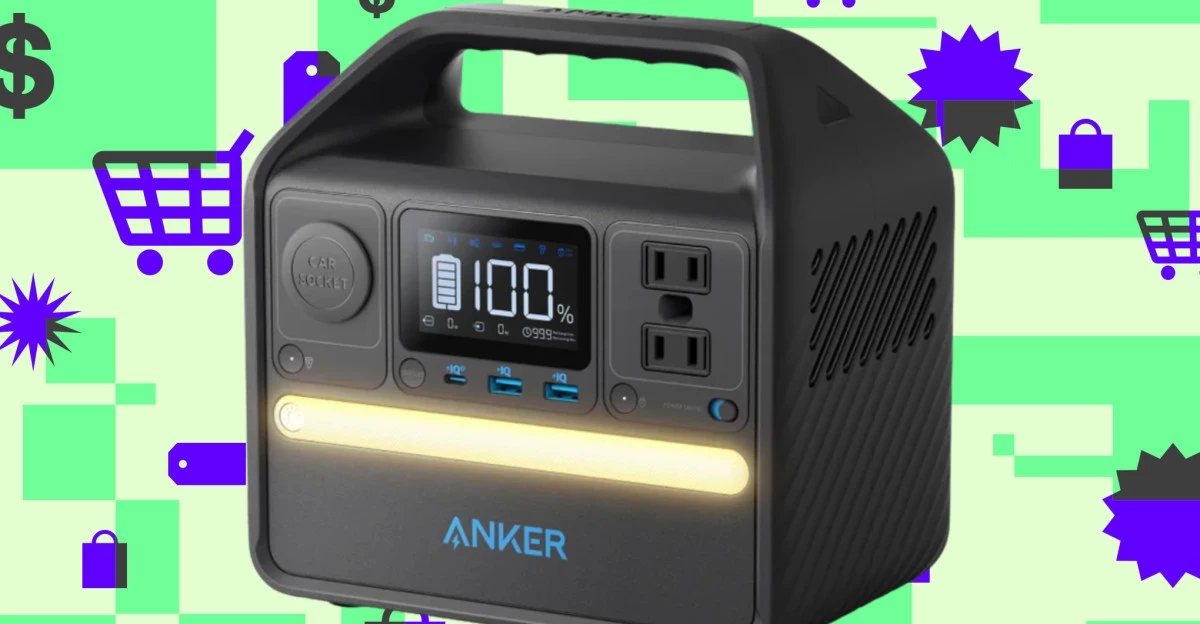
As storms and grid failures swept across North America this week, a curious market synchrony emerged: the Anker 521 PowerHouse, a compact yet robust portable power station, dropped to a near-record low of $129.99. The timing is no accident. Alongside this, Google’s 4K TV streamer—doubling as a smart-home hub—hit a new price floor, as did the PlayStation 5 remake of Silent Hill 2 and Garmin’s inReach Messenger, a satellite communicator now offered at $165.50. These deals, though disparate on the surface, collectively signal a deeper shift in consumer priorities: the pursuit of energy resilience, seamless digital entertainment, and unbroken connectivity, even as the world outside grows more unpredictable.
Battery Chemistry and the Rise of Nano-Grid Autonomy
Central to the Anker 521’s appeal is its 256 Wh capacity and the promise of a decade-long service life. This longevity hints at the migration of lithium-iron-phosphate (LFP) batteries—once the preserve of electric vehicles—into the realm of consumer electronics. LFP’s durability and thermal stability are now being harnessed for micro-scale, household “nano-grids,” foreshadowing a future where homes are stitched together by a web of long-life, decentralized energy nodes.
Solar-panel compatibility further elevates the 521 PowerHouse from mere gadget to infrastructural edge node. In a landscape where utilities are piloting Virtual Power Plants (VPPs), such devices are poised to become bidirectional participants in the energy ecosystem. The implication for manufacturers is clear: those who design for grid interactivity and prioritize LFP supply chains—especially in light of Inflation Reduction Act incentives—will be best positioned for the next wave of resilience-centric spending.
Protocol Convergence and the Entertainment Lifeline
Meanwhile, Google’s latest TV streamer is quietly redefining the living room. By supporting Matter and Thread, it transforms from a single-purpose entertainment device into a smart-home border router, collapsing the need for a proliferation of standalone hubs. This protocol convergence is more than a technical footnote; it’s a strategic maneuver that shifts value toward multi-role, over-the-air upgradable hardware, and away from the walled gardens of yesteryear.
At under $75, with Dolby Vision and Atmos support, the streamer also accelerates the democratization of premium AV features. For content providers and cloud gaming platforms, this is a clarion call: as consumers shelter in place, high-fidelity streaming becomes not just a luxury, but a psychological bulwark. The next generation of content delivery networks will need to model surge traffic against climate-driven outage forecasts, optimizing edge caching and CDN placement to meet demand when it matters most.
Satellite Messaging and the Recurring Revenue Frontier
Garmin’s inReach Messenger, leveraging Iridium’s low-Earth orbit (LEO) network, exemplifies the new era of satellite-enabled consumer IoT. In a market now animated by Apple’s NTN SOS and Qualcomm’s Snapdragon Satellite ambitions, a platform war is brewing over direct-to-device connectivity. The hardware sale is merely the opening gambit; the real prize is subscription lock-in, echoing patterns seen in fitness wearables and home security.
For telecommunications and satellite operators, the imperative is to accelerate NTN standardization and forge spectrum partnerships that embed their services in affordable consumer hardware. The data generated—battery discharge curves, SOS activations, environmental logs—has untapped value for insurers and utilities alike, offering new B2B revenue streams and risk analytics.
Strategic Crossroads: From Prepper Gear to Essential Infrastructure
What was once the domain of “prepper” subculture is now mainstream household infrastructure. The convergence of portable power, smart-home hubs, and satellite messengers addresses a universal pain point: resilient autonomy. There is a non-obvious opportunity for cross-category bundling—imagine an “All-Hazards Kit” co-marketed by the likes of Anker, Google, and Garmin, preempting moves by utilities or insurers to package similar offerings.
For retailers, the lesson is to pivot from seasonal to event-triggered promotions, dynamically surfacing resilience-oriented products as weather events unfold. Investors should watch LFP cell pricing, satellite spectrum leases, and Matter-certified silicon as leading indicators of margin expansion. And for policymakers, the challenge is to incentivize micro-storage adoption and standardize safety protocols before a patchwork of regulations takes root.
The boundary between household convenience and critical infrastructure is dissolving, redrawn by climate volatility, affordable edge compute, and the maturation of satellite networks. Those who recognize backup devices as a strategic beachhead—not mere accessories—will shape the next decade of consumer technology, where resilience is not just a feature, but the foundation.

 By
By
 By
By

 By
By
 By
By

 By
By








