
The Compression Paradox: Micro-Trips and the New Traveler Psyche
The modern traveler, armed with a checklist and a 72-hour window, is both the engine and the victim of the urban tourism boom. The recent, candid account of a whirlwind Seattle trip is more than a personal narrative—it is a microcosm of the mounting tension between the lure of “check-box” micro-trips and a growing, post-pandemic yearning for immersive, restorative journeys. As city breaks proliferate, so too does the friction: decision fatigue, crowd aversion, and the amplified impact of even minor planning missteps.
This friction is not merely anecdotal. The traveler’s regret at missing Mount Rainier, a natural wonder just beyond Seattle’s urban sprawl, encapsulates a broader shift: the rise of “nature reconciliation.” In the wake of global lockdowns, travelers increasingly seek to append wellness and outdoor experiences to their urban itineraries. The city is no longer the sole destination; it is a gateway to the restorative promise of nature, and the failure to orchestrate this hybrid experience is a missed commercial opportunity.
Orchestration Gaps and the Data-Driven Future of Urban Exploration
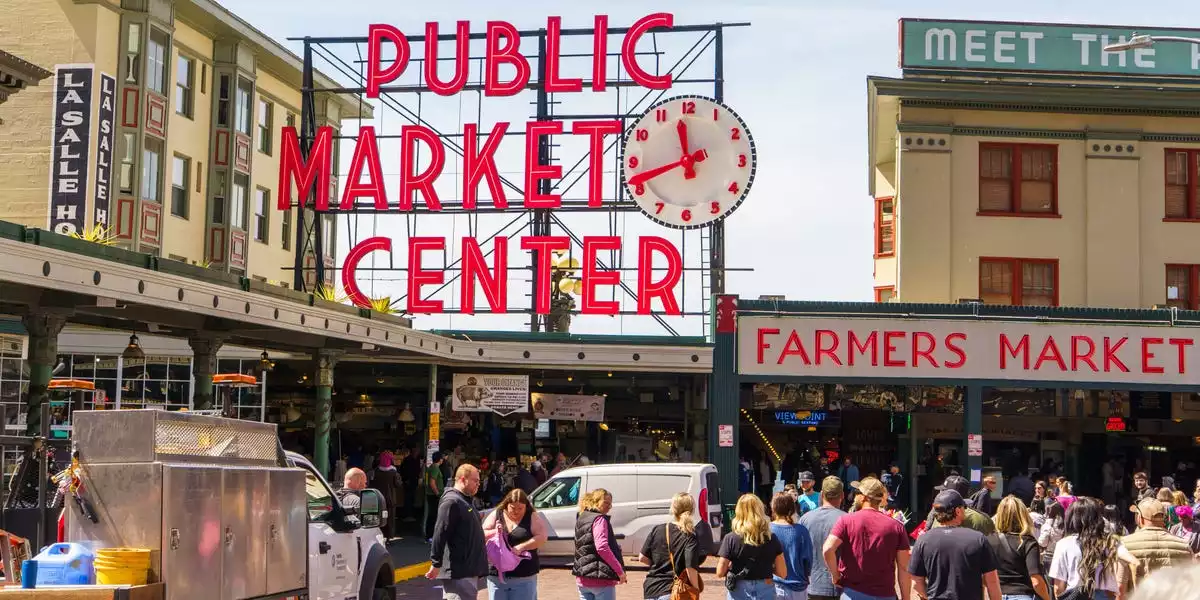
The trip’s most telling detail—a late discovery that Pike Place Market’s crowds peak after noon—illuminates a persistent orchestration gap. In an era of real-time data, the latency between information and action is both a pain point and a profit center. For travel platforms, OTAs, and smart-city startups, the ability to deliver timely, location-aware guidance is rapidly becoming a competitive necessity.
- Dynamic demand-shaping: Algorithms that steer visitors toward underutilized attractions or off-peak hours can both enhance traveler satisfaction and distribute economic benefits more equitably across the city.
- Generative AI itinerary engines: By layering historical booking data with real-time crowd telemetry, these systems can propose “city-plus-nature” bundles, nudging travelers toward longer, more fulfilling stays and reducing the churn that plagues short-term bookings.
This orchestration extends beyond attractions to the very fabric of the urban experience. The traveler’s struggle with a carry-on suitcase on Seattle’s hills is emblematic of the subtle, often overlooked frictions that shape every decision—from hotel selection to retail impulse buys. Here, the emergence of “luggage-as-a-service” models—app-based, same-day pick-up and drop-off—signals a new frontier in urban mobility, one that decouples physical burdens from experiential value.
Hospitality’s K-Shaped Recovery and the Rise of Experiential Differentiation
The stark contrast between a “serene” luxury hotel and previous generic lodgings is not just a matter of taste; it is a symptom of hospitality’s K-shaped recovery. Premium properties are capturing outsized growth in average daily rates (ADR), leveraging high-touch, curated experiences as the new battleground for loyalty and margin. For these brands, the future lies in:
- Curated adjacent experiences: Museum passes, guided hikes, and early breakfast services are no longer ancillary—they are core differentiators for the “nature reconciliation” traveler.
- Embedded partnerships: For midscale and budget properties, alliances with mobility providers or micro-fulfillment lockers can transform friction points into monetizable amenities, ensuring relevance in a market increasingly bifurcated by service quality.
This segmentation is mirrored in the strategic calculus of urban destination marketers, who are shifting from volume-driven key performance indicators to metrics that capture the “quality of stay.” By highlighting alternate time slots, lesser-known neighborhoods, and seamless day-trip rails, cities can both mitigate overtourism and retain a greater share of visitor spend.
The Experience Economy’s Next Phase: Strategic Whitespace and Technological Imperatives
The signals embedded in this single Seattle trip are instructive for decision-makers across the travel, hospitality, and mobility sectors:
- Compression vs. curation: The experiential gulf between rushed micro-trips and thoughtfully orchestrated, hybrid urban-nature stays is latent revenue waiting to be unlocked.
- Real-time orchestration: Crowd-aware, predictive guidance will soon be as fundamental as dynamic pricing, reshaping both satisfaction and spend.
- Physical pain points as opportunity: Luggage, elevation, and queues are not just annoyances—they are strategic whitespace for cross-industry innovation, from autonomous porters to dynamic visit permits.
- Premium on restoration and sustainability: Brands that engineer restorative, sustainable experiences will capture the loyalty—and wallets—of the next generation of travelers.
Fabled Sky Research and other forward-thinking entities recognize that the experience economy is entering a new phase—one defined by the seamless integration of data, mobility, and human-centric design. As generative AI planners, sensor-rich digital twins, and outcome-certified stays move from vision to reality, the winners will be those who see friction not as a cost, but as the raw material of competitive advantage. The next era of travel will be shaped not by the destinations themselves, but by the intelligence and empathy with which they are orchestrated.

 By
By
 By
By
 By
By

 By
By


 By
By