
The New Shape of North American Grocery: Health, Speed, and the Club-Store Revolution
A single dietitian’s Costco haul, meticulously detailed and widely shared, might seem like a slice of everyday life. Yet beneath its surface, this curated grocery list reveals a profound transformation underway in the $1.5 trillion North American food sector—a transformation propelled by the convergence of convenience nutrition, private-label ascendancy, and the quiet revolution in cold-chain logistics. The implications ripple from household kitchens to the boardrooms of food manufacturers, technology innovators, and investors seeking the next inflection point.
The Rise of Health-at-Speed: Redefining Convenience Nutrition
Today’s consumers—especially dual-income families juggling work and young children—are rewriting the rules of mealtime. The demand signal is clear: health cannot be sacrificed for speed, nor vice versa. The dietitian’s selection of 12 frozen and shelf-stable items—ranging from frittatas and lentils to hemp hearts and ready-to-blend smoothies—exemplifies this new paradigm. Each product boasts:
- Sub-15-minute preparation times
- Calorie-conscious portions (≤200 calories per serving for breakfast)
- Robust protein content (≥8g per serving)
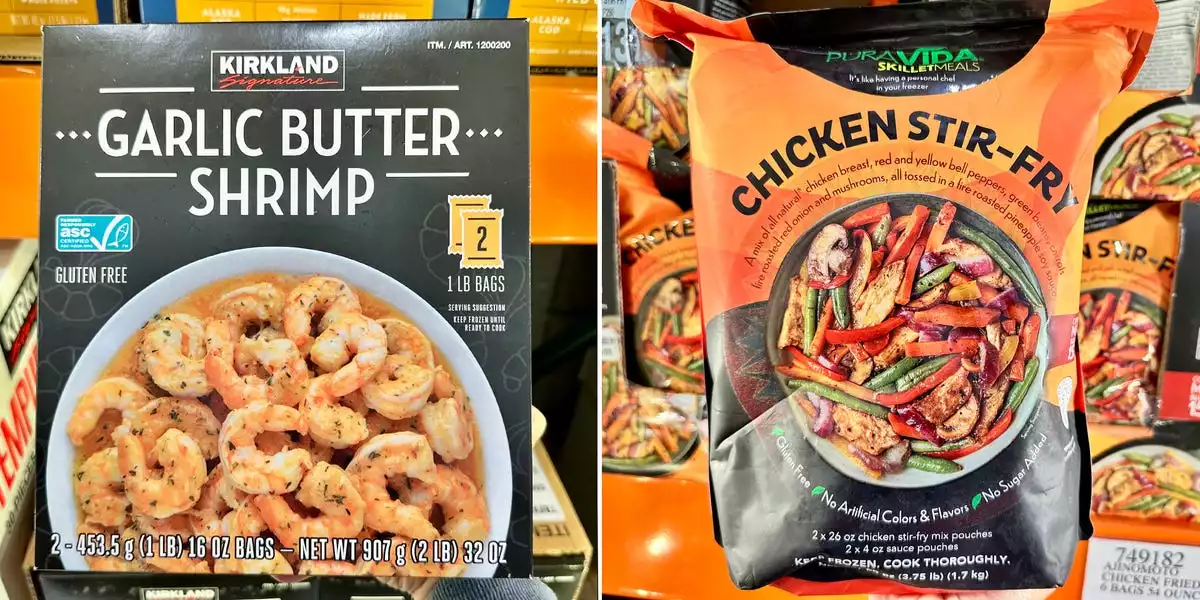
This is not the frozen food aisle of yesteryear, laden with sodium and preservatives. Instead, it is a showcase for “performance foods”—nutrient-dense, minimally processed, and engineered for rapid assembly. The popularity of plant-forward proteins such as lentils, quinoa blends, and hemp hearts signals a mainstream embrace of ingredients once relegated to specialty shops. Meanwhile, frozen fish and shrimp preserve animal-based variety, offering a blended protein portfolio that hedges against commodity price swings and dietary monotony.
Club-Store Curation and the Private-Label Power Shift
Costco’s outsized presence in this narrative is no accident. Ten of the twelve highlighted items are either exclusive to, or significantly more affordable at, the warehouse retailer. Kirkland Signature, Costco’s private-label juggernaut, emerges not merely as a value alternative but as a category tastemaker—its badge now synonymous with quality and innovation.
The club-store model confers structural advantages:
- Volume economics: Premium ingredients like miso-marinated black cod and garlic-butter shrimp are democratized, narrowing the gulf between “gourmet” and “mass market.”
- Exclusive pack sizes: These protect margins and foster shopper loyalty.
- Strategic leverage: National CPG brands face existential risk unless they deliver differentiated intellectual property—novel protein blends, functional benefits, or supply-chain agility that club stores cannot easily replicate.
This shift is compressing the traditional hierarchy of food brands, with private labels increasingly setting the pace for innovation and value.
Cold-Chain Innovation and the Digital Merchandising Frontier
The resurgence of frozen and shelf-stable formats is underpinned by a technological renaissance. Advances in flash-freezing, vacuum sealing, and high-pressure processing are extending shelf life and preserving nutrient density, allowing frozen aisles to encroach on territory once reserved for fresh produce. Behind the scenes, energy-efficient refrigeration, IoT-enabled temperature monitoring, and sophisticated route optimization are lowering the cost and complexity of cold-chain distribution.
Simultaneously, the digital layer is transforming how consumers discover and purchase these products. Influencer-driven content—such as the viral dietitian’s list—now functions as decentralized marketing, supplanting traditional ad spend. Retail media networks can algorithmically surface “expert baskets” in e-commerce channels, driving basket expansion and boosting advertising yield. Generative AI meal-planning tools, integrated into grocery apps, nudge shoppers toward health-centric, higher-margin multipacks, while click-and-collect freezer lockers and dynamically routed refrigerated delivery convert online traffic into real-world sales.
Strategic Implications: Navigating the New Food Value Chain
For stakeholders across the ecosystem, the path forward is both clear and urgent:
- Retailers should double down on private-label R&D, focusing on frozen, plant-forward SKUs with premium flavor profiles, and invest in last-mile cold-chain infrastructure.
- CPG manufacturers must embrace modular production and rapid flavor experimentation, leveraging on-pack QR codes to feed data lakes and personalize nutrition intelligence.
- Technology providers are poised to benefit from surging demand for cold-chain IoT, energy storage, and predictive maintenance solutions, as well as AI-powered meal-planning integrations.
- Investors would do well to monitor acquisition opportunities among clean-label frozen startups and track the penetration of functional seeds, grains, and legumes in mainstream packaged foods.
The coming year will test whether this “health-at-speed” movement remains a niche convenience play or scales into a durable shift, reshaping supply-side economics and consumer expectations alike. As the boundaries between nutrition, technology, and retail blur, the winners will be those who can translate data-driven insight into tangible, everyday value—one freezer aisle at a time.
 By
By
 By
By
 By
By
 By
By

 By
By
 By
By