
Costco’s Mediterranean Pivot: The Warehouse Giant as a Platform for Evidence-Based Nutrition
A quiet but profound transformation is underway in the fluorescent-lit aisles of Costco Wholesale. Once synonymous with bulk bargains and industrial-sized ketchup, the retailer now finds itself at the vanguard of a new, evidence-driven food revolution. Its curated selection of Mediterranean diet staples—anchored by low-mercury tuna, extra-virgin olive oil, and antioxidant-rich produce—signals a deliberate pivot toward the burgeoning “food-as-medicine” economy. This evolution is more than a merchandising footnote; it is a harbinger of how retail, healthcare, and technology are converging to reshape the grocery landscape.
The Mediterranean Assortment: Health, Value, and Trust at Scale
Costco’s latest assortment shift is anything but accidental. A dietitian’s recent endorsement of ten Mediterranean-aligned products, many under the Kirkland Signature label, underscores a strategic embrace of scientifically validated eating patterns. These products are not mere commodities; they are meticulously chosen for their alignment with the pillars of the Mediterranean diet—healthy fats, lean proteins, and phytonutrient density.
- Price–Value Edge: Costco’s scale and fixed-margin membership model allow it to democratize access to premium staples. Items like extra-virgin olive oil and flash-frozen organic fruit, typically reserved for the shelves of luxury grocers, are now within reach for millions of households.
- Quality & Transparency: Partnerships with brands like Safe Catch, which employs near-infrared spectroscopy to certify low mercury levels in tuna, and Pompeian, which offers traceable olive oil, reinforce Costco’s commitment to food safety and authenticity.
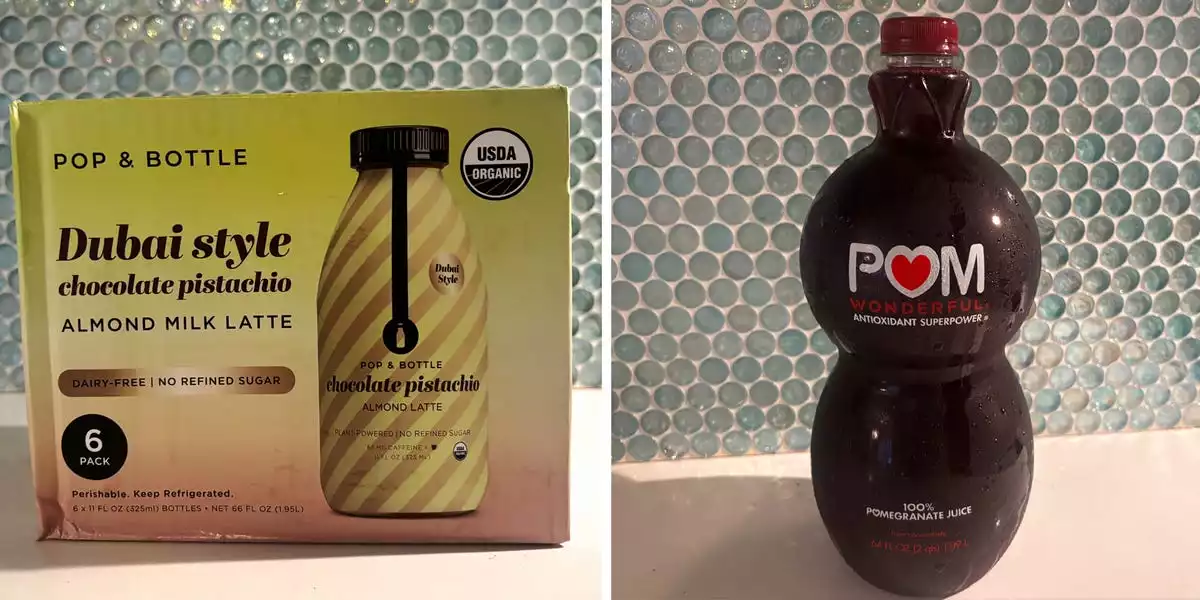
- Form-Factor Innovation: The rise of portion-controlled, microwave-ready formats—think Egg’Wich breakfast sandwiches and chocolate-pistachio lattes—caters to time-starved professionals seeking convenience without compromising on clean labels or nutrition.
This curation is not simply about responding to consumer demand; it is about anticipating the next frontier in grocery retail, where trust, transparency, and health outcomes become the new currencies of loyalty.
Technology and Data: The Engine Behind Personalized Nutrition
Beneath the surface, Costco’s Mediterranean pivot is powered by a suite of technological advancements that are quietly redefining supply chain management and customer engagement.
- Sensor-Driven Quality Assurance: Safe Catch’s use of spectroscopy and data-logging for mercury testing is emblematic of a broader shift toward precision validation in seafood and produce. These technologies are rapidly becoming table stakes as consumers equate safety with health.
- Cold-Chain Optimization: Individually quick frozen (IQF) technology preserves nutrient density in produce, reducing waste and shrinkage—an especially critical advantage in today’s inflationary environment.
- Data Analytics and Personalization: Costco’s vast repository of member purchase histories is a goldmine for personalized nutrition. The potential for algorithmic meal-planning apps that auto-populate carts with Mediterranean or DASH-compatible SKUs is palpable, promising to deepen membership stickiness and unlock new health-adjacent revenue streams.
The implications are far-reaching. As regulatory bodies like the FDA move toward stricter front-of-pack disclosures and “healthy” label revisions, retailers with robust traceability and nutrient density curation are poised to capture disproportionate share.
Economic and Strategic Ripples: Redrawing the Competitive Map
Costco’s foray into evidence-based nutrition is reverberating across the grocery and healthcare sectors, redrawing competitive boundaries and creating new opportunities for value creation.
- Inflationary Trade-Offs: As shoppers trade down on discretionary goods but trade up on health-centric food, Costco’s low-markup model compresses the “wellness premium,” siphoning share from specialty grocers and direct-to-consumer upstarts.
- Private-Label Power: The Kirkland brand, now synonymous with both value and quality, is capturing supplier margin while offering products that rival luxury imports. Expect further SKU rationalization around medically endorsed diets, from Flexitarian to DASH.
- Supply-Side Resilience: Climate volatility in traditional olive oil regions has tightened supply, but Costco’s diversified sourcing—spanning Mediterranean and South American groves—reinforces its reliability narrative.
- Retail-Health Convergence: By embedding Mediterranean staples in bulk baskets, Costco is inching toward a preventive-health positioning that appeals to insurers and self-insured employers seeking scalable dietary interventions.
For investors, the message is clear: Costco’s health-adjacency optionality—spanning wellness services, nutraceuticals, and longevity products—warrants a fresh look at its long-term growth prospects. For CPG and food-tech suppliers, the mandate is to deliver quantified nutrition claims and climate-resilient sourcing to secure coveted shelf space.
As the boundaries between retail, healthcare, and technology continue to blur, Costco’s Mediterranean evolution offers a compelling glimpse into the future of grocery—a future where evidence-based nutrition, powered by data and trust, becomes the ultimate competitive moat. In this new landscape, the warehouse club is not just a place to buy in bulk; it is a platform for health, resilience, and innovation.

 By
By
 By
By
 By
By
 By
By

 By
By