
Arizona’s renter-friendly surge signals a broader rebalancing of U.S. housing demand
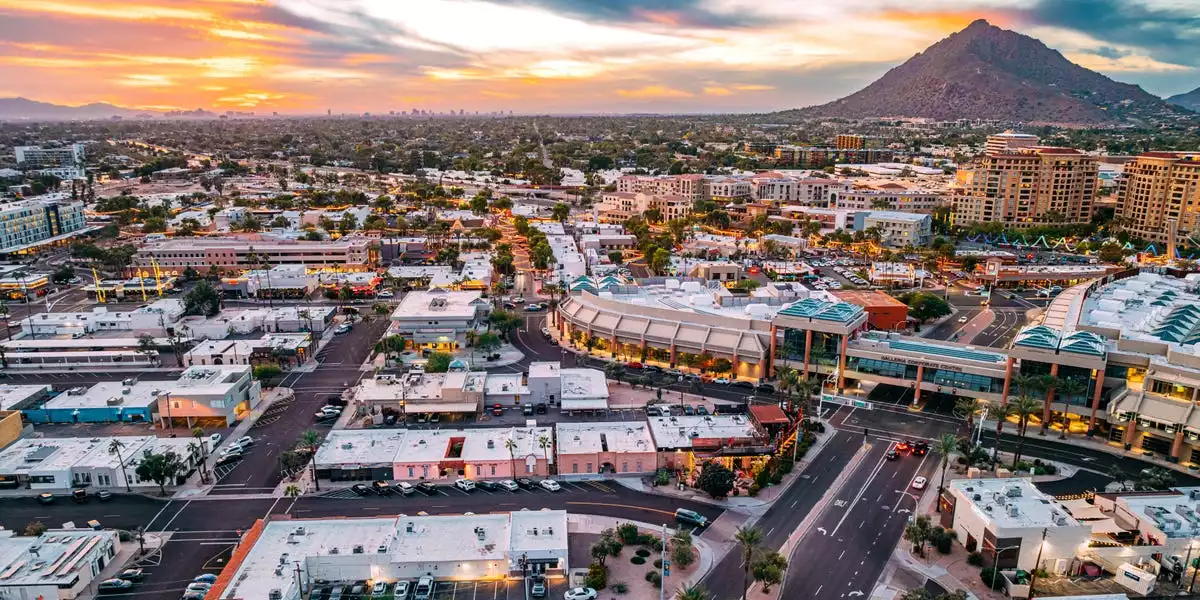
WalletHub’s assessment of nearly 200 U.S. cities places Chandler, Gilbert, Scottsdale, and other Arizona communities among the most favorable markets for renters—an outcome that reads less like a one-off ranking and more like a datapoint in a national reallocation of housing demand. The study’s framework—21 metrics spanning rental affordability and quality of life—captures what many households have been experiencing in real time: a widening gap between where people can afford to live and where legacy job centers have historically been located.
A standout detail is the affordability profile in top-ranked cities, where a majority of renters spend under ~22% of income on housing. That threshold matters because it implies discretionary capacity—money left for transportation, childcare, healthcare, and savings—at a moment when inflation has pressured household budgets. At the other end of the list, cities such as Shreveport, Louisiana, and Huntington, West Virginia, joined by Newark, New Jersey, and New Orleans, Louisiana, underscore that “low cost” on paper does not automatically translate into a strong renter market if quality-of-life indicators, economic momentum, or housing stock dynamics lag.
For business and technology leaders, the ranking is best read as a signal of labor mobility and operating-cost arbitrage. When renters can secure livable housing without overextending, regions become more competitive not only for residents but also for employers seeking stable talent pipelines.
The economic mechanics: remote work, high rates, and the rise of secondary metros
Arizona’s prominence aligns with two reinforcing macro forces: the decoupling of work from place and the interest-rate-driven reset of homeownership feasibility.
- Remote and hybrid work migration: As more roles become location-flexible, households can prioritize climate, amenities, school quality, and commute optionality. Sun Belt metros—especially amenitized suburbs—benefit from this preference shift, offering a lifestyle bundle that many coastal markets can’t match at comparable price points.
- Mortgage-rate pressure and the “renting longer” effect: Elevated borrowing costs have raised the bar for first-time buyers and discouraged move-up purchases, keeping more households in rentals. That demand concentrates in high-opportunity regions, but it also redistributes away from the most expensive coastal hubs toward secondary markets where rents and new supply can still find equilibrium.
This is where Arizona’s policy and development posture becomes material. Streamlined permitting, competitive property-tax structures, and land-use flexibility can shorten development timelines and expand multifamily supply—an advantage when demand is rising. In practical terms, these conditions can help prevent the kind of chronic undersupply that has pushed rents higher in many “gateway” cities.
Technology and infrastructure are quietly reshaping what “quality of life” means for renters
WalletHub’s quality-of-life dimension implicitly captures a modern reality: renters increasingly evaluate cities through a technology lens. In fast-growing Arizona markets, digital connectivity is no longer a perk—it is core infrastructure.
Several technology-linked factors are converging:
- Broadband and 5G as essential amenities: For remote and hybrid workers, stable, low-latency internet functions like electricity or water. Cities with strong connectivity effectively expand the addressable geography for knowledge work.
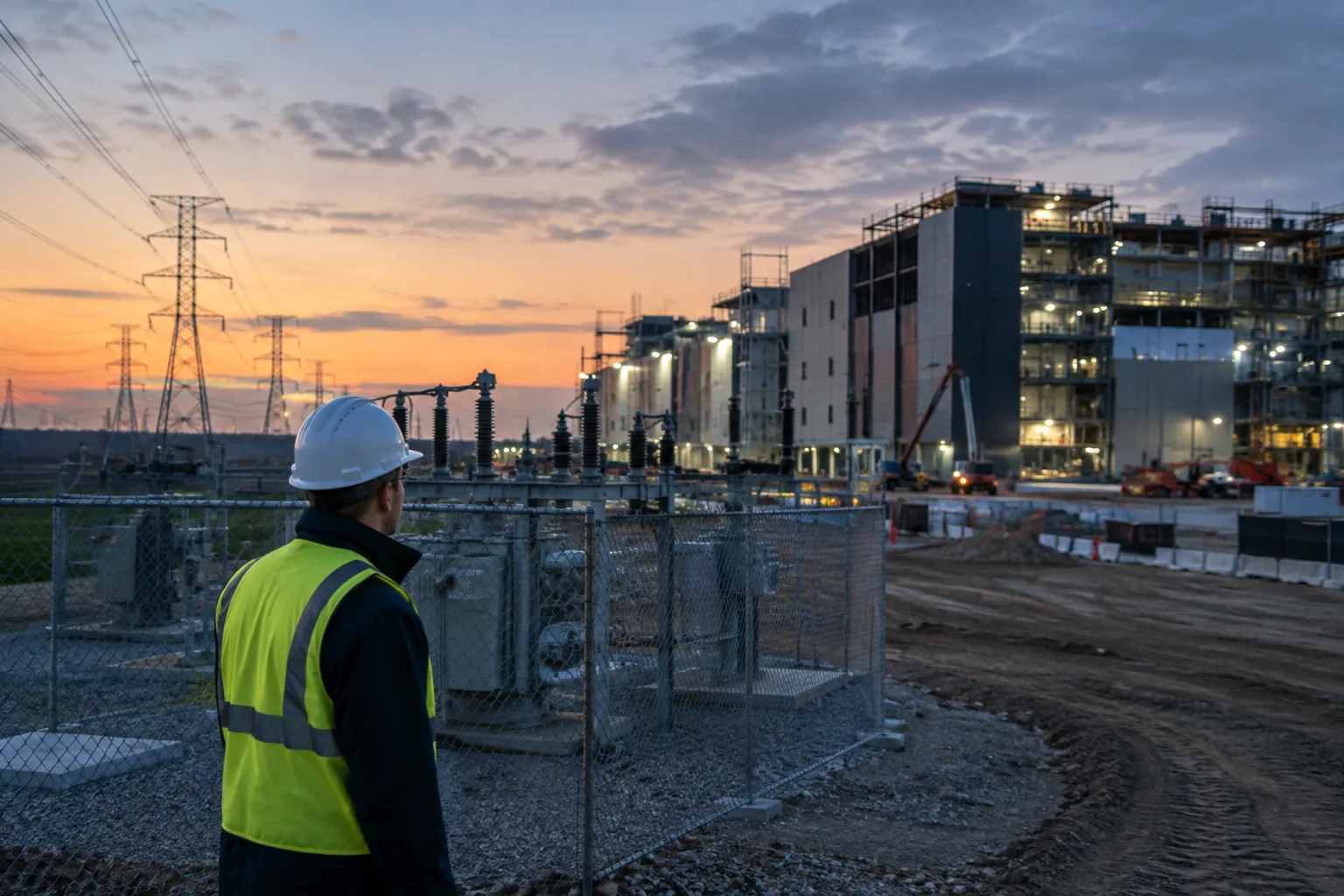
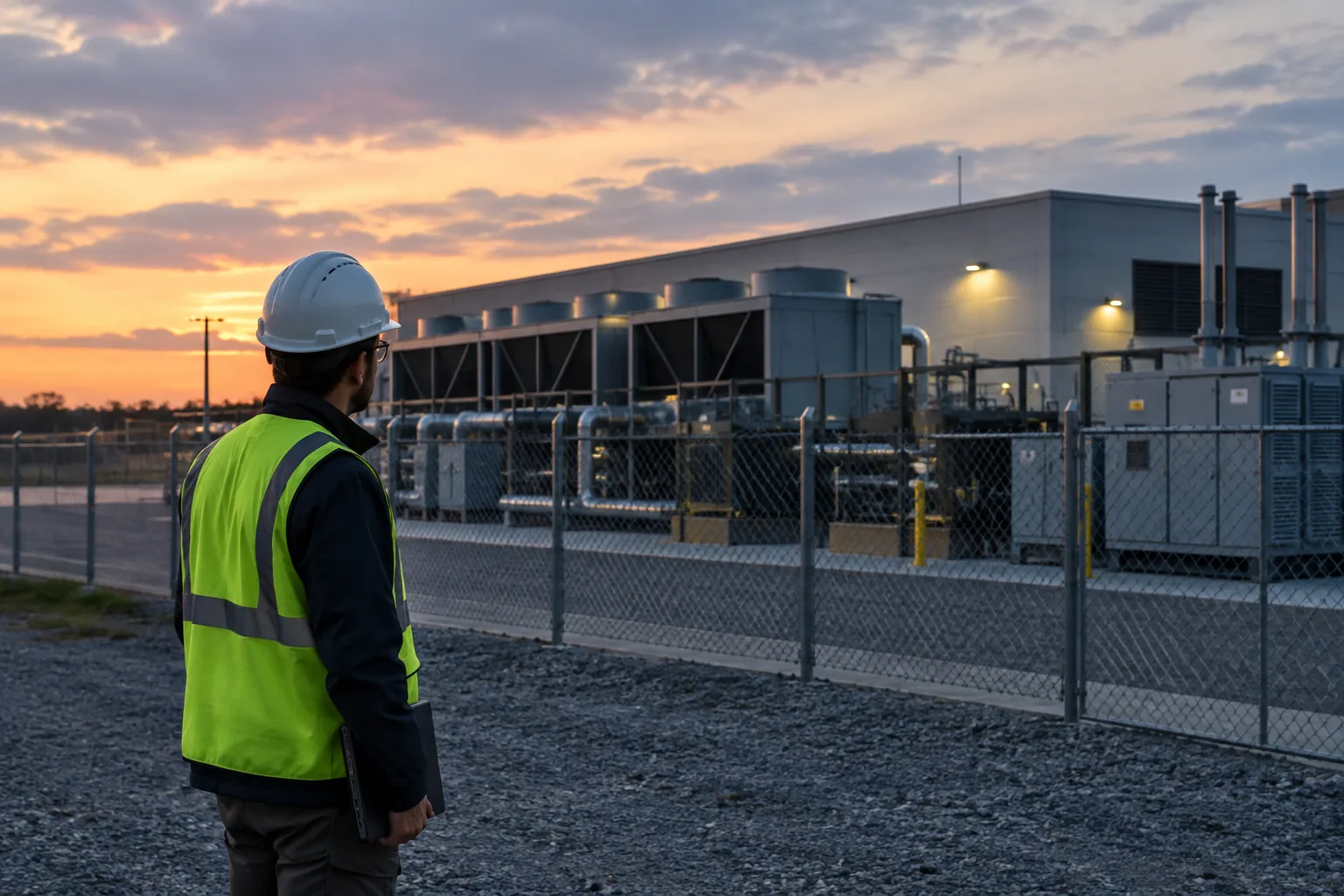
- Data centers and edge computing clusters: As hyperscalers diversify beyond Northern Virginia and Silicon Valley, Sun Belt regions can offer power-cost advantages, land availability, and regulatory clarity. The downstream effect is job creation—construction, facilities operations, network engineering, security, and vendor ecosystems—that supports local rental demand.
- PropTech’s expanding role in multifamily operations: AI-assisted tenant screening, digital leasing, and building automation can improve operational efficiency and resident experience. Yet these tools also raise governance questions around transparency, bias mitigation, and fair-housing compliance—issues that cities and operators will increasingly need to address as adoption scales.
In this context, Arizona’s renter appeal is not only about price. It is about the ability to live a digitally enabled life—work, services, mobility, and community—without the cost structure of legacy hubs.
Strategic implications for executives, investors, and city leaders watching the Sun Belt
The ranking’s most actionable value lies in what it suggests about next-step decisions across corporate strategy, capital allocation, and municipal planning.
For corporate executives and HR leaders, Arizona’s high placement strengthens the case for distributed workforce design:
- Build relocation and retention programs in renter-friendly metros where compensation can stretch further without sacrificing amenities.
- Pilot micro-hubs or satellite offices in cities like Chandler or Scottsdale, using flexible workspace providers to test productivity, hiring velocity, and employee satisfaction before committing to long leases.
For real estate investors and developers, the opportunity is nuanced: strong demand is attractive, but durability depends on supply discipline and infrastructure scaling.
- Target multifamily and mixed-use projects that can access tax-advantaged structures (including opportunity-zone strategies where applicable) while meeting institutional expectations for sustainability and resilience.
- Differentiate with embedded building technology—IoT energy management, smart access, and app-based resident services—that can support retention and justify premiums, particularly as new supply competes for the same renter cohorts.
For municipal leaders and policymakers, the central challenge is preventing success from eroding livability:
- Pair growth with water management, heat mitigation, and EV charging buildout, ensuring that population inflows do not outpace climate and utility resilience.
- Invest in workforce development partnerships with universities and employers tied to data centers, fintech, and PropTech, so that economic gains translate into broad-based mobility rather than isolated pockets of prosperity.
WalletHub’s renter-market rankings, viewed through a business-and-technology lens, point to a future where affordability, digital infrastructure, and climate-adaptive planning increasingly define competitive cities. Arizona’s leading position reflects not just a momentary advantage, but a blueprint—one that will be tested by how well these markets manage scale, equity, and resilience as the next wave of renters arrives.

 By
By
 By
By



 By
By
 By
By