
The Geography of Rent: Where $1,500 Goes Furthest—and Why That’s Changing
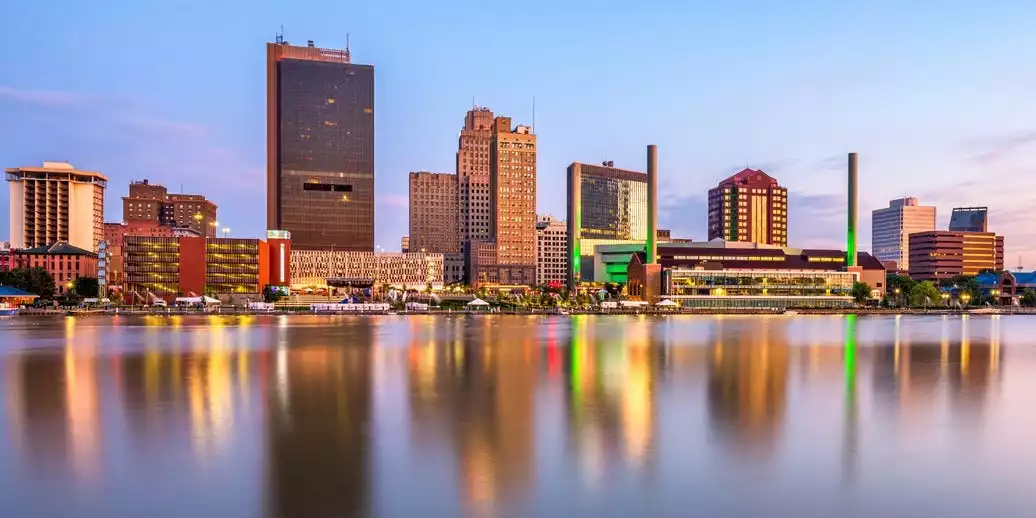
The American rental market, long a barometer of economic mobility and regional vitality, is undergoing a profound recalibration. A recent RentCafe analysis exposes a stark spatial divide: a fixed rent of $1,500 per month unlocks sprawling, 1,200-square-foot apartments in cities like Wichita, Toledo, and Oklahoma City, but barely covers a micro-flat in New York, Boston, or San Francisco. Yet beneath this surface-level disparity, deeper tectonic shifts are reshaping where—and how—value is created in the rental economy.
The Erosion of Regional Cost Advantages
Historically, the South and Midwest have beckoned with their affordability, offering renters and investors alike a respite from the fevered pricing of coastal hubs. But the old calculus is fraying. Insurance premiums in hurricane- and tornado-prone markets are climbing at double-digit rates, often outpacing rent growth itself. Landlords in the Southeast and Texas, once flush with margin, now confront a squeeze as property insurance costs devour profits and force rents upward.
Meanwhile, the Midwest is experiencing its own transformation. The post-pandemic reshuffling of supply chains has returned manufacturing and logistics to the region, boosting local wages and consumption. But this prosperity comes at a cost: construction expenses are rising as skilled labor becomes scarce, eroding the once yawning gap between heartland and coastal rents.
The interplay of these forces is narrowing regional differentials. The Sun Belt’s traditional cost edge is under siege—not only from insurance inflation but also from institutional capital flows. Private equity, ever attuned to risk and yield, is quietly shifting its focus from the saturated Sun Belt to the more stable, less climate-exposed Midwest. Here, land remains affordable, zoning is more accommodating, and climate risk is relatively muted.
Data, Technology, and the New Rental Arbitrage
The competitive landscape is no longer defined solely by geography but by the sophistication with which market participants wield data. PropTech platforms, exemplified by RentCafe’s granular square-foot-per-dollar metrics, are now indispensable tools for institutional investors and developers. At the zip-code level, these datasets enable rapid identification of mispriced submarkets—opportunities that traditional real estate investment trusts might overlook.
Artificial intelligence is amplifying this edge. Predictive vacancy models, powered by machine learning, allow firms to anticipate shifts in demand and dynamically adjust pricing. The result is a rental market that is not merely reactive, but increasingly anticipatory—where value is extracted through information asymmetry as much as location.
Insurance technology is also entering the fray. As premiums surge, landlords and tenants alike are seeking relief through satellite-enabled risk scoring and parametric insurance products, which can be embedded directly into digital rental agreements. These innovations promise not only to mitigate risk but to preserve affordability in markets where climate volatility threatens to tip the balance.
Strategic Realignment: Winners, Losers, and the Road Ahead
The implications for stakeholders are profound:
- Developers must recalibrate their financial models, baking in the volatility of insurance costs and hedging exposure to construction inputs like timber and steel—especially in the Midwest, where build-to-rent pipelines are expanding.
- Institutional investors are repositioning, treating Sun Belt assets as mature yield plays and pivoting capital toward under-supplied Midwestern metros before cap-rate compression erodes returns.
- Municipal leaders have an opening: by accelerating mixed-use zoning and investing in high-speed fiber, they can lure tech firms and remote workers priced out of coastal markets.
- Insurers are deploying sensor-based loss-prevention programs, aiming to reduce claims and offer premium flexibility that could help preserve affordability.
The persistence of hybrid and remote work further complicates the map. Employers, seeking cost-effective “talent catchment areas,” are increasingly drawn to regions where generous apartment sizes remain accessible under $1,200 per month—a trend that could reinforce the Midwest’s newfound appeal.
The Next Chapter: Climate, Capital, and the Repricing of Risk
Should the Federal Reserve maintain its restrictive stance through 2024, renting will remain the default for many households, with tenants weighing not just price, but unit size and climate resilience. By 2025, expect to see:
- Parity in square-foot-per-dollar value between lower-risk Midwest markets and select Southern metros as insurance costs converge.
- Rising institutional interest in micro-distribution centers and data-center conversions in central U.S. cities, fueling local wage and rent growth.
- PropTech platforms integrating climate-adjusted rent indices, enabling leases that dynamically share risk between landlords and tenants.
The competitive advantage in this evolving landscape will accrue to those who blend granular data, disciplined capital, and climate-adaptive strategies. For executives and investors, the message is clear: today’s disparities in rent-per-square-foot are fleeting. The market is repricing risk in real time, and those who move first—armed with insight and agility—will shape the next era of American housing.

 By
By
 By
By


 By
By
 By
By
 By
By
 By
By