
When a Cloned Bulldog Becomes a Bellwether: Pet Cloning and the Synthetic Biology Gold Rush
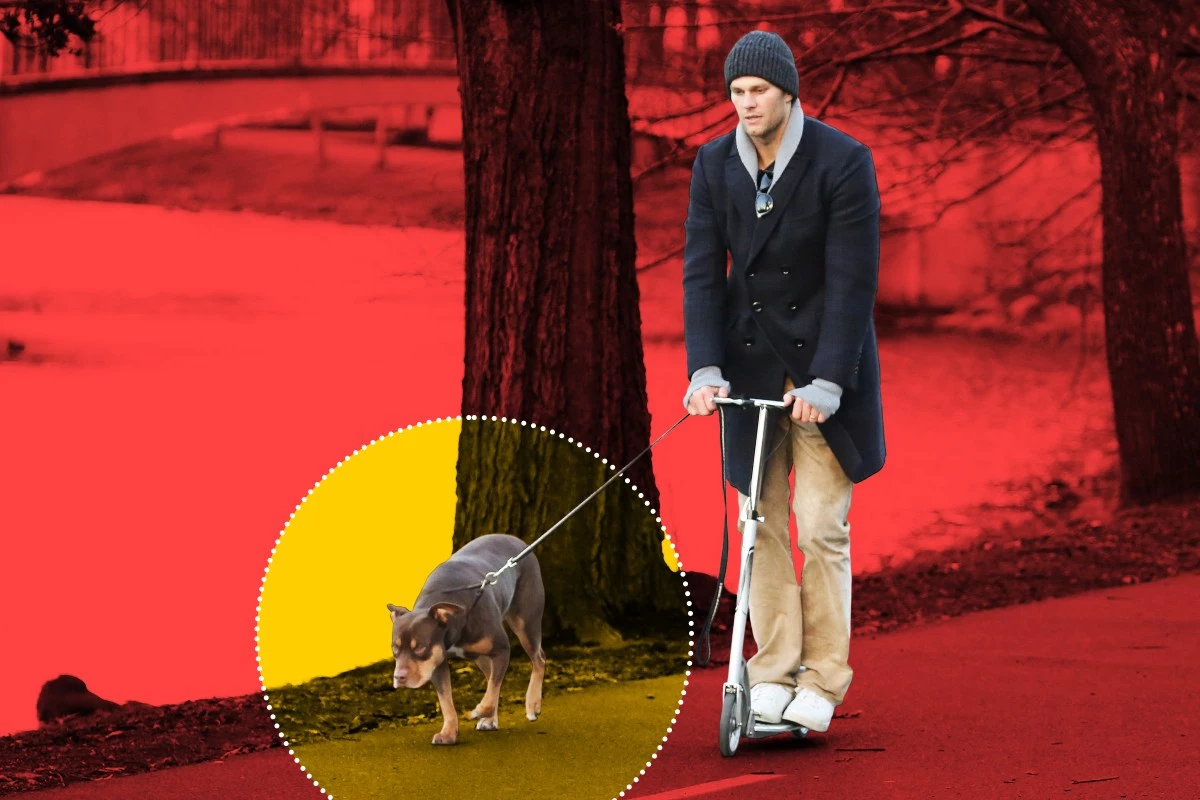
Tom Brady’s recent revelation—his new dog Junie is a genetic clone of his late companion Lua—might sound like a sentimental flourish from a celebrity with means. But beneath the surface, it signals a tectonic shift in the business and technology of synthetic biology, where the boundaries between personal affection, commercial ambition, and scientific audacity are dissolving. The story’s true protagonists are not just Brady and his bulldog, but the emergent platforms and capital flows that are redefining what’s possible in animal genetics.
The Colossal-ViaGen Merger: A Strategic Play for Platform Dominance
Colossal Biosciences, the Dallas-based “de-extinction” startup with ambitions as grand as resurrecting the woolly mammoth, has acquired ViaGen Pets & Equine, the commercial leader in pet cloning. This is not merely a consolidation of market share; it’s a calculated move to fuse consumer-facing cash flows with the technical infrastructure required for far more audacious projects.
Key strategic motives behind the acquisition:
- Revenue Diversification: Pet cloning, once the domain of science fiction, is now a high-margin, emotionally charged service. By absorbing ViaGen’s established business, Colossal gains a reliable income stream to offset the capital-intensive, speculative nature of de-extinction R&D.
- Technical Synergy: Every cloned animal is a data point—genome sequenced, gestational journey logged, outcomes meticulously tracked. The expertise in somatic cell nuclear transfer (SCNT), refined through thousands of pets and livestock, becomes a transferable asset for more complex species resurrection.
- Market Signaling: Celebrity clients like Brady do more than generate headlines; they normalize and legitimize the technology, lowering reputational barriers and accelerating adoption among affluent, tech-forward consumers.
Data, Networks, and the New Genomic Economy
Pet cloning is not just a business of nostalgia—it’s a data engine. Each successful clone enriches a proprietary database, capturing not only genetic blueprints but also metadata on gestational surrogacy, health outcomes, and phenotypic expression. These datasets, meticulously curated and ethically governed, are poised to become the backbone of a new genomic economy.
Potential value streams include:
- Regenerative Medicine: Insights from animal cloning could inform tissue engineering, organ regeneration, and even xenotransplantation.
- Synthetic Protein Design: Understanding how genes translate to traits in cloned animals may unlock new approaches to designing proteins for pharmaceuticals or industrial enzymes.
- AI-Driven Optimization: Machine learning models trained on this data could automate embryo selection, predict gestational success, and reduce failure rates—a convergence of wet-lab biology and computational prowess.
The network effects are profound: as the dataset grows, so does the predictive power and commercial potential, creating a virtuous cycle that entrenches early movers.
Navigating the Regulatory and Ethical Frontier
The regulatory landscape remains a patchwork, with the U.S. offering limited oversight, the EU adopting a precautionary stance, and China aggressively promoting livestock cloning for food security. This divergence complicates global rollout strategies and heightens the stakes for first-movers.
Key challenges and opportunities:
- Reputational Risk: The specter of animal welfare concerns and “narcissistic tech” criticism looms large, particularly as pet cloning becomes more visible. A single high-profile failure could catalyze regulatory crackdowns.
- ESG Capital Flows: If de-extinction and cloning platforms can convincingly link their work to biodiversity and climate mitigation, they may unlock new pools of sustainability-linked capital. Transparent, third-party-audited impact metrics will be essential to court institutional investors.
- Intellectual Property: Patents on extinct-species genomes will face scrutiny under international frameworks like the Nagoya Protocol, especially when indigenous genetic resources are involved.
Strategic Imperatives for Industry Leaders
The convergence of pet cloning, de-extinction, and synthetic biology is rapidly redrawing the competitive landscape. For executives in veterinary services, pet insurance, and premium pet products, the moment to act is now.
- Portfolio Expansion: Strategic alliances or minority stakes in cloning ventures could enable bundled offerings—think “Clone Assurance” or “Lifetime Genetic Backup”—that deepen customer loyalty.
- Data Governance: Robust frameworks for ethical data commercialization will be a source of durable competitive advantage as regulators tighten controls.
- Talent Acquisition: Cross-disciplinary hiring—from reproductive medicine to AI-driven cell modeling—will be critical to advancing the field and automating key bottlenecks.
What began as a personal story of loss and longing—a football legend’s quest to bring back a beloved pet—has become a harbinger for the future of synthetic biology. The consolidation of Colossal and ViaGen marks the maturation of a sector where consumer demand, technical prowess, and capital markets are converging at unprecedented speed. As the animal-cloning value chain evolves, the stakes—for business, for science, and for society—have never been higher.

 By
By

 By
By
 By
By

 By
By
 By
By
 By
By