
The Macaroni-and-Cheese Moment: Decoding the New Home Cooking Economy
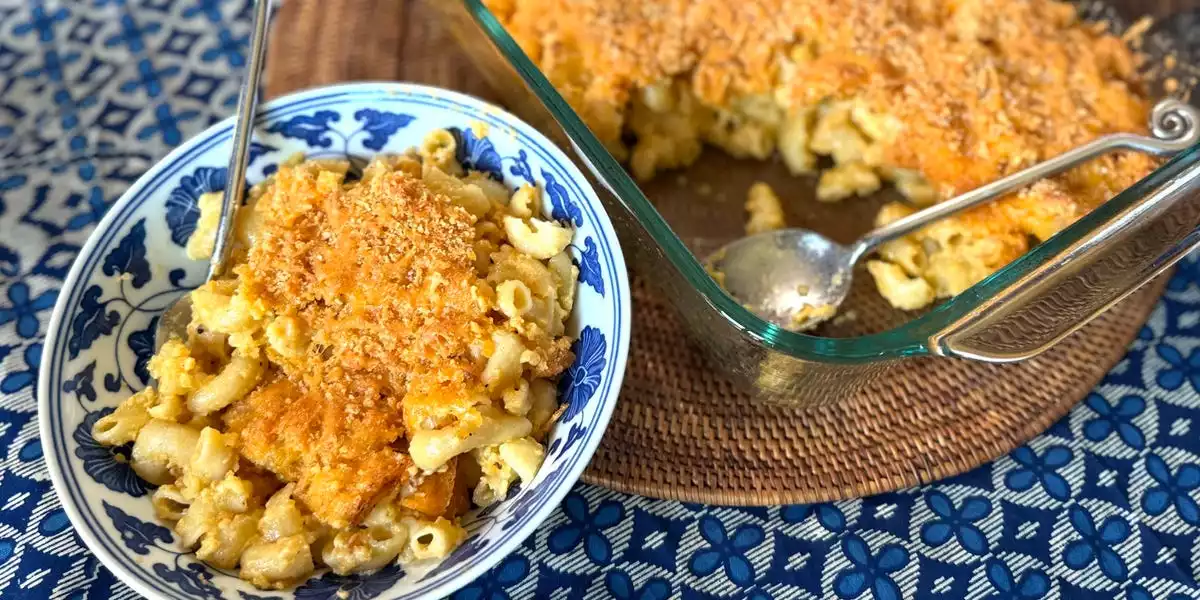
A vignette of a home cook, poised over a bubbling pot of Ree Drummond’s “best-ever” macaroni and cheese, reads as a tableau of comfort—a parent’s memory, a child’s delight, and the alchemy of turning pantry staples into restaurant-quality fare. Yet, beneath this sentimental surface, the scene is a prism refracting the deeper forces shaping today’s food economy. Nostalgia, influencer authority, and the frictionless interplay of digital and physical retail are quietly orchestrating a new era of consumer behavior—one where a breadcrumb topping is as much a data point as a culinary flourish.
Inflation, Influence, and the New Kitchen Calculus
The backdrop to this home-cooked renaissance is unmistakably economic. As the U.S. Bureau of Labor Statistics reports, grocery prices—though rising—still lag behind the surging costs of dining out. The delta (+5.8% vs. +8.4% year-over-year as of May 2024) is nudging Americans back to their stovetops, where scratch-cooking becomes both a hedge against inflation and a canvas for creativity. Macaroni and cheese, with its high-protein dairy base and capacity for portion-stretching, emerges as a logical staple. The very act of adapting a Pioneer Woman recipe—adding personalized breadcrumbs, tweaking the acid with dry mustard, or navigating the delicate art of egg tempering—signals a consumer eager for both thrift and a sense of mastery.
But the kitchen is no longer an isolated domain. Ree Drummond’s brand, straddling broadcast, streaming, direct-to-consumer cookware, and Walmart’s private-label shelves, exemplifies the modern influencer’s reach. Each recipe review, amplified across SEO-optimized platforms and social feeds, becomes a low-cost conversion funnel—each click, comment, and user-submitted tweak a valuable node in a sprawling data network. The writer’s admission—“my first Pioneer Woman recipe”—is a reminder that even in a saturated market, new audiences are always in play, ready to be captivated by a trusted voice.
Platform Dynamics and the Personalization Imperative
The digital exhaust from these culinary journeys is rapidly becoming a strategic asset. Recipe publishers, leveraging machine learning, are now able to surface dynamic ingredient substitutions—think gluten-free pasta, plant-based cheese, or lactose-free milk—tailored to the micro-preferences of niche audiences. This granular personalization not only drives incremental revenue but also deepens engagement, as users see their dietary needs and culinary curiosities reflected in real time.
For grocery retailers and CPG brands, the implications are immediate:
- Bundle-Ready Ingredients: Pre-packed kits featuring everything from mustard sachets to artisanal cheese blends reduce friction and boost basket size.
- Nostalgia Branding: Limited-edition “heritage” packaging taps into the emotional resonance that recipes like mac and cheese evoke.
Meanwhile, media and platform operators are racing to embed shoppable content directly into video streams and augmented reality apps, collapsing the gap between inspiration and purchase. Community commentary—such as debates over the best method for tempering an egg—feeds back into micro-tutorial content, enhancing retention and expanding monetizable ad inventory.
Appliance and kitchen-tech vendors, too, are tuning in. The anxiety over precise techniques (tempering, browning, crisping) is fueling demand for guided hardware: smart ovens with adaptive bake profiles, thermal sensors, and viscosity probes that promise restaurant results at home, every time.
The Future Table: Where Emotion Meets Ecosystem
Looking ahead, the convergence of comfort food and technology is poised to accelerate. Expect a proliferation of “comfort-plus” recipes—classics with gourmet twists—creating new merchandising lanes for premium condiments and specialty dairy. Generative AI, trained on proprietary influencer content, will soon offer hyper-personalized recipe copilots, preserving brand voice while scaling reach.
Retail media networks are beginning to blend first-party grocery data with lifestyle content, enabling real-time trend detection—imagine a sudden spike in dry mustard sales, instantly informing supply chain and promotional strategy. Cross-sector collaborations are on the horizon: “Experience Kits” that bundle pre-measured ingredients, QR-linked video, and device-optimized cooking programs, capturing higher margins through ecosystem integration.
For decision-makers, the call is clear:
- Audit portfolios for nostalgia-driven SKUs that can command premium positioning.
- Embed dynamic, shoppable modules with influencer partnerships.
- Invest in sensory-feedback R&D to de-risk complex cooking techniques.
- Harness retail media analytics to anticipate and manage ingredient volatility.
The humble mac-and-cheese anecdote, then, is less about cheddar and pasta than about the evolving architecture of food decision-making—a microcosm where emotion, technology, and commerce intersect, and where every breadcrumb, literal or digital, is a clue to the future of how we eat.

 By
By


 By
By
 By
By

 By
By
 By
By