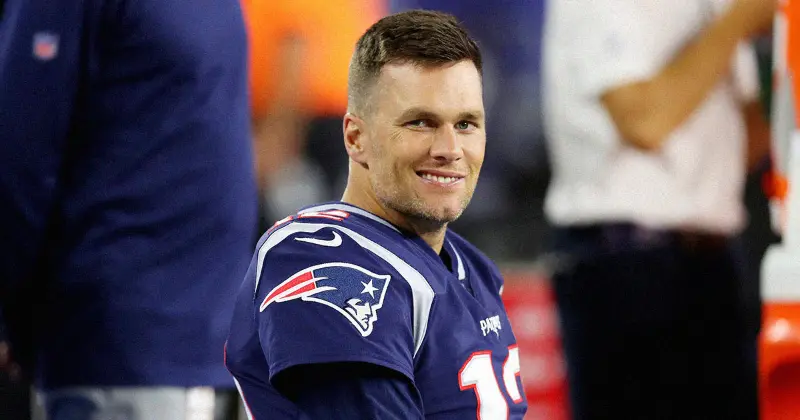

In a stunning revelation, it has been reported that NFL superstar Tom Brady made a staggering $55 million from FTX, a cryptocurrency exchange, for what can only be described as minimal effort. American journalist Michael Lewis recently disclosed this eye-popping figure, revealing that Brady’s lucrative deal required only 20 hours of work per year over a span of three years. This revelation has sparked a wave of discussions and raised questions about the value of celebrity endorsements and the ever-expanding world of cryptocurrency.
Brady’s massive payday is a testament to the growing trend of celebrities and athletes aligning themselves with cryptocurrency companies. While it is not uncommon for athletes to enter into endorsement deals, the sheer magnitude of this particular agreement is nothing short of astonishing. It highlights the increasing influence and financial power of the cryptocurrency industry, as well as the willingness of companies to invest significant sums of money to secure the endorsement of high-profile individuals.
The news of Brady’s substantial earnings from FTX also raises important questions about the nature of work and compensation. In a world where the traditional 9-to-5 job is being redefined, this revelation challenges conventional notions of what constitutes fair compensation for one’s time and efforts. It begs the question: should individuals be rewarded so handsomely for what appears to be a relatively small commitment of their time? This debate is likely to continue as the lines between work, endorsement, and compensation become increasingly blurred in the digital age.
The news of Tom Brady’s reported $55 million payday from FTX for a mere 20 hours of work per year has sparked widespread discussion and debate. It sheds light on the growing trend of celebrities aligning themselves with cryptocurrency companies and raises important questions about the nature of work and fair compensation. As the world of endorsements and cryptocurrency continue to evolve, it will be fascinating to see how this deal shapes the future landscape of both industries.

 By
By
 By
By
 By
By

 By
By
 By
By


 By
By

 By
By