


The Quiet Power of Micro-Rituals: Pie-for-Breakfast and the New Experience Economy
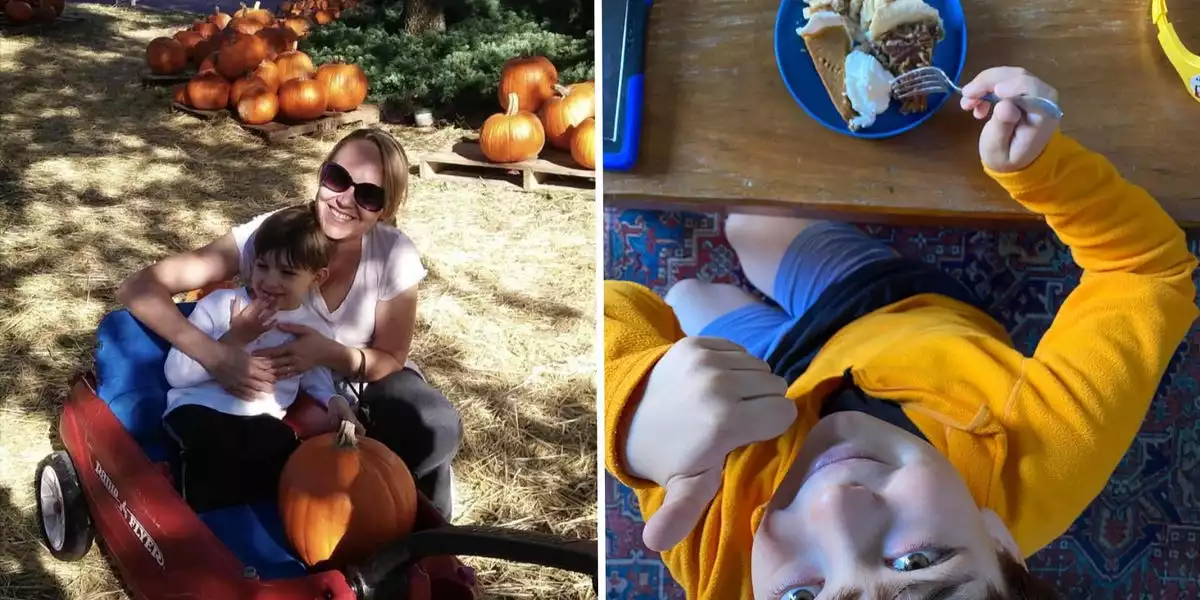
The story of a mother and son sharing pie at sunrise on Thanksgiving morning—an act born from a grandmother’s offhand suggestion—unfurls as more than a charming family vignette. It is a lens into the evolving architecture of consumer behavior, revealing how intimate, idiosyncratic rituals have become the new currency of emotional value and brand loyalty in a post-pandemic world. What begins as a spontaneous experiment—late-night baking, the scent of pastry mingling with the soundtrack of Saturday Night Live—matures into a defining tradition, one that quietly rewires the holiday’s emotional circuitry and, by extension, the market forces that orbit around it.
Rituals as Emotional Multipliers and Market Catalysts
At the heart of this narrative lies a profound insight: micro-rituals transform ordinary products into extraordinary experiences. The act of eating pie for breakfast—once a subversive delight, now a household institution—delivers emotional utility far beyond its modest cost. For consumer goods brands, this is a clarion call. The pie, a humble commodity, becomes a premium offering when woven into the fabric of a personal tradition.
- Marketers in CPG, QSR, and coffee retail are already taking note, experimenting with:
– Limited-edition breakfast dessert menus
– Seasonal pastry kits
– Whipped-cream coffee pairings designed for morning indulgence
The experience economy, once defined by grand gestures and destination events, has evolved. Today’s consumers, shaped by the pandemic’s homeward turn, seek story-rich, atmospheric consumption—moments suffused with meaning, not just material. The late-night baking ritual, the aroma of spices, the soft glow of kitchen lights at dawn—these are the new touchstones of value.
Family Complexity and the Rise of Modular Festivities
The essay’s subtle framing of shared custody as an opportunity—rather than a constraint—signals a broader demographic shift. Blended and distributed households are rewriting the rules of celebration, demanding products and services that enable modular, time-fluid festivities. Brands that position themselves as enablers of these flexible rituals will find fertile ground among a growing cohort of consumers whose lives refuse to conform to the old calendar.
- Retailers and foodservice operators can respond by:
– Offering packaging designed for night-before preparation and morning reveals
– Piloting Thanksgiving-week breakfast-dessert menus for family sharing
– Leveraging loyalty app data to nudge customers toward new ritual formations
Technology, Supply Chains, and the Ritualization of the Home
The home kitchen, once a static backdrop, is now a dynamic stage for technological innovation and supply-chain adaptation. The rise of at-home gourmet rituals is underpinned by:
- Smart ovens, recipe apps, and voice-activated kitchen assistants
- Appliance manufacturers bundling holiday-specific software updates—pre-programmed bake cycles, AI-optimized ingredient lists, and community recipe sharing
- Social platforms gamifying tradition-creation, enabling micro-rituals like “pie-for-breakfast” to achieve viral status and drive sudden demand surges
This digital mediation of inspiration requires agile manufacturing and real-time social listening. As dessert-for-breakfast trends shift demand windows for perishables, grocers leveraging AI-forecasting can optimize labor and reduce shrinkage, flattening demand across previously atypical dayparts.
Competitive Dynamics and Strategic Imperatives
In a climate of persistent inflation, emotional elasticity trumps price sensitivity. Consumers justify premium spend when a purchase anchors a ritual, granting brands with “tradition equity” a buffer against commodity volatility. The market is bifurcating:
- Private-label basics for baking inputs
- Ultra-premium, ready-made desserts for convenience-oriented households
Convergence is the new battleground: breakfast, dessert, and beverage categories overlap, pressuring incumbents to forge cross-category partnerships—imagine a coffee chain co-branding with a frozen-pie startup for a sunrise promotion.
For decision-makers, the implications are clear:
- Consumer goods executives should develop “sunrise dessert” bundles and direct-to-consumer pre-dawn delivery
- Foodservice leaders must pilot family-sharing breakfast-dessert menus and leverage app data for targeted ritual formation
- Appliance innovators can lock in annual usage spikes with holiday-specific firmware and community features
- Retail strategists should deploy predictive analytics to detect and serve emergent micro-rituals ahead of branded competitors
The Future of Tradition: Personalization, Data, and Enduring Loyalty
The humble act of sharing pie at sunrise is a harbinger. Over the next five years, dessert-for-breakfast and similar ritual inversions will blur the boundaries between meal occasions, giving rise to new sub-categories and brand narratives. Early movers—those who embed themselves within the personal traditions of their consumers—will carve out an experience moat, capturing loyalty that transcends price or convenience.
As families reframe holidays through personalized, time-shifted rituals, organizations that design for these micro-moments will unlock premium margins, richer data, and enduring brand affinity. In a fragmented, experience-driven marketplace, the quiet power of a well-loved ritual may prove to be the most resilient strategy of all.

 By
By


 By
By
 By
By

 By
By








