
Reimagining Value: Taco Bell’s Luxe Playbook in the Age of Inflation
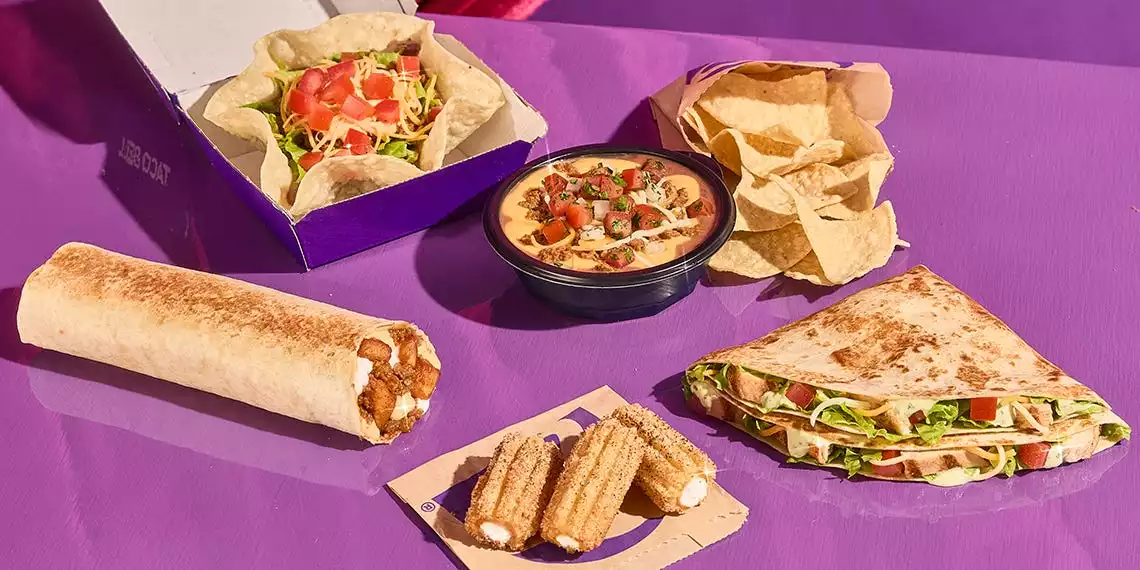
In the ever-churning cauldron of American fast food, Taco Bell’s latest menu overhaul is less a simple refresh than a calculated act of culinary and economic theater. The “Luxe Value” platform, launching with ten sub-$3 items—five new, five returning favorites—arrives as a pointed response to a marketplace where inflation has become the silent guest at every meal. The move is not just about cheap eats; it’s a masterclass in how quick-service restaurants (QSRs) are reengineering value, experience, and technology to capture the elusive, price-sensitive consumer without sacrificing the allure of indulgence.
The Art and Science of Value Engineering
Taco Bell’s strategy is a textbook example of barbell pricing: anchoring the menu with ultra-affordable options while continuing to innovate at the premium end. This duality serves a dual purpose:
- Volume Insurance: By catering to budget-conscious diners, Taco Bell mitigates the risk of declining traffic as economic pressures mount.
- Margin Preservation: The “Luxe” label, paired with craveable add-ons, entices customers to trade up—think extra sauces or protein swaps—nudging average checks higher.
Behind the scenes, the introduction of ten value SKUs could threaten kitchen efficiency. Yet, Taco Bell’s investment in proprietary modular line systems allows for this complexity, absorbing new menu items with minimal labor friction. This operational resilience is a quiet but critical enabler of menu innovation at scale.
On the pricing front, the brand leverages a clever blend of commodity hedging and labor arbitrage. By stretching beef with potatoes and tortillas, Taco Bell smooths out margin volatility, while grab-and-go formats keep assembly times—and thus labor costs—tightly contained. The result: a menu that feels generous to the consumer but remains disciplined on the P&L.
Consumer Psychology and the Luxe Illusion
The genius of the “Luxe Value” proposition lies in its manipulation of perception. The very word “luxe” conjures a sense of occasion, even as the price point remains resolutely democratic. Taco Bell amplifies this effect through:
- Textural Flourishes: Crispy tortilla bowls and salted-caramel fillings evoke the Instagrammable excesses that resonate with younger diners.
- Snackification: Smaller portions, while divisive among reviewers, are a deliberate nod to Gen Z’s grazing habits and the surging popularity of late-night snacking.
- Customization: The build-your-own nature of each item dovetails with digital ordering, allowing for personalization that feels premium—even when the base price is anything but.
This is not just menu engineering; it’s experiential design, calibrated for an era where value is as much about story and self-expression as it is about savings.
Data, Digital, and the New Competitive Frontier
Taco Bell’s digital ecosystem is the silent engine behind the Luxe Value rollout. By integrating new items directly into its Rewards app—where digital orders already account for over a quarter of U.S. sales—the brand accelerates the feedback loop between consumer behavior and menu optimization. Key advantages include:
- Real-Time A/B Testing: Digital channels allow for rapid experimentation with menu pairings and promotional offers, optimizing for both satisfaction and profitability.
- AI-Driven Forecasting: Expanded SKU counts feed machine-learning models that fine-tune ingredient prep, minimizing waste and ensuring freshness.
- Personalized Engagement: With 60% of digital orders coming from high-frequency “value seekers,” new menu items become the triggers for reactivating dormant users and upselling loyalists.
This data-driven approach is not just about efficiency; it is a moat. As competitors like McDonald’s and Wendy’s experiment with sub-$5 bundles, few can match Taco Bell’s structural cost advantages or the sophistication of its digital flywheel.
Implications for the Broader QSR Landscape
The Luxe Value initiative signals a new phase in the QSR value wars—one where storytelling, operational agility, and data intelligence are as critical as price. For decision-makers across the industry, several lessons emerge:
- Codify Value Innovation: The ability to rotate high-flavor, low-cost fillers is becoming intellectual property in its own right.
- Leverage Digital Elasticity: Sub-$3 price points are entry ramps for algorithmic upselling and dynamic bundling.
- Invest in Supply-Chain Flexibility: Menu experimentation demands partners who can scale new SKUs at speed.
- Prioritize Experiential Differentiation: The psychological framing of “Luxe” at a value price is a playbook others will rush to imitate.
Should economic headwinds intensify in late 2024, Taco Bell’s fortified value layer positions it to capture trade-down traffic from both casual dining and grocery—a defensive bulwark for parent company Yum! Brands.
In the end, Taco Bell’s Luxe Value menu is more than a promotional flourish. It is a strategic lever, fusing price accessibility, flavor innovation, and data-driven merchandising into a formidable shield against the volatility of today’s food economy. For the QSR sector, the message is clear: value is no longer just a number—it’s a narrative, and those who master it will own the next chapter of the American appetite.

 By
By
 By
By
 By
By



 By
By
 By
By