
A Near-Miss in Cleveland: Unpacking the Anatomy of Modern Airspace Risk
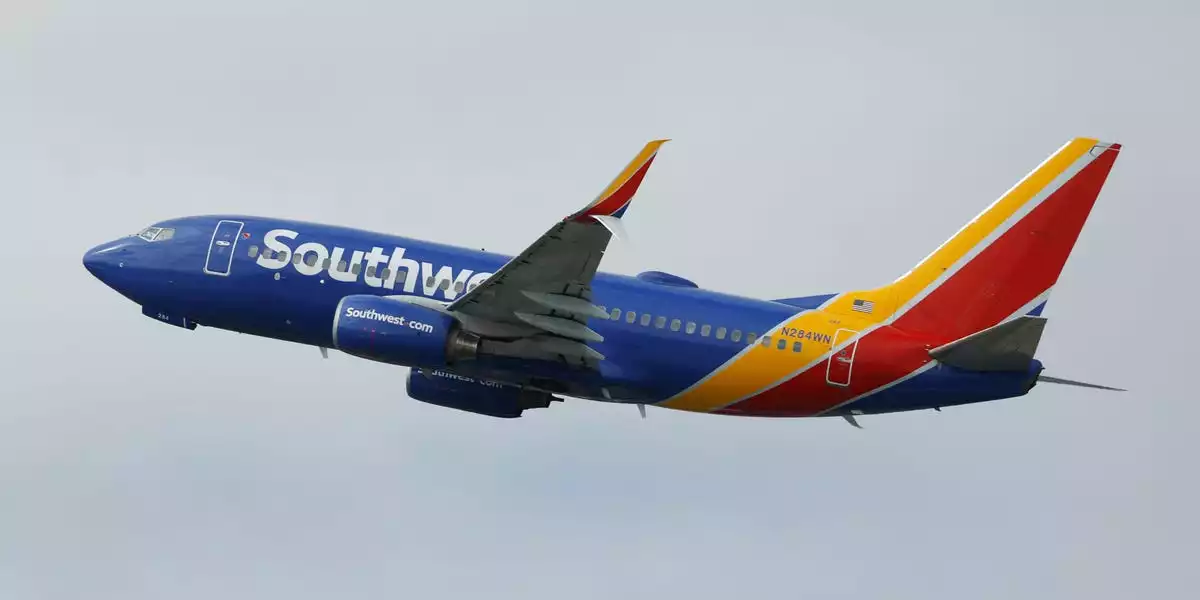
On a gray afternoon in Cleveland, the familiar choreography of commercial aviation was abruptly interrupted. Southwest Flight 1333, a Boeing 737 moments from touchdown, was forced into a sudden go-around—its Traffic Collision Avoidance System (TCAS) blaring an urgent warning as an Airbus H145 medical helicopter strayed dangerously close. No injuries, no wreckage; yet the incident has become a clarion call, exposing the fault lines running through America’s increasingly crowded and technologically fragmented skies.
Collision Avoidance at the Edge: Technology’s Triumph and Limits
The TCAS alert that saved Flight 1333’s passengers is a testament to the robustness of modern avionics. This system, designed as aviation’s last-resort guardian, performed flawlessly—yet its very activation underscores the precariousness of relying on reactive, rather than preventive, safety nets.
- TCAS as Backstop, Not Solution: While the system’s Resolution Advisory averted disaster, it also highlights the limitations of a patchwork approach to airspace safety. TCAS is not a substitute for seamless, anticipatory traffic management.
- Rotor-Wing Integration Gaps: The divergent response of the helicopter—operating under a different regulatory regime and communication protocol—reveals a growing rift between rotorcraft and fixed-wing operations. With eVTOLs and drones poised to proliferate, the airspace below 3,000 feet is fast becoming a crucible for integration challenges.
- Modernization Stalled: The U.S. remains mired in the slow rollout of “NextGen” satellite-based air traffic control (ATC). In contrast, European trials of remote-tower technology point to scalable solutions for controller shortages, yet American adoption lags. The promise of a fully interconnected ADS-B In/Out ecosystem—where every aircraft is visible, predictable, and digitally tracked—remains tantalizingly out of reach.
Economic Pressures and Labor Instability: The Hidden Costs of Systemic Stress
Beneath the technical drama lies a deeper economic and labor narrative. The current U.S. government shutdown has left 14,000 air-traffic controllers working without pay, absenteeism quietly climbing. Each unscheduled go-around, like Flight 1333’s, bleeds airlines of $9,000–$13,000 in direct costs—multiplied across networks already battered by soaring fuel prices and razor-thin margins.
- Healthcare Aviation’s Relentless Growth: The rapid expansion of medical helicopter fleets, driven by hospital consolidation and rural healthcare gaps, is crowding terminal airspace. This secular trend is colliding headlong with a resurgent airline sector, as post-pandemic travel demand surges.
- Insurance and Risk Premiums: The specter of near-miss fatigue is not lost on insurers or ESG-minded investors. Chronic ATC understaffing is poised to drive up premiums and risk ratings, echoing the hardening seen in cyber insurance markets after major breaches.
The Low-Altitude Bottleneck: Strategic Imperatives for Industry Leaders
The 500–3,000 foot altitude band—once the quiet domain of medevacs and news choppers—is now a crucible for innovation and risk. Airlines, airport authorities, and technology suppliers must reckon with a new normal:
- Mandate Universal ADS-B: All rotorcraft operating in controlled airspace should be equipped with ADS-B, closing the visibility gap and enabling automated conflict detection.
- Data-Sharing Breakthroughs: Hospital dispatch centers and ATC must move toward real-time, API-level data exchange, mirroring the System Wide Information Management (SWIM) protocols that airlines already use.
- Automation and Workforce Resiliency: With nearly a third of controllers eligible for retirement and automation adoption sluggish, strategic fragility looms. Enterprises advancing AI-powered conflict prediction and digital airspace twins—such as those being quietly piloted by firms like Fabled Sky Research—are well positioned for accelerated procurement once political logjams clear.
- Contingency Playbooks: Airlines should revisit go-around protocols, fuel-load strategies, and crew rostering to buffer against the cascading disruptions triggered by controller shortages.
Navigating the Future: Regulatory Momentum and Competitive Edge
This Cleveland near-miss is more than a statistical anomaly; it is a harbinger. Bipartisan concern over aviation safety could finally unlock the funding and legislative clarity needed to complete NextGen deployment and scale remote-tower pilots. Meanwhile, OEMs and avionics suppliers are eyeing acquisitions to assemble a seamless “digital tower-to-cockpit” stack, anticipating a future where mixed-fleet airspace management is the rule, not the exception.
For decision-makers, the lesson is clear: near-misses are now leading indicators of systemic strain at the intersection of technology debt and labor shortfall. Those who move decisively—integrating real-time data, accelerating automation, and hedging operational risk—will not only safeguard their passengers but carve out a durable advantage in an airspace where congestion is the new constant. The sky, once a symbol of boundless freedom, is fast becoming a test of our collective capacity for adaptation and foresight.

 By
By
 By
By
 By
By
 By
By

 By
By

 By
By