

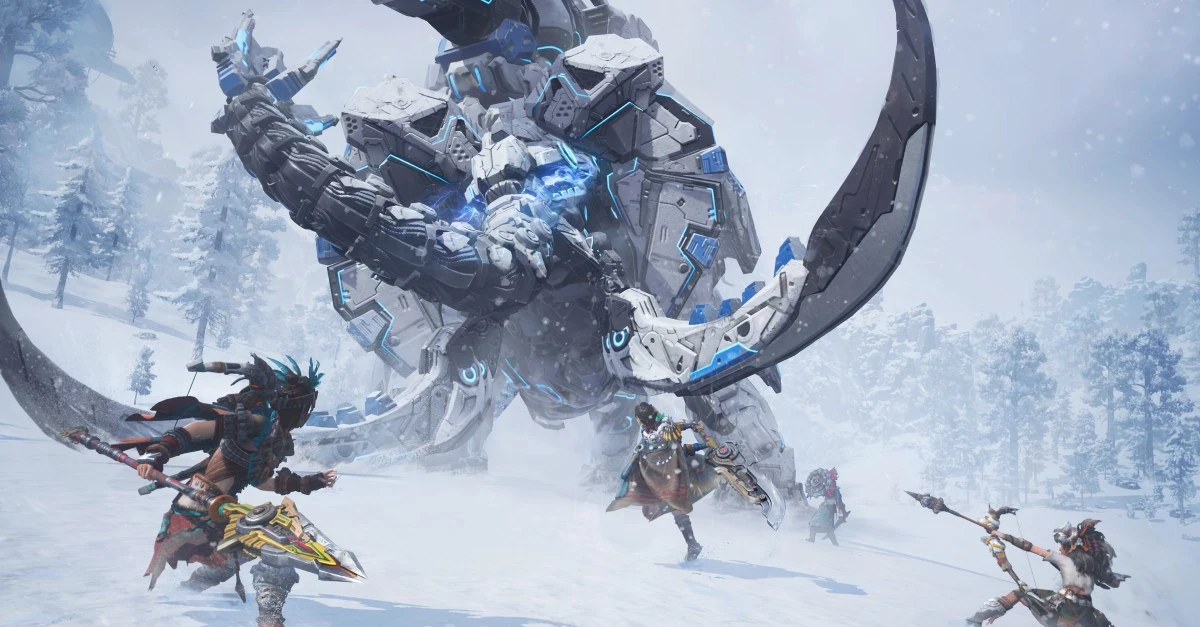

A New Front in the Global Gaming IP Wars: Sony Challenges Tencent’s “Light of Motiram”
The gaming world finds itself at a crossroads, as Sony Interactive Entertainment’s lawsuit against Tencent over the latter’s forthcoming “Light of Motiram” signals a seismic shift in how intellectual property is defined, protected, and contested in the digital age. The complaint, filed in a U.S. federal court, accuses Tencent’s Aurora Studios of creating a “slavish clone” of Sony’s acclaimed Horizon franchise—an allegation that, if substantiated, could reverberate far beyond these two industry titans.
At the heart of the dispute are questions not only of copyright and trademark infringement, but of the very nature of originality in a medium increasingly shaped by rapid technological evolution and cross-border collaboration. This is not an isolated skirmish; it is a harbinger of the legal and creative tensions that will define the next era of interactive entertainment.
The Anatomy of Alleged Imitation: Design, Technology, and the Shadow of AI
Sony’s case rests on a triad of striking parallels between Horizon and Light of Motiram:
- Asset and Engine Parity: Horizon’s world is rendered with Guerrilla’s proprietary Decima engine, renowned for its photorealistic robotic fauna and seamless open-world traversal. Early glimpses of Light of Motiram, showcased at GDC, reveal uncanny similarities—not just in surface aesthetics but in the underlying animation rigs and shader stacks. Whether this is the result of direct asset scraping or sophisticated “look-alike” engineering via Unreal Engine modifications, the line between homage and imitation grows ever thinner.
- Convergent World-Building: Both franchises fuse primal hunting with high-tech robotics, creating lush biomes populated by metallic beasts. This distinctive art direction—biomechanical hybrids, alloy-toned exoskeletons—has become a signature of Horizon, and Sony argues it constitutes protectable trade dress. The suggestion is clear: in a marketplace crowded with open-world adventures, even visual motifs can become proprietary territory.
- AI-Driven Content Creation: The specter of generative AI looms large. Industry insiders whisper that Light of Motiram’s development pipeline may have leveraged AI models trained on Horizon assets. If true, the case could set a precedent for how “style transfer” and AI-assisted design are adjudicated in court—a question that will only grow more urgent as machine learning becomes ubiquitous in game development.
Economic Stakes and Strategic Calculus: More Than a Game
The legal battle is a proxy for deeper economic and strategic currents reshaping the industry:
- Franchise as Fortress: Horizon is not merely a successful game; it is the linchpin of Sony’s transmedia ambitions, with a Netflix adaptation, VR spin-offs, and a robust merchandising ecosystem. Protecting its distinctiveness is crucial to Sony’s exclusive content strategy, especially as hardware profits dwindle and subscription models like PlayStation Plus demand a steady stream of premium IP.
- Tencent’s Global Gambit: For Tencent, the stakes are equally high. The company has invested heavily in Western studios, while simultaneously building its own intellectual property to navigate tightening regulatory scrutiny in China. A Horizon-esque title offers a shortcut to global appeal—sidestepping the slow churn of domestic licensing and capitalizing on proven design formulas.
- Litigation as Market Risk: With AAA game budgets soaring past $150 million, the specter of protracted litigation can chill marketing, stall platform negotiations, and delay crucial rating certifications. Investors are watching closely, recalibrating risk models for studios that favor “fast-follower” strategies over greenfield innovation.
The Broader Landscape: Regulation, Platform Power, and the Future of Creativity
The Sony-Tencent clash is emblematic of broader trends reshaping the business of games:
- IP as Moat: Publishers now view unique art direction as a competitive barrier on par with proprietary engines. Expect a surge in trademark filings that cover not just names and logos, but stylistic elements and visual signatures.
- Jurisdictional Maneuvering: By choosing a U.S. venue—where concept art enjoys broader protection—Sony is signaling a new era of forum shopping in global IP disputes. The move reflects a growing asymmetry between Western and Chinese legal standards on game similarity.
- Platform Gatekeeping: Digital storefronts—whether operated by Valve, Sony, Microsoft, or Apple—are under mounting pressure to vet titles for potential IP conflicts. A Sony victory could spur the adoption of automated asset-similarity scanning, echoing the music industry’s content ID systems, and fundamentally alter the economics of digital curation.
As the industry grapples with the accelerating influence of generative AI, cross-border investment, and the relentless drive for franchise monetization, the outcome of this case will serve as a bellwether. For publishers, platform holders, investors, and regulators alike, the Sony-Tencent dispute is more than a legal battle—it is a defining moment in the ongoing quest to balance creativity, competition, and the sanctity of intellectual property in a rapidly evolving digital frontier.

 By
By
 By
By
 By
By

 By
By


 By
By







