

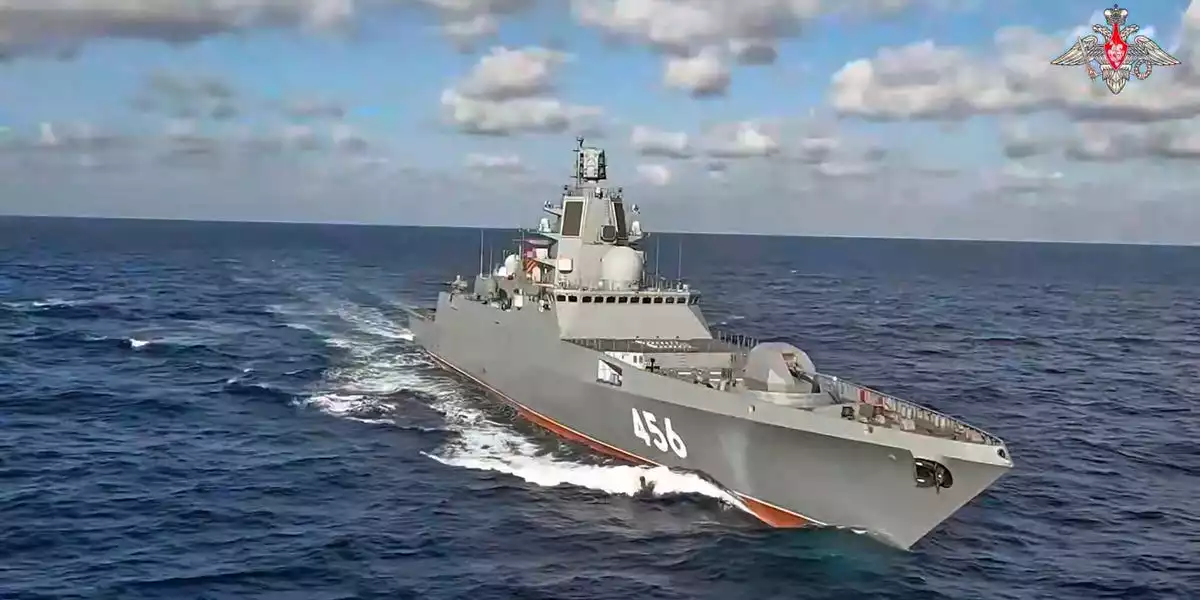

The Unraveling of Russian Naval Power: A Strategic Inflection Point
The Russian Navy, once a symbol of Moscow’s global reach, now finds itself at a historic crossroads. Decades of underinvestment, compounded by the relentless pressure of Western sanctions and the advent of transformative military technologies, have exposed the fleet’s vulnerabilities with unprecedented clarity. Nowhere is this more apparent than in the aftermath of Ukraine’s audacious drone and missile campaign, which forced the Black Sea Fleet to abandon Sevastopol—its spiritual and operational heart. The loss of Tartus in Syria, Russia’s sole Mediterranean logistics hub, has further constricted Moscow’s maritime ambitions, leaving the navy stretched thin across multiple theaters and operating at the very edge of its logistical and financial capacity.
Tactical Erosion and the Rise of Asymmetric Naval Warfare
The operational picture is stark. In the Black Sea, Ukraine’s deployment of low-cost, AI-enabled naval drones has neutralized a significant portion of Russia’s combat tonnage. These software-defined swarms, capable of autonomous target recognition, have not only shortened the kill chain but also exposed the obsolescence of traditional shipborne air-defense systems. The result is a Russian fleet forced into a defensive crouch, its freedom of movement through the Bosporus choke point severely curtailed.
The Mediterranean, once a theater of Russian resurgence, now presents a logistical nightmare. Without access to Tartus, Russian vessels must undertake arduous transits to distant ports like Novorossiysk or Murmansk for re-arming and repairs, dramatically reducing their operational tempo. Meanwhile, in the Arctic and North Atlantic, climate change is opening new sea lanes just as NATO intensifies its patrols. Russia’s inability to surge surface combatants or ice-capable auxiliaries in these waters cedes both informational and tactical initiative—an acute vulnerability for a nation whose economic future is increasingly tied to Arctic LNG exports.
- Key Operational Stressors:
– Loss of repair and logistics hubs in both the Black Sea and Mediterranean
– Increased strain on maintenance schedules and munitions stocks
– NATO’s expanded presence in the Arctic and North Atlantic, challenging Russian deterrence
Industrial Constraints and Economic Trade-Offs
Beneath the surface, the Russian shipbuilding industry is buckling under the weight of sanctions and technological isolation. Third-party restrictions on marine-grade turbines, bearings, and composite propellers have forced Russian yards to substitute with inferior domestic components, extending refit cycles and diminishing energy efficiency—a critical liability as global bunker fuel prices rise. The opportunity costs are mounting: diverting Northern Fleet units southward undermines Moscow’s strategic priority to monetize Arctic mineral corridors, while escalating insurance premiums erode the cost advantage of the Northern Sea Route for Russian-flagged commercial traffic.
Budgetary realities are equally unforgiving. With defense spending now consuming over 40% of Russia’s discretionary budget, naval recapitalization must compete with the immediate demands of the land war in Ukraine. This structural underfunding spiral all but guarantees that modernization will lag, further diminishing Russia’s ability to project power beyond its littoral zones.
- Economic and Industrial Impacts:
– Prolonged refit cycles and rising operational costs due to sanctions
– Strategic trade-offs between Arctic commercial priorities and naval deployments
– Underfunded shipbuilding modernization amid soaring defense expenditures
Shifting Geopolitics and the Future of Maritime Security
The strategic consequences of Russia’s maritime attrition are reverberating far beyond the Black Sea. NATO’s ability to maintain surface action groups within striking distance of St. Petersburg has recalibrated the deterrence equation, pushing Moscow toward shore-based anti-access/area-denial (A2/AD) strategies and accelerating the militarization of the Baltic and Barents Seas. The Mediterranean, now absent a robust Russian presence, is becoming a playground for regional powers such as Türkiye, Egypt, and the Gulf states—each eager to shape the maritime security architecture from the Levant to the Suez.
Perhaps most consequentially, the visible degradation of Russian naval capability is reshaping global arms markets. Traditional Russian clients, from India to Algeria, are reassessing the reliability of Moscow’s offerings, with order books increasingly tilting toward South Korea, Türkiye, and Western Europe. The implications for energy and shipping are equally profound: greater NATO oversight of Arctic lanes may standardize environmental and safety codes, raising compliance costs but lowering geopolitical risk for non-Russian carriers—a boon for Asian LNG buyers seeking diversification.
- Strategic and Geopolitical Ramifications:
– Acceleration of littoral militarization and shore-based missile deployments
– Erosion of Russian influence in Mediterranean maritime security
– Shifting arms-export dynamics favoring alternative suppliers
For decision-makers, these developments demand a recalibration of strategy. Defense primes should double down on R&D for unmanned surface vessels and AI-driven swarm management, technologies validated on the Ukrainian front. Energy majors with Arctic exposure must hedge against intermittent Russian escort capabilities, while navies and private maritime firms accelerate cross-skilling in cyber, autonomy, and under-ice navigation. The erosion of Russian naval prestige also signals a coming wave of joint production agreements and M&A activity across the Middle East and South Asia—an opportunity for those with the foresight and intelligence to act.
What unfolds in the wake of Russia’s maritime contraction is not merely a regional military drama, but a real-time case study in the interplay of asymmetric technology, industrial bottlenecks, and climate-driven trade. Those who read these signals astutely will find themselves not just surviving, but thriving, in a maritime security landscape that is rapidly fragmenting—and brimming with new possibilities.


 By
By
 By
By
 By
By
 By
By


 By
By







