
The Papal Refusal: A Defining Moment for AI, Identity, and Institutional Trust
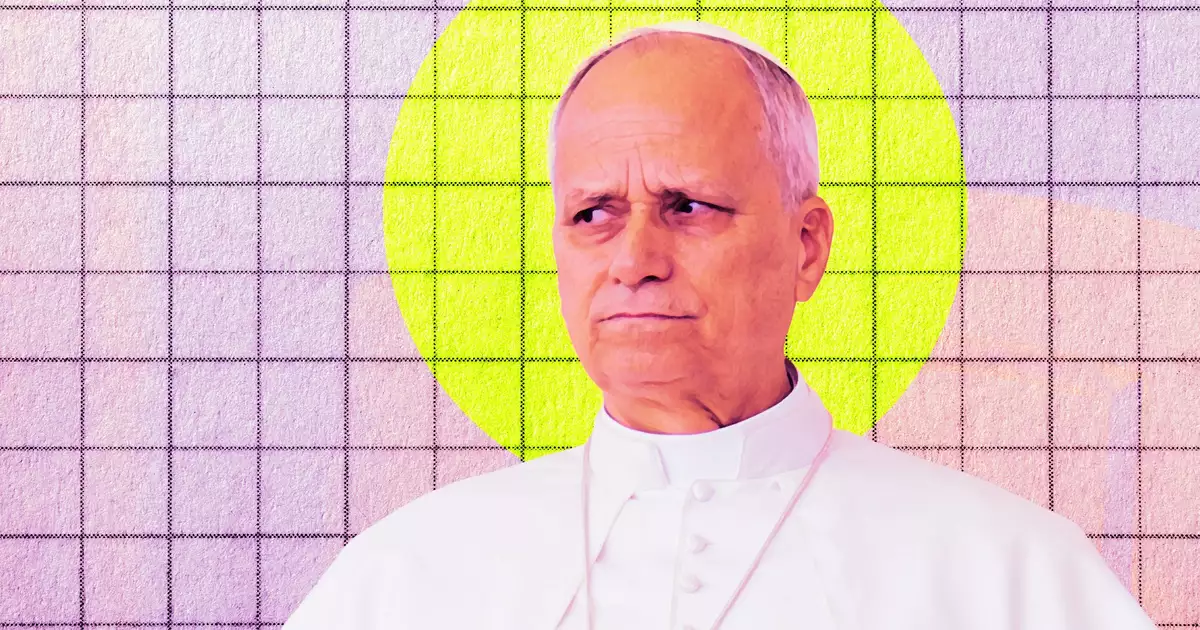
Pope Leo XIV’s unequivocal rejection of an “AI Pope”—a photorealistic digital avatar designed to grant virtual audiences—has sent ripples far beyond the marble halls of the Vatican. His warning that artificial intelligence risks distorting truth, siphoning capital from urgent human needs, and corroding the very fabric of spiritual and social bonds, lands at a moment when the world’s faith in digital authenticity is already fraying. The Pope’s stance, sharpened by a public exchange with Elon Musk, crystallizes a widening rift between the moral imperatives of institutions and the relentless momentum of technological innovation.
The Battle for Authenticity: Identity, Trust, and the Synthetic Self
The technical challenge of creating digital doppelgängers—avatars indistinguishable from their human originals—has largely been solved. What remains is a more profound dilemma: Who owns the right to one’s image, voice, and narrative? For an institution whose legitimacy is rooted in centuries of spiritual authenticity, the specter of a synthetic surrogate is not just a technical novelty but a reputational minefield. The risk is not merely doctrinal but existential, exposing the institution to:
- Brand dilution: The presence of an AI Pope could erode the “trust premium” that comes from verified human leadership, much as luxury brands leverage scarcity and authenticity to command value.
- Misinformation liability: As deepfakes proliferate, the line between genuine and fabricated pronouncements blurs, raising the specter of doctrinal confusion and legal exposure.
- Strategic opportunity: Scarcity of verified human presence may itself become a premium asset, with analog exclusivity emerging as a counterweight to the digital deluge.
This battle for authenticity is not confined to religious institutions. Corporate leaders, political figures, and public intellectuals face similar pressures as the cost of digital mimicry plummets. The ability to prove one’s humanity—ironically, in an age obsessed with digital transformation—may soon be the ultimate differentiator.
The Morality of Capital: AI Investment and the Ethics of Allocation
Papal criticism reframes the global AI investment boom—now exceeding $200 billion annually—not as a neutral race for innovation, but as a profound moral question. With the World Bank citing a $148 billion shortfall to meet basic water and sanitation needs, the Pope’s intervention casts AI budgets in stark relief:
- Opportunity cost: Every dollar spent on speculative AGI ventures is a dollar not spent on pressing societal needs.
- ESG momentum: Asset managers, increasingly attuned to social impact, may begin to demand explicit public-good benchmarks in AI investment proposals.
- Narrative contest: The Musk-Vatican exchange encapsulates a broader cultural struggle—“salvation via technology” versus “salvation via ethics”—that could shape consumer sentiment and, ultimately, capital flows.
For enterprises, this is not a distant philosophical debate but a live strategic concern. The legitimacy of AI initiatives, particularly those touching public discourse or biometric data, will increasingly be judged against their societal externalities.
Regulatory and Societal Crosswinds: Governance, Compliance, and the Rise of the “Analog Signal”
The Pope’s intervention arrives amid a global regulatory surge. The EU AI Act, U.S. executive orders, and China’s deepfake labeling rules all converge on the need for transparency and provenance—areas directly implicated by the Vatican’s concerns. Religious and civil-society pushback may embolden legislators to tighten controls on synthetic identities, raising compliance costs but also creating formidable barriers to entry.
Meanwhile, the Vatican’s unique diplomatic reach—183 sovereign relationships—positions it as a formidable soft-power broker. Just as it shaped climate accords, the Church could galvanize multi-stakeholder alliances around an “ethics-first” AI agenda, influencing not just regulation but the very norms that underpin digital society.
In this post-trust economy, where Edelman’s 2024 Trust Barometer finds a record 61% of people unable to distinguish real from fake news, the value of verified human presence is poised to soar. Platforms that can operationalize authenticated content may find themselves at the vanguard of a new trust economy, where digital scarcity and provenance are as prized as technological prowess.
Strategic Imperatives for the Post-Trust Era
For business leaders and technologists, the papal veto is not merely a theological footnote but a strategic inflection point. The path forward demands:
- Robust identity governance: Treat executive likeness and narrative as protected IP, with proactive monitoring for synthetic misuse.
- Hybrid authenticity strategies: Blend AI-enabled scale with deliberate human exclusivity, preserving moments where only the “analog signal” will do.
- Societal license to operate: Embed measurable social good into AI investment logic, anticipating rising demands from regulators and investors alike.
- Reputation hedging: Prepare for moral critiques by scenario-planning and engaging with ethical influencers—including, where appropriate, faith-based organizations.
As the boundaries between the real and the artificial blur, those who can anchor their offerings in authenticated, human-centered value will shape not just the competitive landscape, but the very terms of legitimacy in the digital age. The Vatican’s stance is a clarion call: in the race to build the future, the question of what—and whom—we trust has never been more urgent.

 By
By
 By
By

 By
By
 By
By
 By
By