
Reinventing Remembrance: The Alchemy of Ashes into Stones
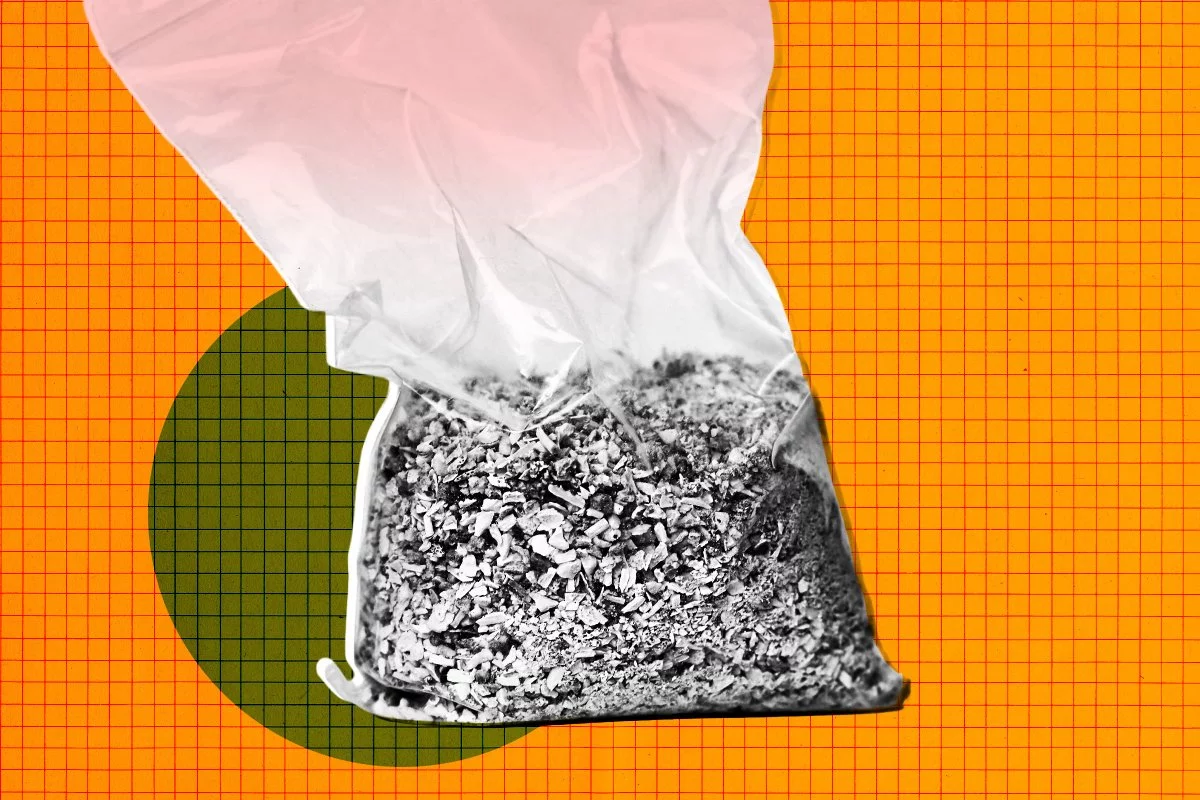
In the shadowy corridors of the $23 billion American death-care industry, innovation rarely makes headlines. Yet, a quiet revolution is underway, reshaping how we interact with mortality and memory. Parting Stone, a San Francisco-based venture, has emerged as a vanguard in this transformation, offering a service that transmutes cremated remains into polished, tactile stones—objects designed not just to memorialize, but to comfort, to ground, and to spark new rituals for the living.
The Science of Solidification: Where Memory Meets Materials
At the heart of Parting Stone’s offering lies a proprietary sintering process that borders on alchemy. Eschewing additives, the company stabilizes calcium phosphate—the elemental residue of cremation—into a ceramic matrix with a gentle, almost luminous finish. This is not merely an aesthetic choice. The technique, reminiscent of the controlled-crystallization seen in engineered stone countertops, creates a product that is both physically robust and symbolically resonant. Each set of remains yields between 40 and 80 stones, each one a unique, tangible artifact of a life lived.
The technological moat is clear: the process is defensible, the results consistent, and the economics compelling. Modular, batch-based kilning allows for cost efficiencies as demand scales, with gross margins estimated north of 70%. By distributing micro-kiln sites near crematories, logistical hurdles—particularly those tied to the labyrinthine regulations around the transport of human remains—are deftly sidestepped. Each order, moreover, generates a trove of metadata: stone count, mineral profile, even subtle variations in hue. This data, in the hands of a forward-thinking operator, could feed personalization engines or even augmented-reality overlays, hinting at a future where memory is both physical and digital.
Market Forces and the Experience Economy
The timing of this innovation is no accident. Cremation rates in the United States have soared past 60%, and are projected to eclipse 80% by 2040, fundamentally altering the economics of remembrance. The traditional urn, once a fixture of the bereaved household, is increasingly giving way to experience-centric add-ons—objects and rituals that speak to a generation less tethered to land, religion, or permanence.
Parting Stone’s pricing, nestled between the high-gloss allure of memory diamonds and the eco-credentials of conservation burials, positions it squarely in the middle of a new value spectrum. Upsell opportunities abound: custom display cases, narrative media, even insurance-backed pre-need plans. The pet segment, buoyed by the $120 billion U.S. pet economy, offers a cash-flow flywheel, with identical production processes and lower customer acquisition costs. And as $84 trillion in generational wealth prepares to change hands by 2045, millennials—champions of “experiential minimalism”—are showing a marked preference for compact, display-neutral memorial forms.
Ritual, Regulation, and the New Grief Object
This reimagining of post-life ritual is not occurring in a vacuum. The decline of religious burial rites and the rise of urban density have eroded the cultural centrality of cemetery plots. In their place, portable memorial artifacts—objects that can be held, displayed, or even carried—are gaining psychological currency. As digital remembrance becomes ever more ephemeral, the demand for physical, sensory grounding in grief processing is growing. The stones themselves, smooth and weighted, double as mindfulness objects, aligning with broader wellness consumption trends.
Regulatory and ethical considerations are not insignificant. While post-cremation remains are largely unregulated, interstate transport is a patchwork of Department of Health rules. Here, the distributed kiln model offers both logistical and reputational safeguards. Transparency in sourcing and chain-of-custody certification further pre-empt potential bioethical pitfalls, building trust in a sector where trust is paramount.
The Road Ahead: From Funeral Service to Lifestyle Artifact
The competitive landscape is dynamic. Adjacent innovators—lab-grown diamond makers, human composters—are all vying for a share of the post-life experience. Yet, Parting Stone’s lower ecological intensity and broader aesthetic appeal set it apart. Strategic partnerships with funeral home chains or luxury brands could accelerate adoption, while future-facing moves—augmented reality integration, ESG positioning, and global expansion—beckon on the horizon.
For executives and strategists attuned to disruption in mature, regulation-heavy sectors, the lesson is unmistakable: emotional pain points, when met with technical ingenuity and cultural sensitivity, can unlock premium, defensible business models. The transformation of ashes into stones is more than a clever product—it is a meditation on how we remember, how we grieve, and how, even in death, innovation can offer new forms of connection and meaning.

 By
By
 By
By
 By
By
 By
By
 By
By
 By
By