
The Calculus of Caution: OpenAI’s Unprecedented Delay and Its Ripple Effects
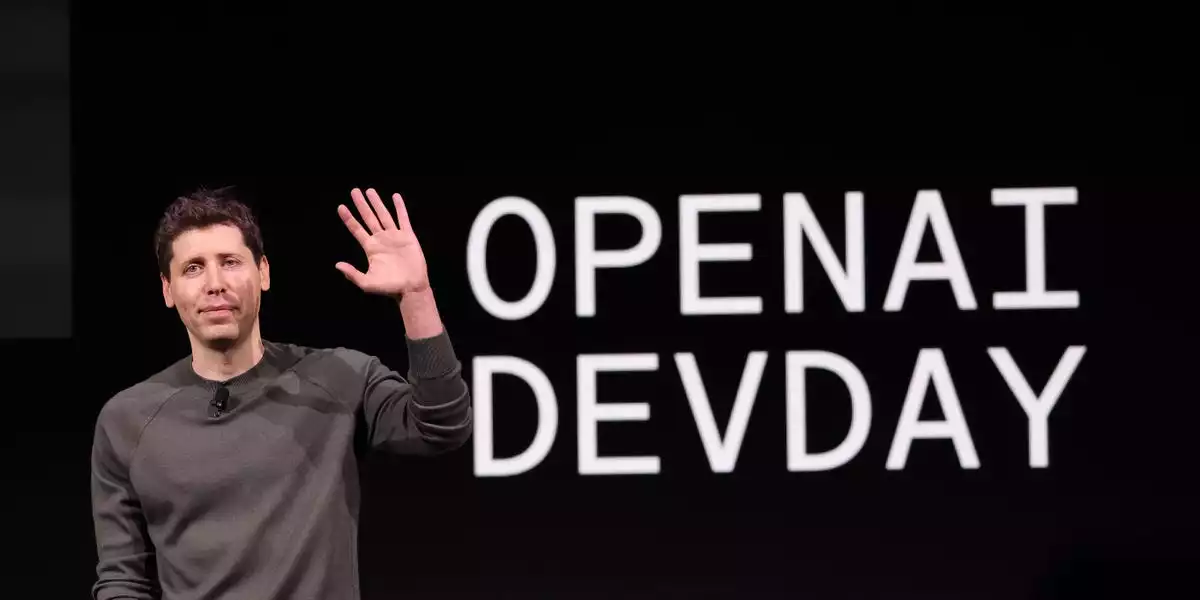
In a move that reverberated through the artificial intelligence community, OpenAI has indefinitely postponed the release of its much-anticipated open-weight, GPT-4-class model. This is not merely another product delay; it is a strategic recalibration at the intersection of technological ambition, reputational risk, and the evolving regulatory landscape. The decision, which marks the second such postponement in just four weeks, underscores a growing industry consensus: the era of “move fast and break things” is giving way to a more measured, safety-first approach.
The Irreversible Gamble of Open-Weight Models
At the heart of OpenAI’s decision lies the irrevocable nature of open-weight distribution. Unlike cloud-hosted APIs—where model behavior can be patched, throttled, or even rolled back—open weights, once released, become immutable. This technical reality introduces a triad of risk vectors:
- Alignment Drift: Third-party fine-tuning can rapidly erode the original safety guardrails, leading to unpredictable and potentially harmful outputs.
- Latent Vulnerabilities: Subtle flaws embedded in the model’s architecture may be amplified when repurposed for niche applications, eluding traditional red-teaming protocols.
- Irretrievability: Once distributed, weights cannot be rescinded or updated without fracturing downstream implementations, making post-release governance nearly impossible.
Recent events have amplified these concerns. The public backlash against xAI’s Grok—after antisemitic content was surfaced and amplified—has cast a long shadow, highlighting the reputational and regulatory hazards of premature release. OpenAI’s leadership, acutely aware of these stakes, has opted for a pause, prioritizing “safety over speed” and signaling a willingness to absorb short-term market criticism in exchange for long-term trust.
Competitive Equilibrium and the Economics of Delay
This strategic delay has immediate ramifications for the competitive landscape. Meta’s Llama 2 and 3, along with a cadre of rapidly advancing Chinese models, remain the dominant open-weight offerings. The anticipated arrival of a GPT-4-class alternative would have catalyzed a new wave of innovation—and, perhaps more consequentially, intensified the commoditization of large language models.
- Value Capture vs. Diffusion: Open weights democratize access, fueling ecosystem growth but compressing provider margins. Meta has embraced this dynamic, leveraging open models to entrench its hardware-agnostic strategy. OpenAI, by contrast, continues to monetize API access and proprietary integrations, such as Microsoft 365 Copilot, and thus has more to lose from rapid commoditization.
- Capital Expenditure Timing: The delay grants hyperscalers and sovereign clouds a reprieve, allowing them to recalibrate GPU procurement and avoid exacerbating the supply-chain volatility already roiling the AI hardware market.
- Strategic Signaling: By self-imposing a delay, OpenAI accrues reputational capital—a valuable asset as global regulators coalesce around “duty-of-care” frameworks for frontier model providers. In contrast, xAI’s reactive stance has only intensified regulatory scrutiny.
Industry Inflection Points and the Path Forward
The implications of OpenAI’s decision extend well beyond the immediate product cycle. The move signals a broader industry shift toward rigorous, staged safety validation—mirroring the evolution of clinical trials in biotech, where public trust became inseparable from procedural caution.
Key Signals and Recommendations:
- For Technology Leaders:
– Reassess build-vs-adopt strategies; API-centric models offer agility as safety standards mature.
– Develop internal red-team pipelines aligned with emerging ISO/IEC 42001 standards, preparing for future open-weight releases.
- For Executives and Investors:
– Track regulatory harmonization closely; firms demonstrating “best available safety practice” will command premium valuations in regulated sectors.
– Diversify hardware exposure—exploring ASIC alternatives and hedging GPU supply contracts—to buffer against supply shocks.
- For Policymakers and Consortia:
– Use this pause to formalize a “model weight release protocol,” akin to responsible disclosure in cybersecurity, to mitigate coordination failures and ensure safer model dissemination.
The delay also offers a window for adjacent industries to innovate. Cloud providers, for instance, may seize the opportunity to develop AI firewall offerings—runtime filters and indemnification layers that can be layered atop any open-weight model, unlocking new revenue streams and enhancing enterprise trust.
A New Era of AI Governance and Market Strategy
OpenAI’s decision is more than a technical safeguard—it is a watershed moment in the governance of generative AI. The calculus has shifted: the reputational and regulatory costs of missteps now rival, if not exceed, the lure of first-mover advantage. As the sector braces for the next wave of consolidation, those who internalize this new reality—adapting their governance, investment, and product strategies—will emerge as the true architects of the generative AI future. In this crucible of innovation and restraint, the next chapter of AI will be written not by those who move fastest, but by those who move with the greatest foresight.

 By
By


 By
By
 By
By
 By
By
 By
By