
The Dawn of Frictionless Game Discovery: Cloud Demos Inside Discord
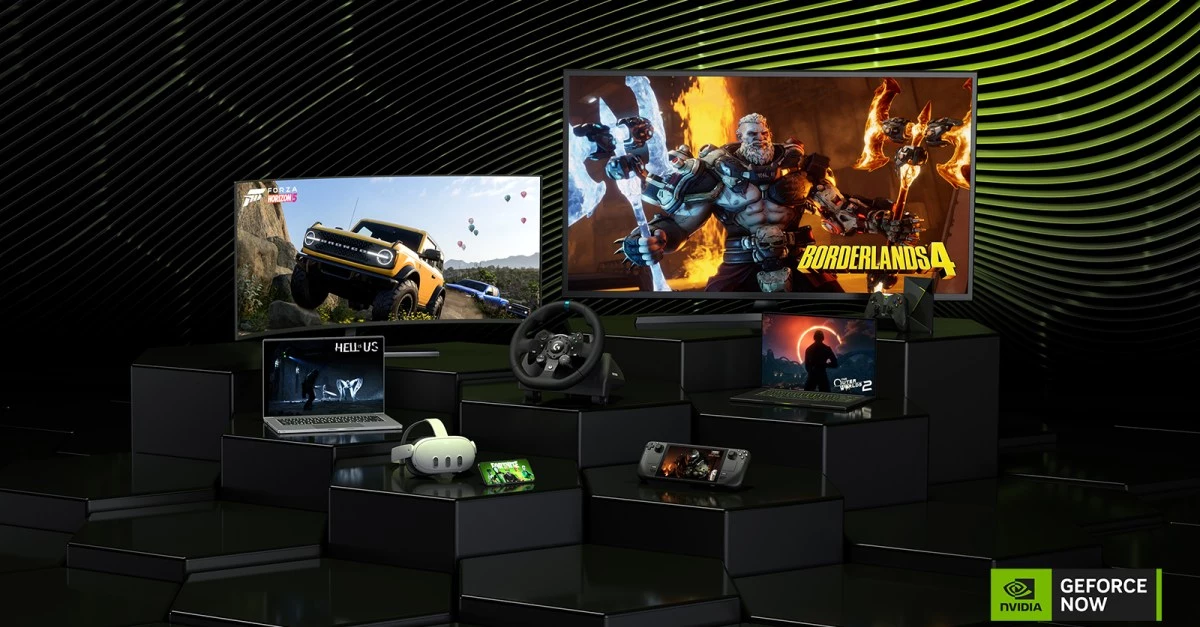
The gaming industry, ever restless, has once again found itself at the edge of a technological inflection point. Nvidia, Discord, and Epic Games have quietly orchestrated a pilot at Gamescom that, while modest in its 30-minute time cap, signals a profound reimagining of how players encounter and engage with games. By streaming instant Fortnite demos directly within Discord servers via GeForce Now, the trio is not merely showcasing technical prowess—they are redefining the very architecture of game discovery.
Engineering the Click-to-Play Future
At the heart of this pilot is a seamless, cloud-rendered experience that dispenses with the friction of local downloads and upfront purchases. Within seconds, Discord users can launch a fully playable Fortnite session, powered by Nvidia’s RTX 4080 SuperPODs, all without leaving the chat interface. This is not just a feat of bandwidth and GPU density; it’s a validation of a new micro-transactional compute model, where containerized game instances spin up on demand and vanish just as quickly.
Key technical breakthroughs include:
- Sub-30-second Boot Times: Discord’s lightweight client, married to Nvidia’s edge infrastructure, delivers near-instant access.
- Embedded Streaming Clients: The pilot foreshadows a future where any social or media app could serve as a gaming endpoint, thanks to standardized SDKs.
- Edge Network Telemetry: The 30-minute cap is as much about user experience as it is about stress-testing concurrency, latency, and cost per streamed minute.
For Epic Games, this is more than a technical showcase. The integration with Epic Online Services hints at a future where single sign-on flows traverse storefront boundaries, further blurring the lines between distribution, community, and play.
Economic and Strategic Stakes: Reinventing the Acquisition Funnel
The implications of this pilot extend far beyond the server racks. By inverting the traditional acquisition funnel—putting playable exposure before the store visit—publishers stand to dramatically lower customer acquisition costs. Discord, meanwhile, deepens user engagement, amplifying time-on-platform metrics that are the lifeblood of any social ecosystem.
Consider the economic chessboard:
- Lead Generation at Scale: Even a modest conversion rate from demo to purchase could prove accretive, as marginal streaming costs continue to decline.
- Subscription Upsell Opportunities: Nvidia’s GeForce Now can surface upgrade paths without eroding the value proposition for current subscribers, while Discord could experiment with premium “extended demo minutes” as a Nitro incentive.
- Marketplace Leverage: Epic fortifies its user-account graph, gathering engagement data that serves as a strategic hedge against entrenched platforms like Steam. Nvidia, by courting publishers with demo infrastructure, positions itself above mere GPU rental, echoing the ambitions of cloud giants like AWS.
Yet, these opportunities are not without their political and regulatory shadows. The cross-pollination of hardware, distribution, and community—if scaled—could invite antitrust scrutiny reminiscent of recent industry mega-deals.
Industry Ripples and the Road Ahead
This experiment arrives amid a broader “second wave” of cloud gaming, where the failures of Gaikai and Stadia are recast as lessons in timing rather than vision. Today’s bandwidth economics and edge GPU density make ARPU-positive streaming not just plausible, but likely. The instant demo paradigm borrows from the freemium television playbook: let users sample content, then monetize the downstream engagement.
For publishers, the recommendation is clear: treat cloud demos as a rigorously A/B-testable channel, and negotiate for granular telemetry. Insights from first-session abandonment could inform not just marketing, but the very design of future titles. Platform operators, meanwhile, should explore dynamic queue pricing and “Demo-as-a-Service” bundles, transforming cloud streaming from a commodity into a differentiated platform play.
Investors and strategists would do well to watch for click-to-play experiences surfacing in other digital frontiers—mobile messaging, smart TVs, even automotive dashboards. The entity that controls the endpoint controls the funnel, and the next wave of CapEx—especially incremental SuperPOD deployments near secondary metros—will be a bellwether for mass-market adoption.
As the holiday release cycle looms and economic headwinds threaten to compress consumer willingness to commit, the low-friction, low-commitment trial model may find itself not just relevant, but essential.
The Nvidia-Discord-Epic collaboration is, for now, a controlled test. Yet it is one that hints at a coming era where the “first playable minute” is as strategically prized as the first click or the first stream. In an industry defined by its relentless pursuit of engagement, the cloud-native demo may well become the new front door to the world’s most lucrative virtual playgrounds.

 By
By
 By
By

 By
By
 By
By

 By
By
 By
By