


The Handheld Gambit: How Microsoft Is Rewriting the Xbox Playbook
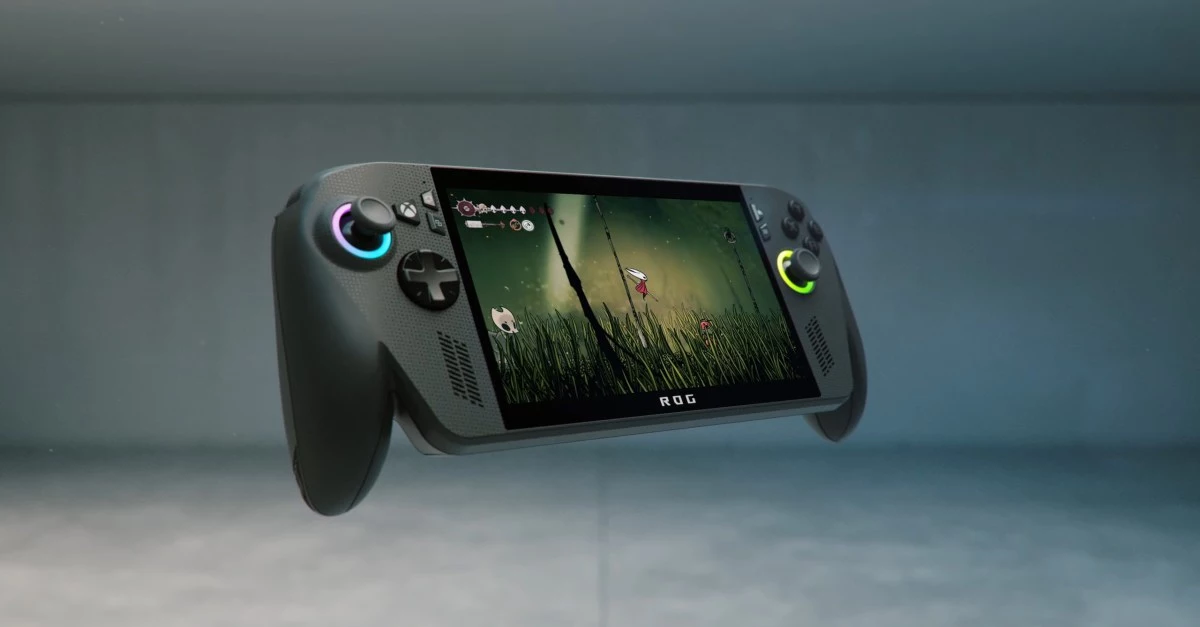
Microsoft’s Gamescom 2024 showcase is poised to be far more than a parade of new titles and hardware. Instead, it marks a deliberate, high-stakes pivot—one that reimagines the Xbox not as a static living-room monolith, but as a fluid, portable-first ecosystem. At the heart of this transformation is the ASUS ROG-branded Xbox Ally, a device that signals Microsoft’s ambition to dissolve the boundaries between console, PC, and cloud, and to re-anchor its gaming business in the rhythms of everyday mobility.
The ROG Xbox Ally is not just another entrant in the swelling ranks of handheld gaming. It is a calculated response to the surging popularity of the Steam Deck and the enduring dominance of Nintendo’s Switch. By leveraging Windows 11 as its operating system, the Ally enables a seamless blend of native and cloud-based play, effectively turning every device into a potential Xbox. Under the hood, AMD’s 4-nanometer APU architecture delivers performance that approaches the Xbox Series S, but at a fraction of the power draw—a technical coup that keeps x86 silicon competitive against the likes of Apple’s M-series and Qualcomm’s Snapdragon X.
This move is not merely about hardware. It is about distribution. The backpack, not the TV stand, becomes the new center of gravity for gaming, and Microsoft’s Game Pass is the gravitational force that binds it all together.
—
Content as Currency: Subscription Economics and the Power of Day-One Access
Microsoft’s software strategy is equally audacious. By making highly anticipated titles like *Hollow Knight: Silksong*, *Grounded 2*, and *Call of Duty: Black Ops 7* available on Game Pass from day one, the company is betting that access, not ownership, will drive the next wave of engagement. This approach is not just about attracting new subscribers; it is about keeping churn below the critical 4% threshold and maximizing average playtime per user.
- Indie launches on Game Pass, such as Silksong, are being actively subsidized to fuel discovery and stickiness, a move that signals to publishers and studios that the economics of premium indie games are shifting. The calculus is no longer about maximizing launch revenue, but about trading some of that upside for massive, immediate audience reach and recurring revenue.
- Blockbuster IP, like the newly acquired *Call of Duty* franchise, is being rerouted from $70 boxed sales into the recurring, high-LTV world of subscriptions. The message is clear: first-party control enables Microsoft to extract more value over the lifetime of a user than any single transaction could.
- Dormant franchises—think *Ninja Gaiden* and *Tony Hawk*—are being revived not just as nostalgia plays, but as lower-risk, capital-efficient content bets in an era where the cost of capital is anything but cheap.
This content pipeline optimization, paired with a unified Xbox/Windows interface, is designed to minimize developer overhead and ensure that users can move effortlessly between devices and contexts—a critical advantage as gaming sessions become shorter, more fragmented, and more mobile.
—
Macro Shifts: Subscription Defense, Hardware Hedging, and Regulatory Chess
The strategic logic behind Microsoft’s moves extends well beyond the confines of the gaming industry. In a macro environment characterized by high interest rates and constrained discretionary spending, the subscription model offers a defensive moat. Bundling indie and AAA content under a single, affordable umbrella stands in stark contrast to Sony’s and Nintendo’s continued reliance on traditional à-la-carte pricing.
- Manufacturing agility is another hidden advantage. Smaller, lower-power devices like the ROG Ally can be produced at scale without competing for the high-end GPUs currently monopolized by the AI industry, reducing Microsoft’s exposure to supply chain volatility.
- Regulatory optics are also in play. By showcasing Activision content on non-Xbox hardware at a European event, Microsoft is making a subtle, but pointed, case to regulators: the benefits of its platform are being widely shared, not hoarded—a narrative that may prove persuasive as the EU’s Digital Markets Act looms.
For decision-makers across the industry, these shifts are more than tactical maneuvers. They signal a new competitive frontier, where frictionless, cross-device libraries and adaptive licensing will matter more than raw hardware specs. Publishers must now weigh the trade-offs of day-one subscription placement, while hardware OEMs and silicon vendors are being drawn into a race to define the next generation of portable gaming.
—
The Road Ahead: Metrics, Mandates, and Market Response
As the dust settles from Gamescom, the industry’s attention will turn to a handful of critical watchpoints:
- The attach rate of Game Pass subscriptions to each ROG Ally sold—a bellwether for the viability of portable-first distribution.
- The performance of Silksong as a “subscription mover,” and whether it can replicate or surpass the impact of past hits like *Starfield*.
- AMD’s ability to scale its 4-nm APUs, especially as AI-driven demand continues to strain global silicon supply.
- The pace and impact of EU Digital Markets Act enforcement, particularly as it relates to sideloading and cross-store parity.
- The strategic countermoves from Sony and Nintendo, who must now decide whether to double down on legacy models or embrace the hybrid, cloud-anchored future that Microsoft is so aggressively courting.
For Microsoft—and for the broader industry—Gamescom 2024 is not just a showcase. It is a declaration: the future of gaming will be portable, subscription-driven, and everywhere. The only question is who will move fast enough to claim it.

 By
By


 By
By
 By
By
 By
By

 By
By







