
Meta’s Monumental AI Gambit: Redefining the Competitive Landscape
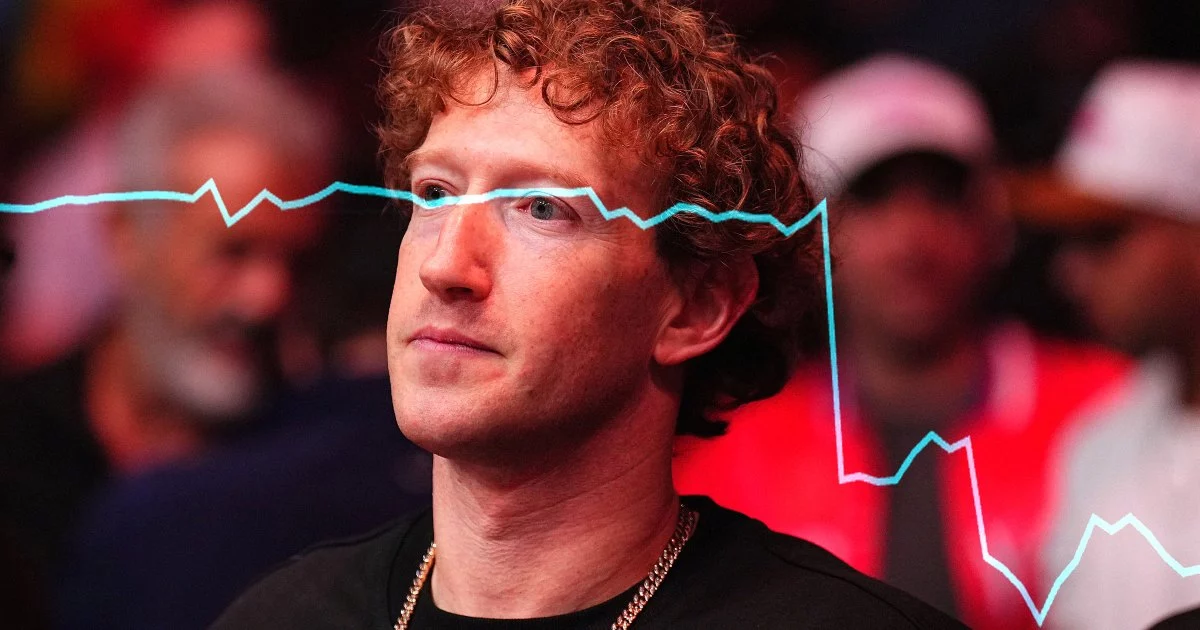
Meta Platforms’ recent announcement of a staggering $70–$72 billion capital expenditure for 2024 has sent tremors through both Wall Street and Silicon Valley. This sum, earmarked primarily for artificial intelligence infrastructure, talent, and model development, represents not just a line item on a balance sheet but a declaration of intent—a signal that the next epoch of digital competition will be waged on the battlegrounds of compute, data, and model sovereignty. The market’s immediate reaction—an 11% drop in Meta’s share price—belies the deeper strategic calculus at play, as investors weigh the risks of a capital-intensive AI arms race against the existential threat of falling behind hyperscale rivals like Alphabet and Microsoft.
The Architecture of AI Dominance: What Meta Is Actually Building
Beneath the headline figures lies a granular, meticulously orchestrated buildout of next-generation AI capabilities:
- GPU-Rich Compute Fabric: Meta’s allocation of two-thirds of its incremental spend to H100 clusters, advanced networking, and custom accelerators will roughly double its usable FLOPS year-over-year. This leap is not merely about raw power; it’s about enabling the training of frontier-scale, multimodal models that can drive everything from hyper-personalized feeds to autonomous agents in immersive environments.
- Proprietary Foundation Models: The Llama 3 family and its successors are being positioned as the backbone of Meta’s ad-ranking, social-graph analytics, and creator tools. By controlling these models in-house, Meta insulates itself from the volatility of third-party API pricing and regulatory shifts—a subtle but potent hedge as data privacy and AI accountability become board-level concerns.
- Toolchain Verticalization: Recent moves, including the acquisition of Scale AI’s talent and the creation of Superintelligence Labs, point to a desire for end-to-end ownership—not just of models, but of the labeling, evaluation, and safety stack. This positions Meta ahead of the regulatory curve, as explainability and governance become non-negotiable in both the US and EU.
Economic Tensions and Strategic Ripples Across the Industry
The sheer scale of Meta’s AI investment throws into sharp relief the economic and strategic dilemmas facing tech giants and their stakeholders:
- CapEx vs. Return Lag: Meta is effectively asking investors to weather a two- to three-year “J-curve,” with significant outlays preceding any material EBITDA expansion. In a high-interest-rate environment, this patience comes at a premium, amplifying sensitivity to near-term volatility.
- Balance Sheet Evolution: With net cash reserves thinning and leverage ratios nudging toward previously disavowed territory, Meta is signaling a philosophical shift—from funding growth solely via free cash flow to potentially embracing debt. For long-only investors, this marks a profound pivot in risk appetite and capital allocation.
- Reflexive Sector Dynamics: As Microsoft and Alphabet mirror Meta’s spending, a feedback loop emerges. Hyperscalers bidding up limited GPU supply risk sustained high input costs, stretching payback periods and concentrating risk in a supply-constrained, quasi-commodity market. The implications ripple outward, affecting everyone from semiconductor vendors to mid-cap AI tooling firms.
Strategic Moats, Optionality, and the New Rules of AI Competition
Meta’s AI surge is not just about defending its social advertising empire; it’s a multi-front campaign to secure new revenue streams and fortify competitive moats:
- Data-Driven Moats: Meta’s apps generate a torrent of proprietary behavioral data, fueling a tight feedback loop between user engagement, model refinement, and monetization. This scale-driven advantage is nearly impossible for smaller rivals to replicate, especially as regulatory scrutiny intensifies.
- Commerce and Metaverse Synergies: AI-powered conversational agents embedded in WhatsApp and Instagram could catalyze seamless payments and commerce in emerging markets, shifting Meta’s business model closer to Alibaba’s take-rate economics. Simultaneously, multimodal AI reduces content-creation costs in the metaverse, transforming heavy data-center investments into shared assets across product lines.
- Talent Signaling: The high-profile hiring of Scale AI’s Alexandr Wang is more than an operational coup—it’s a market signal. In the world of AI, where human capital is as scarce as GPUs, such moves deter poaching and attract top-tier talent, reinforcing Meta’s position at the vanguard.
Navigating the New Baseline: Implications for Leaders and Policymakers
Meta’s AI escalation is already reshaping the contours of enterprise technology, finance, and policy:
- For CIOs: The hyperscaler land grab for GPUs means enterprises must secure compute resources early or diversify into alternative silicon. Meta’s open-weight Llama releases provide a strategic hedge against closed API risks.
- For Finance Executives: The capital intensity of AI infrastructure now rivals that of the early telecom era. Discount rates, payback horizons, and M&A strategies must be recalibrated for a landscape where bubble risks and long-duration bets coexist.
- For Policy and Risk Officers: Vertical integration of data labeling and safety is fast becoming a regulatory necessity. Energy procurement, too, is emerging as a strategic lever, as AI data centers increasingly resemble the industrial giants of the past—politically exposed and economically indispensable.
Meta’s AI commitment is less an outlier than a harbinger. For those building, investing in, or regulating the next wave of digital infrastructure, the message is unmistakable: the post-GPT era demands not just vision, but a willingness to stake out new ground—at scale, and at speed.

 By
By
 By
By

 By
By
 By
By
 By
By