
Smoke on the Wind: Wildfire Plumes and the New Geography of Risk
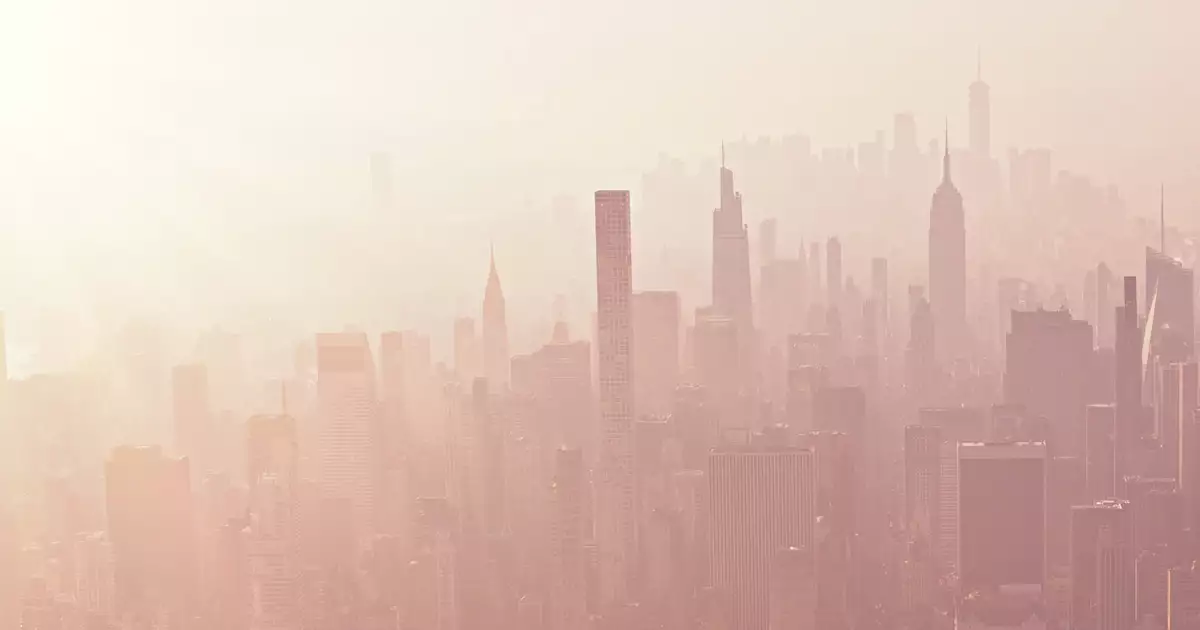
When wildfires in Manitoba ignite, the consequences are not confined to the Canadian wilderness. Instead, a transnational haze drapes itself over city skylines from New York to Dallas, turning the air itself into a vector of risk. This latest episode, with particulate matter and ozone precursors traveling thousands of kilometers, has exposed over 15 million North Americans to air-quality indices (AQI) ranging from “moderate” to “unhealthy.” The Environmental Protection Agency’s warnings are unambiguous: even AQI levels below the red zone can erode cardiopulmonary health, sap workforce productivity, and force a reckoning with the operational fragility of modern economies.
The Data Divide: Sensing, Satellites, and the Quest for Precision
The crisis lays bare a critical technological gap. While major cities benefit from dense networks of IoT-enabled air-quality monitors, vast suburban and rural corridors remain data deserts. Employers and municipal managers outside these urban cores are left to make decisions with little more than regional averages—an imprecise tool in a world where microclimates can shift block by block.
- Satellite assets such as NASA’s VIIRS and ESA’s Sentinel-5P provide sweeping views of smoke plumes, but lack the street-level granularity required to inform actionable responses—think school closures or targeted HVAC adjustments.
- Emerging solutions are fusing earth-observation data with on-premises sensors, enabling building managers and insurers to move from reactive to predictive risk management. This integration, while nascent, is rapidly becoming a competitive differentiator for platforms that straddle real estate, logistics, and insurance.
The technological arms race is not limited to data collection. As buildings assume the role of health sanctuaries, demand surges for advanced air-filtration systems—MERV-13 and above, UV-C retrofits, and even bipolar ionization. Yet, most commercial properties remain woefully underprepared for wildfire-grade particulates. Smart-building vendors promise AQI-responsive controls, but the lack of interoperability standards complicates deployment across diverse property portfolios.
Economic Reverberations: Productivity, Logistics, and the Hidden Costs of Haze
The macroeconomic consequences are immediate and diffuse. A Stanford study from 2022 quantifies the cost: a mere 10-µg/m³ uptick in PM2.5 can trigger a 0.35% drop in same-day labor output. Multiply that across millions of workers, and the drag on regional GDP becomes more than a rounding error—it is a material threat to economic momentum.
- Healthcare systems and telemedicine providers, such as Teladoc, experience a surge in respiratory consultations—short-term revenue for some, but a harbinger of longer-term cost pressures for insurers and public health agencies.
- Supply chains feel the strain as freight operators, bound by health and safety standards, curtail operations in “unhealthy” AQI zones. The ripple effect is acute: tighter logistics just as retailers ramp up for back-to-school and holiday inventory cycles, and aviation hubs from Newark to LaGuardia confront cascading delays.
- Energy markets are not immune. As windows close and HVAC systems strain, electricity demand spikes. During last June’s smoke event, ERCOT logged a 2 GW surge in load, with natural gas peakers reaping the benefits while solar output faltered under the pall.
Strategic Imperatives: Regulation, Insurance, and the New Playbook for Resilience
The borderless nature of wildfire smoke exposes the limits of siloed national policies. There is growing bipartisan appetite for cross-border emissions compacts and a likely recalibration of AQI thresholds, reminiscent of the European Union’s tightening of nitrogen dioxide standards. For publicly traded companies, pending SEC climate-risk disclosure rules may soon require explicit accounting of chronic smoke exposure as a material operational hazard—forcing a shift from reactive adaptation to proactive investment.
Insurers, meanwhile, are already recalibrating. While wildfire proximity has long been a factor in risk models, business interruption clauses tied to air-quality events are the next frontier. Logistics hubs and data centers without certified filtration and sensor systems may soon face premium hikes, prompting a wave of retrofits and sensor deployments.
For decision-makers, the implications are clear:
- Invest in resilience: Quantify the productivity losses tied to suboptimal AQI and weigh them against the ROI of advanced filtration—payback periods are shrinking.
- Integrate data: Fuse satellite and ground-sensor streams into enterprise resource planning and supply-chain tools to anticipate and mitigate disruptions.
- Engage in policy: Shape emerging multi-state air-quality compacts to secure pragmatic thresholds and transition incentives.
- Diversify portfolios: Reevaluate geographic concentration risks, considering near-shoring or dual-sourcing to regions less susceptible to smoke-driven shutdowns.
The Contours of a Smoke-Prone Economy
The Manitoba fires are not an isolated environmental anomaly; they are a harbinger of the operational, technological, and regulatory landscape of a climate-constrained era. As climate adaptation technologies—sensor fusion, mobile filtration, AI-driven plume forecasting—attract new capital, and as real estate investment trusts tout superior indoor air indices to capture ESG-driven premiums, the market is recalibrating. Consumer patterns shift, too, with prolonged smoke events driving up at-home media consumption and e-commerce, forcing retailers to rethink inventory and marketing strategies.
Firms that treat air quality as a strategic key performance indicator, rather than a meteorological footnote, will not only preserve productivity but seize new markets and build resilience against a future where the air itself is an unpredictable asset and liability. In this evolving geography of risk, the winners will be those who see smoke not just as a crisis, but as a catalyst for reinvention.

 By
By
 By
By
 By
By
 By
By


 By
By