
Couture as Narrative: Margot Robbie’s “Wuthering Heights” and the New Red-Carpet Economy
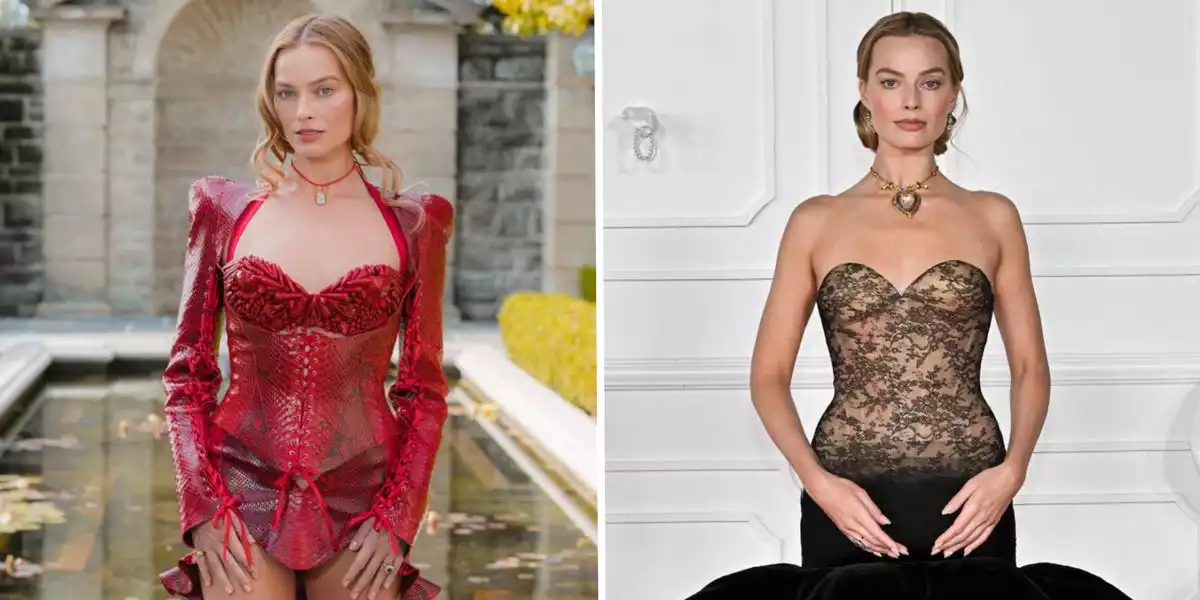
Margot Robbie’s global press tour for Emerald Fennell’s “Wuthering Heights” is no ordinary promotional circuit. Instead, it is a meticulously orchestrated spectacle, where every couture ensemble and historic jewel is both a visual feast and a coded message. The campaign’s wardrobe—ranging from Mark Gong’s minimalist daywear to Alexander McQueen’s sculptural evening pieces, Dilara Findikoglu’s subversive leathers, and a Schiaparelli gown crowned by Elizabeth Taylor’s legendary Taj Mahal diamond—transcends mere fashion. Each look is a narrative cipher, referencing the film’s gothic romanticism while leveraging the gravitational pull of heritage luxury. The result: a campaign that blurs the lines between cinematic storytelling, luxury commerce, and digital-era spectacle.
Heritage Arbitrage and the Rise of Story-Driven Luxury
At the heart of this campaign lies a shrewd economic calculus. The red carpet, once a backdrop for fleeting glamour, now serves as a serialized marketing engine for film studios, fashion houses, and jewelers alike. The reach of a single premiere moment rivals that of a Super Bowl ad, yet delivers its impact with a fraction of the direct spend. This is not just about visibility; it is about value creation through “heritage arbitrage.” By reintroducing archival treasures like the Taj Mahal diamond into the cultural bloodstream, brands breathe new life—and price appreciation—into dormant assets. The effect is twofold:
- Resale and Brand Equity: Vintage pieces, once relegated to vaults, are re-monetized through high-visibility placements, elevating both resale values and brand prestige.
- Sustainability and Provenance: The embrace of traceable, artisan-crafted couture aligns with evolving EU sustainability mandates, while the glamorization of rare materials compels brands to invest in transparent provenance data and blockchain-anchored certificates.
This interplay of heritage and innovation is not accidental. It is a strategic response to the fatigue of traditional advertising, offering an organic press cycle that algorithmic ad-buying cannot replicate. Robbie’s wardrobe choices, echoing the film’s themes of romantic fatalism and gothic sensuality, transform fashion into a form of “plot placement”—a subtle but powerful evolution from product placement, where the line between content and commerce dissolves.
Data, Digital Twins, and the Metaverse Frontier
Every appearance on the press tour is more than a photo opportunity; it is a discrete data event. Engagement metrics, sentiment analysis, and demographic resonance are harvested in real time, informing both fashion house assortment planning and studio audience targeting. The implications are profound:
- Rapid Iteration: Social listening tools enable luxury brands to identify which couture details resonate, allowing for rapid translation into ready-to-wear or capsule collections—compressing the traditional 18-month fashion cycle into a matter of weeks.
- Digital Twin Deployment: Forward-thinking labels are digitizing couture looks as 3-D “digital twins,” primed for in-game use, NFT drops, and virtual try-ons. This not only generates incremental IP revenue but also stress-tests the infrastructure for the metaverse’s next wave.
For technology vendors, the opportunity is clear: augmented-reality commerce tools, photorealistic rendering, and blockchain-based ownership solutions are rapidly becoming table stakes in a sector where regulatory scrutiny and consumer expectations are rising in tandem.
Strategic Imperatives for a Convergent Future
The Robbie-Fennell campaign is a harbinger of a broader structural shift. Studios and streaming platforms are now advised to budget for “fashion integration” at the script stage, ensuring exclusivity and offsetting ballooning talent marketing fees. Luxury houses, meanwhile, must treat red-carpet placement as a data-rich product launch, leveraging real-time analytics to inform design and merchandising decisions. Investors should track cross-sector KPIs—correlating box-office or streaming spikes with brand engagement metrics—to identify underpriced synergies in integrated media portfolios.
Perhaps most striking is the emergence of “story-driven luxury” as a competitive moat. Platforms that command both narrative IP and prestige fashion alliances are poised to capture a scarcity premium as intangible-asset monetization outpaces physical production. As the entertainment-fashion economy pivots toward unified storytelling, data analytics, and heritage luxury, those who master the convergence—while meeting rising standards for sustainability and transparency—will define the next era of cultural and commercial influence.
In this new landscape, the red carpet is no longer just a stage for celebrities; it is the crucible where narrative, commerce, and technology fuse, setting the pace for an industry in metamorphosis.

 By
By
 By
By

 By
By
 By
By

 By
By
 By
By