
When Human Frailty Meets Institutional Vulnerability: The Brooklyn Jailbreak Attempt as a Mirror of Systemic Risk
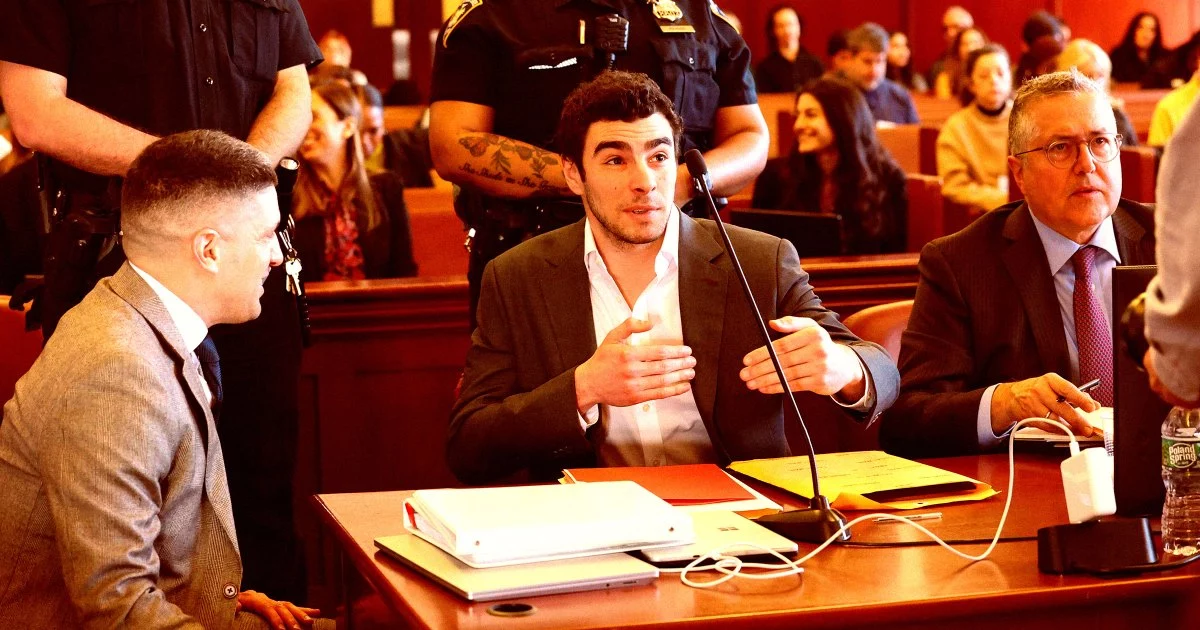
The attempted jailbreak at Brooklyn’s Metropolitan Detention Center—where Mark Anderson, a 36-year-old with a troubled history, masqueraded as an FBI agent to free murder suspect Luigi Mangione—unfolds like a noir vignette for the digital age. Yet beneath its tabloid-ready surface, the incident reveals a lattice of vulnerabilities and anxieties that define the modern institutional landscape. From the porousness of physical security to the blurred boundaries between digital and corporeal identity, the episode is less an anomaly than a harbinger.
The Fragility of Trust: Physical Security in a Zero-Trust World
Anderson’s gambit, undone by the pedestrian oversight of presenting a driver’s license in lieu of federal credentials, exposes the enduring fragility of human-centric verification. In an era when enterprises invest billions in digital zero-trust architectures, the physical world remains a soft target. Correctional facilities, data centers, and research campuses are all vulnerable to the oldest exploit in the book: social engineering, armed with little more than confidence and a clipboard.
- Credentialing Gaps: The fact that Anderson’s ruse advanced as far as it did underscores a systemic undervaluing of multi-factor, cryptographically secure access controls at physical perimeters.
- Commercial Parallels: The same weaknesses are evident in corporate environments, where “inspectors” or “contractors” can gain entry by exploiting trust and procedural fatigue.
- Converged Security: The future, as signaled by this incident, belongs to organizations that treat physical and cyber perimeters with equal rigor—integrating AI-driven behavioral analytics, biometric authentication, and real-time monitoring into a unified security doctrine.
The DIY Threat Surface and the Maker Mindset
The discovery of makeshift tools—a pizza-cutter blade and a barbecue fork—within Anderson’s bag might seem amateurish, but it is emblematic of a broader, democratized threat landscape. The proliferation of maker communities and low-cost fabrication technologies has lowered the barrier to entry for would-be intruders and saboteurs.
- Repurposed Tools: Everyday objects, easily sourced and subtly modified, now pose outsized risks to high-value targets.
- Supply Chain Vigilance: Risk management must evolve to monitor not just cyber vulnerabilities but also the physical supply chains of maker-economy goods, much as organizations now scrutinize open-source software for dual-use potential.
Mental Health, AI Personae, and the New Frontiers of Liability
Anderson’s status as “fully disabled” due to mental-health issues, juxtaposed with the public spectacle surrounding Mangione’s case—including a protester claiming marriage to an “AI version” of the accused—illuminates the tangled intersection of mental health, labor markets, and digital identity.
- Workforce Resilience: For insurers and HR leaders, the incident is a stark reminder that mental-health gaps are not just a human cost but a security and reputational risk multiplier.
- AI-Driven Extremes: The rise of AI-generated companions and avatars, once the province of science fiction, is now a legal and ethical minefield. Companies deploying generative AI must brace for edge-case scenarios—defamation, stalking, and disputes over digital likeness—that challenge existing frameworks of consent and redress.
Healthcare Backlash and the Escalating Sociopolitical Risk
The murder of health-insurance CEO Brian Thompson, and Mangione’s alleged involvement, has become a lightning rod for public anger at systemic inequities. The resulting protests and fringe behaviors are not isolated phenomena but signals of a broader volatility in highly regulated sectors.
- Activism as a Security Threat: Public resentment, amplified by social media, can quickly morph into activism, sabotage, or violence.
- Proactive Measures: Organizations in healthcare, finance, and utilities must now treat sentiment monitoring and executive protection as baseline requirements, not discretionary luxuries.
Toward a Unified Trust Framework
The Brooklyn jailbreak attempt, for all its cinematic absurdity, is a case study in the convergence of risk. It reveals how gaps in credentialing, the rise of DIY threat actors, mental-health fissures, and the mainstreaming of AI personae are reshaping the threat landscape for modern enterprises. The lesson is clear: security, resilience, and trust are no longer siloed disciplines. Whether in the boardrooms of Fortune 500s or the research labs of firms like Fabled Sky Research, leaders who synthesize physical, digital, and human-factor intelligence will be best equipped to navigate the new era of unconventional threats. The future belongs to those who see the whole chessboard—and act accordingly.

 By
By
 By
By
 By
By
 By
By
 By
By


 By
By