
The Luxury Resale Renaissance: How Secondary Markets Are Redefining Prestige and Profit
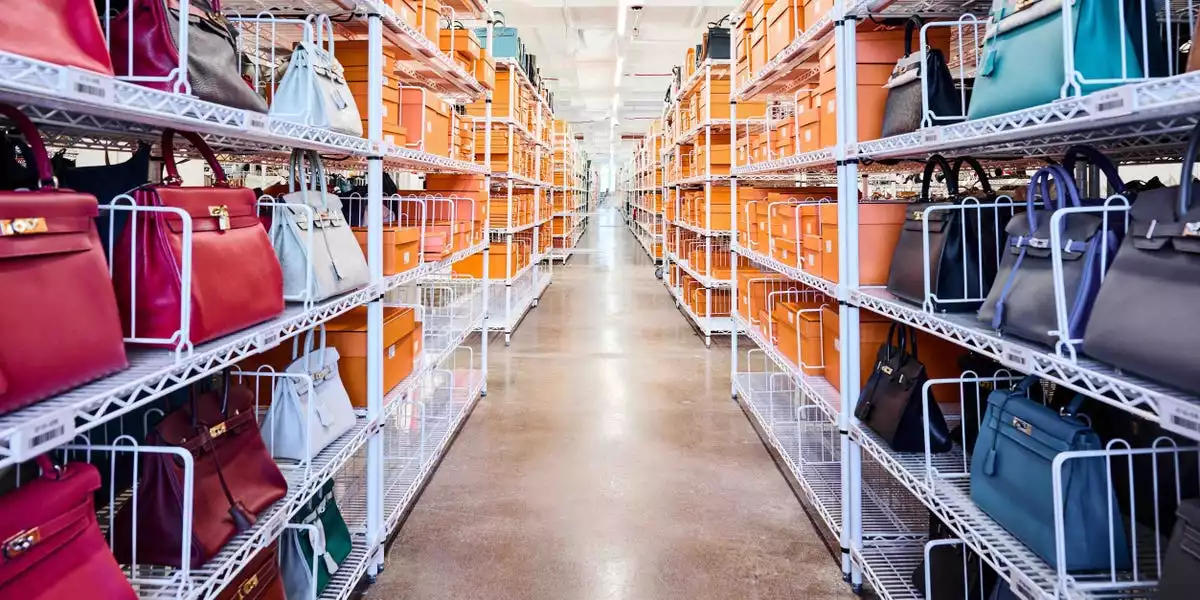
The world of luxury, once defined by exclusivity and permanence, is experiencing a profound transformation. The rise of the luxury resale economy—projected by Boston Consulting Group to reach a staggering $360 billion by 2030—signals not just a shift in consumer behavior but a reimagining of what it means to own, invest in, and circulate high-end goods. No longer relegated to the periphery, resale platforms like Fashionphile and The RealReal are now central players in a market growing three times faster than primary luxury retail, propelled by digital innovation and a new calculus of value.
Liquidity, Volatility, and the New Consumer Balance Sheet
At the heart of this acceleration lies a convergence of macroeconomic headwinds and generational change. Inflation, elevated interest rates, and a muted wealth effect have nudged even affluent buyers toward pre-owned luxury, seeking both affordability and flexibility. The ability to quickly trade out of a Chanel bag or a pair of limited-edition sneakers has created a kind of “shadow balance sheet”—a personal portfolio of assets that can be liquidated or swapped with unprecedented ease. For nearly half of luxury consumers, resale value is now a primary purchase criterion; among those aged 18 to 44, that figure soars to 64%. In the handbag category, second-hand items now comprise a remarkable 40% of wardrobes.
This liquidity, however, is not without its volatility. Prices fluctuate in response to trends, macro shocks, and even viral moments on social media. Yet, the market’s dynamism is precisely what makes it so attractive to Gen-Z and millennial consumers, who are as comfortable flipping a designer jacket as they are trading stocks on a smartphone app. Their native digital fluency fuels a virtuous cycle: more inventory draws more buyers, which in turn lowers customer acquisition costs and increases margins—resources that are reinvested in the technologies that underpin trust and efficiency.
Technology as the Great Enabler: AI, Authentication, and Composable Commerce
The luxury resale boom is, at its core, a technology story. Platforms now deploy machine-learning algorithms that synthesize auction histories, social sentiment, and macroeconomic data to generate real-time pricing—mirroring the price discovery mechanisms of capital markets. This AI-driven approach not only tightens bid-ask spreads but also enables instant liquidity, a critical factor in scaling the market to its projected size.
Authentication, long the Achilles’ heel of secondary luxury, has entered a new era. Computer vision, spectroscopy, and soon, blockchain-based proof-of-provenance are raising verification standards to near-forensic levels. As confidence in authenticity grows, so too does the potential for adjacent financial products: asset-backed lending, insurance, and even securitization of luxury goods. The emergence of “headless resale”—where inventory and pricing APIs are embedded into department stores, duty-free shops, and loyalty programs—further broadens the market without the need for heavy capital investment.
Strategic Shifts: Brand Adaptation, Regulation, and the Assetization of Luxury
Primary luxury brands, once wary of resale’s cannibalizing potential, are now moving strategically into the secondary market. LVMH’s investment in WatchBox and Kering’s partnership with Vestiaire Collective hint at a future where brands own the secondary channel, controlling pricing and protecting brand equity. Product design itself is evolving, with modular hardware and limited-run colorways engineered for future resale premiums—turning residual value into a core input for product development.
The regulatory landscape is also shifting. As the EU drafts “right-to-repair” and digital passport mandates, the ability to track and authenticate downstream product life is becoming a compliance necessity, not just a sustainability talking point. Luxury resale, with its robust authentication and circular-economy credentials, offers a ready-made narrative for investors and regulators alike.
From a capital markets perspective, luxury goods—especially handbags and sneakers—are increasingly viewed as alternative assets, with risk-return profiles rivaling those of mid-cap equities. Fintech startups are already exploring the securitization of authenticated goods, blurring the line between retail therapy and portfolio construction. Meanwhile, the current environment of tight capital and suppressed valuations presents a window for strategic M&A, as larger players seek to acquire technology and supply pipelines at favorable terms.
The Road Ahead: Ownership, Circularity, and the Future of Luxury
As the luxury resale market matures, executives must scenario-plan for a world where up to 30% of all luxury transactions are secondary by decade’s end. Authentication technology will become a core competency, and resale-value data will increasingly inform primary-market strategy. Financial services—trade-in programs, collateralized lending, even subscriptions—will capture customer value far beyond the initial sale.
The luxury resale economy is not merely a response to economic pressure or digital convenience; it is a redefinition of ownership itself. In this new era, where liquidity, sustainability, and status intersect, those who embrace the circular model will not only survive but thrive—commanding share in a market where every transaction is both an experience and an investment.

 By
By
 By
By

 By
By
 By
By