


Where Infant Nutrition Meets Experiential Indulgence: The Strategic Calculus Behind Breast-Milk-Flavored Ice Cream
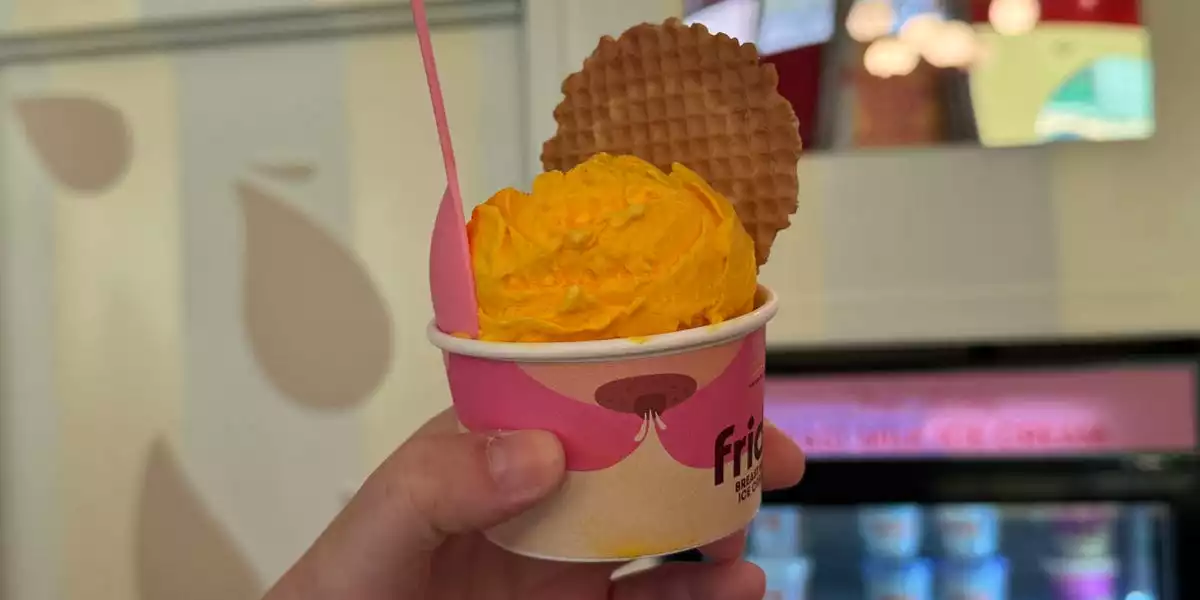
On a humid August afternoon, the intersection of infant care and culinary adventure found a new epicenter: a limited-edition “breast-milk-flavored” ice cream, the brainchild of Frida and OddFellows Ice Cream. Timed to National Breastfeeding Awareness Month, this audacious collaboration does more than titillate the taste buds—it signals a profound shift in how consumer packaged goods (CPG) brands weaponize novelty, functional nutrition, and social mission to capture the cultural moment and, crucially, the consumer’s data.
Provocation as Product: The Mechanics of Modern CPG Storytelling
The partnership between Frida—a darling among millennial and Gen-Z parents for its frank approach to infant care—and OddFellows, a fixture in the urban food explorer’s itinerary, is emblematic of a new breed of cross-category collaborations. Their ice cream, crafted with cow’s milk and a whisper of bovine colostrum, is not merely a flavor experiment. It’s a calculated foray into the expanding universe of functional foods, where the line between indulgence and wellness grows ever more porous.
Key elements driving this launch:
- Functional Ingredient Innovation: Bovine colostrum, long prized for its immunity-boosting properties, offers a regulatory-friendly stand-in for human bioactives. It provides a bridge to the “immunity & early-life nutrition” narrative, sidestepping the FDA scrutiny that would accompany human-derived ingredients.
- Scarcity and Spectacle: A one-week retail window and national direct-to-consumer shipping at $12.99 per pint create a sense of urgency and exclusivity. This limited-time offer (LTO) is less about mass sales and more about orchestrating a media spectacle—out-of-home ads and viral coverage that generate impressions at a fraction of traditional campaign costs.
- Data as Currency: Each online purchase becomes a datapoint in a living “digital clinical trial,” feeding anonymized geo-nutrition preference data back to the brand. For Frida, this is a goldmine for future product development in lactation supplements and mother-baby SKUs.
The Economic Rationale: Functional Foods, Experience, and Margin Multipliers
The global appetite for functional and fortified foods is surging, with the market projected to reach $530 billion by 2028. Within this landscape, products targeting the “first 1,000 days” of life—where nutrition is most critical—are among the fastest-growing. Yet, the post-pandemic consumer, squeezed by inflation, still finds room for premium, experience-led treats. In the US, premium ice cream has not only weathered economic headwinds but grown by 6.5% year-over-year, with novelty LTOs outperforming standard SKUs by two to three times on margin.
Strategic levers at play:
- Earned Media ROI: The campaign’s provocative nature ensures that every dollar spent on paid advertising is eclipsed by four to six dollars in earned media value. The halo of a social cause—breastfeeding awareness—further amplifies its reach.
- Retail and Supply Chain Agility: For retailers, such collaborations drive foot traffic and justify the allocation of “innovation endcaps” or rotating freezer space. The challenge lies in supply chain nimbleness, as short-cycle launches demand rapid cold-chain logistics and SKU rationalization.
Implications for the Next Wave of Food and Biotech Innovation
The public’s enthusiastic embrace of a breast-milk analogy, even in ice cream form, is a harbinger for what’s to come. It suggests a readiness—perhaps even an eagerness—for more sophisticated bio-identical proteins and functional ingredients, from lab-grown human milk oligosaccharides (HMOs) to precision-fermented lactoferrin. For technology and bio-nutrition firms, this signals open lanes for licensing, co-manufacturing, and direct-to-consumer experimentation.
For industry stakeholders, the playbook is clear:
- Brand Owners: Cause-flavored SKUs are efficient engines for brand equity and first-party data, with minimal capital risk.
- Retailers: Expect a proliferation of small-batch, high-theater collaborations that demand new merchandising strategies.
- Investors: The convergence of experiential CPG surfaces with functional biotech cores is proving to be a fertile ground for venture capital, as novelty becomes a cost-effective customer acquisition tool.
As regulatory agencies revisit guidelines on “humanized” functional ingredients, early consumer conditioning via bovine colostrum could smooth the path for future, more advanced bio-actives. Meanwhile, legacy baby formula giants may find their category boundaries eroding as breast-milk-inspired foods migrate into adjacent aisles, challenging long-held market silos.
What emerges is not just a fleeting ice cream flavor, but a live experiment in the future of food: where provocative storytelling, functional nutrition, and agile manufacturing converge to unlock both consumer attention and actionable behavioral data. For the CPG industry, this is less a curiosity than a blueprint—one that rewards boldness, agility, and a keen understanding of the modern consumer’s appetite for meaning, experience, and health in every bite.

 By
By

 By
By
 By
By
 By
By

 By
By
 By
By







