
A personal reinvention that exposes a structural fault line in tech hiring
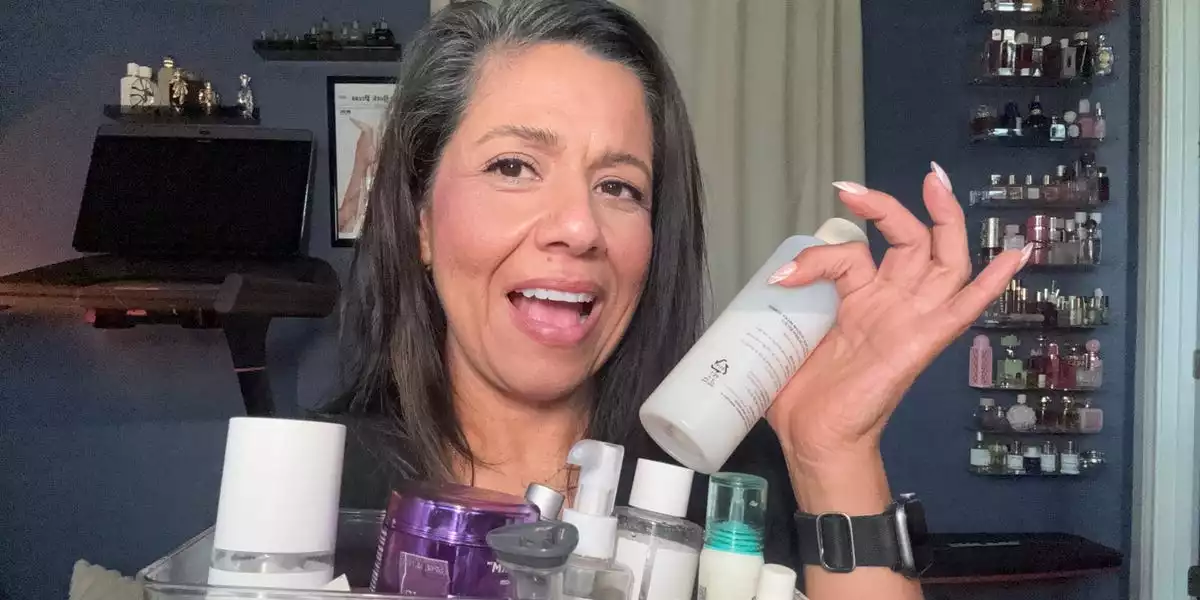
Suzie Jimenez’s response to a layoff—an intensive program of beauty, fashion, and wellness upgrades aimed at countering age bias in the technology labor market—lands as both deeply personal and uncomfortably systemic. At 52, and with decades of talent-acquisition experience, she is not describing a skills deficit. She is describing a perception problem: the lingering assumption that older candidates are less innovative, less adaptable, or less fluent in modern tools.
That assumption persists despite a labor market that routinely claims to prize leadership maturity, stakeholder management, and operational judgment—competencies that typically compound with time. Jimenez’s actions, from hair-coloring and extensions to modernized interview attire and “biohacking”-adjacent wellness routines, read as a pragmatic attempt to remove friction from the first screening moment: the instant a recruiter, hiring manager, or algorithm decides whether someone “looks current.”
Her story underscores a difficult truth for employers: ageism is often most powerful when it is least explicit. It can appear as “culture fit,” “energy,” “digital native,” or “fresh perspective”—language that sounds neutral while functioning as a proxy for youth. When experienced professionals feel compelled to invest in aesthetic transformation to remain competitive, the market signal is clear: the hiring system is rewarding presentation cues that correlate with age, not necessarily performance.
—
Beauty-tech, wellness stacks, and the rise of consumer-grade “professional readiness”
Jimenez’s regimen is also a window into a fast-maturing commercial ecosystem: consumer-grade aesthetic technology and preventive wellness. Red-light therapy devices, high-potency serums inspired by Korean skincare routines, lash and lip enhancements, and structured fitness and mindfulness practices are no longer niche indulgences. They are increasingly packaged as measurable, repeatable interventions—marketed with the language of optimization.
Several business and technology dynamics converge here:
- Clinical tools moving into the home: Devices and formulations once associated with dermatology clinics are being miniaturized, commoditized, and sold direct-to-consumer. This expands the addressable market for at-home devices, subscription skincare, and guided protocols.
- Data-driven self-presentation: The modern professional brand is no longer limited to a résumé and LinkedIn profile. It is increasingly supported by routines that resemble “stacks”—a blend of cosmetics, wearables, supplements, and therapies designed to improve appearance, energy, and confidence.
- The “silver economy” as a growth engine: Jimenez’s spending patterns reflect a broader demographic reality: older consumers hold substantial purchasing power and are willing to invest in products that promise vitality and relevance. For product leaders, this is not merely a wellness trend; it is a demand curve shaped by aging workforces in North America and Europe.
The strategic implication for companies is twofold. First, there is a clear opportunity for beauty-tech and wellness platforms to build credible, evidence-informed personalization—without drifting into overpromising or medicalized marketing. Second, employers should recognize that when workers feel pressured to self-fund “employability upgrades,” it may indicate gaps in organizational support, from benefits design to inclusive culture.
—
HR tech, applicant-tracking systems, and the quiet mechanics of age discrimination
Jimenez’s experience also raises a sharper question: how much of today’s age bias is human, and how much is automated? As organizations rely on AI-powered applicant-tracking systems (ATS) and algorithmic screening, the risk is not only overt discrimination but the amplification of subtle signals.
Age can be inferred from seemingly innocuous markers, including:
- Graduation dates and early career timelines
- Length of work history and seniority keywords
- Older email domains or formatting conventions
- Social profiles that reveal tenure, photos, or generational cues
Even when age is not explicitly used, models trained on historical hiring outcomes can learn patterns that mirror past preferences—effectively encoding yesterday’s bias into today’s workflow. The result is a feedback loop: fewer older candidates advance, so the system “learns” that older profiles correlate with rejection.
For business leaders, the governance agenda is becoming clearer and harder to avoid:
- Audit recruiting algorithms for age-related disparate impact, not just gender or race
- Use structured interviews and standardized scorecards to reduce subjective “fit” judgments
- Consider age-blind screening elements where feasible (e.g., removing graduation years)
- Establish cross-functional oversight across HR, legal, and data science to validate models and document outcomes
This is not only a compliance issue. It is a talent strategy issue. In a market where institutional knowledge, risk management, and execution discipline are competitive advantages, systematically filtering out experienced candidates is a self-inflicted constraint.
—
What forward-looking employers and product builders can learn from Jimenez’s signal
Jimenez’s story is not simply about one candidate’s resilience; it is a diagnostic of how work, identity, and technology are colliding. Companies that want to compete for talent across age cohorts are likely to differentiate through age-inclusive hiring design and credible well-being value propositions—not as perks, but as infrastructure.
Practical moves that align with both productivity and inclusion include:
- Lifelong learning as a default benefit: modular upskilling, mentorship exchanges, and role-based digital reskilling that treats experience as leverage, not baggage
- Age-diverse leadership pipelines: explicit pathways for senior ICs and leaders that don’t force artificial “down-leveling” to re-enter the market
- Holistic benefits that match reality: mental health support, preventive care, and evidence-based wellness programs that acknowledge confidence and performance are linked
Meanwhile, for the beauty-tech and health-tech sectors, the opportunity is to serve an expanding market without exploiting insecurity: personalization, privacy-preserving data practices, and clinically grounded claims will separate durable brands from short-lived hype.
Jimenez is adapting to the market as it is. The more consequential question is whether employers—especially in technology—will adapt to the workforce they increasingly have: older, experienced, and still fully capable of innovation, provided the system stops mistaking youth for potential.

 By
By
 By
By

 By
By
 By
By


 By
By