
The Hidden Depths of Apple’s Liquid Glass and Security Toggles
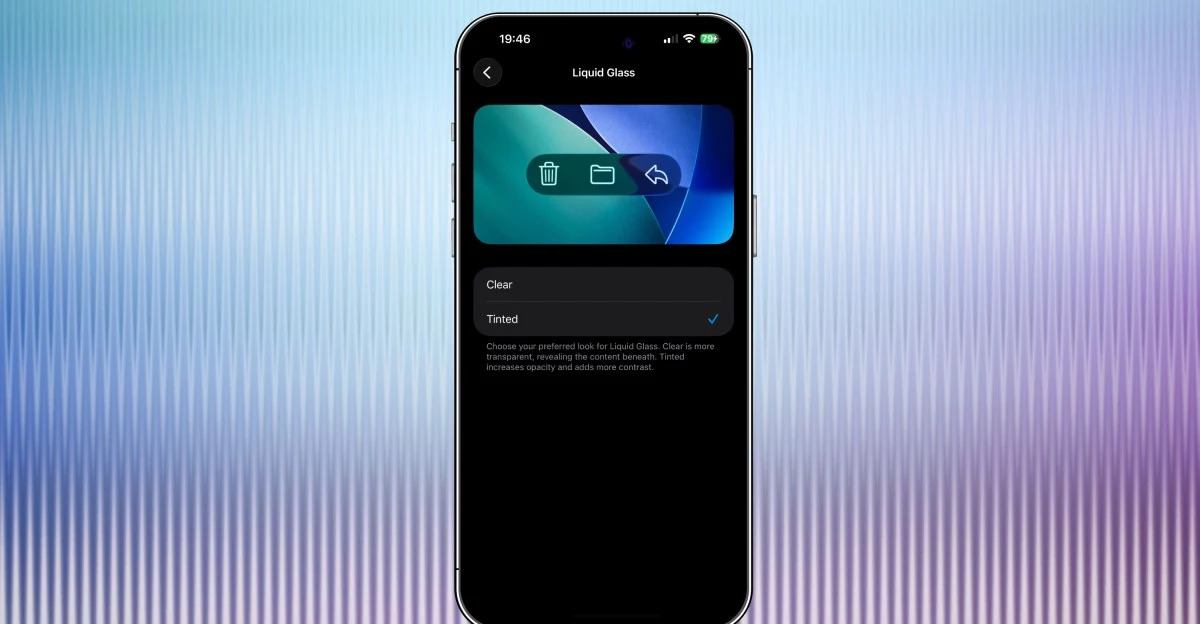
Apple’s iOS 26.1, iPadOS 26.1, and macOS 26.1 developer betas have arrived with a pair of upgrades that, while subtle on the surface, ripple through the company’s design, security, and ecosystem strategies. The introduction of adjustable opacity in the Liquid Glass interface and the ability to disable the lock-screen camera swipe are more than mere cosmetic tweaks—they are harbingers of Apple’s evolving ambitions in user experience, enterprise compliance, and the coming age of spatial computing.
Liquid Glass 2.0: Beyond Aesthetics, Toward Adaptive Interfaces
The Liquid Glass interface, once a static layer of preset translucency, now emerges as a shader-driven, parameter-based asset. This architectural shift is not just about visual flair. By enabling adjustable opacity, Apple is laying the groundwork for:
- Dynamic, context-aware translucency—imagine interfaces that auto-tint in response to ambient light or user focus, enhancing both usability and battery efficiency.
- Cross-platform rendering consistency—the simultaneous rollout across iOS, iPadOS, and macOS, likely sharing code with visionOS, signals a unified pipeline. This leverages Apple’s silicon and Metal optimizations, yielding lower power draw and longer device lifespan.
- Accessibility at the core—variable opacity directly addresses longstanding color-contrast concerns, particularly for enterprise customers bound by ADA and WCAG regulations. For developers, this delivers a clear incentive to embrace Apple’s design language, sidestepping potential legal pitfalls.
These enhancements are not merely technical; they are strategic. By making micro-customization accessible, Apple increases user retention and device satisfaction, critical in a market where perceived novelty can slow the churn toward Android competitors. The energy savings from more efficient screen rendering, while incremental, bolster Apple’s sustainability narrative—an increasingly potent differentiator as ESG (Environmental, Social, Governance) scrutiny intensifies among global investors.
Security and Compliance: Locking Down the Physical Attack Surface
The new option to disable lock-screen camera access reflects a sharpened focus on device security. This move is less about user convenience and more about closing “cold boot” attack vectors—those fleeting moments when a device, still locked, exposes sensitive features like the camera or wallet to potential exploitation.
- Enterprise alignment—the camera toggle dovetails with Mobile Device Management (MDM) APIs, empowering regulated industries to enforce sensor lockdowns. Sectors such as healthcare, finance, and critical infrastructure can now more easily comply with HIPAA, SEC, or NERC CIP mandates.
- Regulatory anticipation—by foregrounding sensor controls, Apple is signaling its alignment with global privacy trends and preempting the demands of the EU’s Digital Markets Act and looming U.S. privacy legislation.
This is not a one-off. The expectation is that similar toggles for microphones and biometric sensors will follow, further hardening Apple’s devices as the gold standard for enterprise security.
The Strategic Arc: From UI Micro-Tunability to Spatial Computing Foundations
Apple’s incrementalism is rarely accidental. The Liquid Glass interface, with its depth-of-field metaphors and adaptive translucency, subtly acculturates users to the visual logic of spatial computing. As visionOS and mixed-reality hardware loom on the horizon, Apple is preparing its vast install base for a future where parallax, layering, and transparency are not novelties, but necessities.
- Developer leverage—by exposing opacity parameters in future SDKs, Apple will nudge third-party developers toward its UI paradigms, deepening their reliance on proprietary frameworks and making cross-platform migration ever more challenging.
- Monetization pathways—advanced theming may soon be reserved for iCloud+ subscribers or enterprise device management bundles, transforming personalization into a recurring revenue stream.
- Hardware synergy—as Micro-LED displays become standard, features like tinted Liquid Glass will exploit their superior contrast, further blurring the line between software and hardware innovation.
Regulatory winds are shifting as well. The growing momentum behind right-to-repair and platform openness may force Apple to offer even deeper user controls—turning compliance from a burden into a brand advantage for those who anticipate and embrace it early.
Executive Imperatives: Reading the Signals, Shaping the Future
For technology leaders, these updates are a call to action:
- Design and product teams should begin prototyping adaptive translucency, anticipating user expectations set by Apple’s evolving standards.
- Security officers must integrate new sensor toggles into policy frameworks, preparing for a cascade of similar controls.
- Hardware partners would be wise to align roadmaps with Apple’s narrative linking UI innovation to energy efficiency.
- Investors should track user engagement with Liquid Glass customization as a leading indicator of upsell potential and ecosystem stickiness.
Apple’s latest beta, though modest in appearance, signals a profound convergence of personalization, security, and spatial computing readiness. Those who read between the lines—and act—will find themselves ahead of the next inflection point in the platform’s evolution. In a landscape where the smallest interface detail can presage a seismic shift, the Liquid Glass update is anything but superficial.

 By
By
 By
By
 By
By
 By
By

 By
By
 By
By
 By
By