

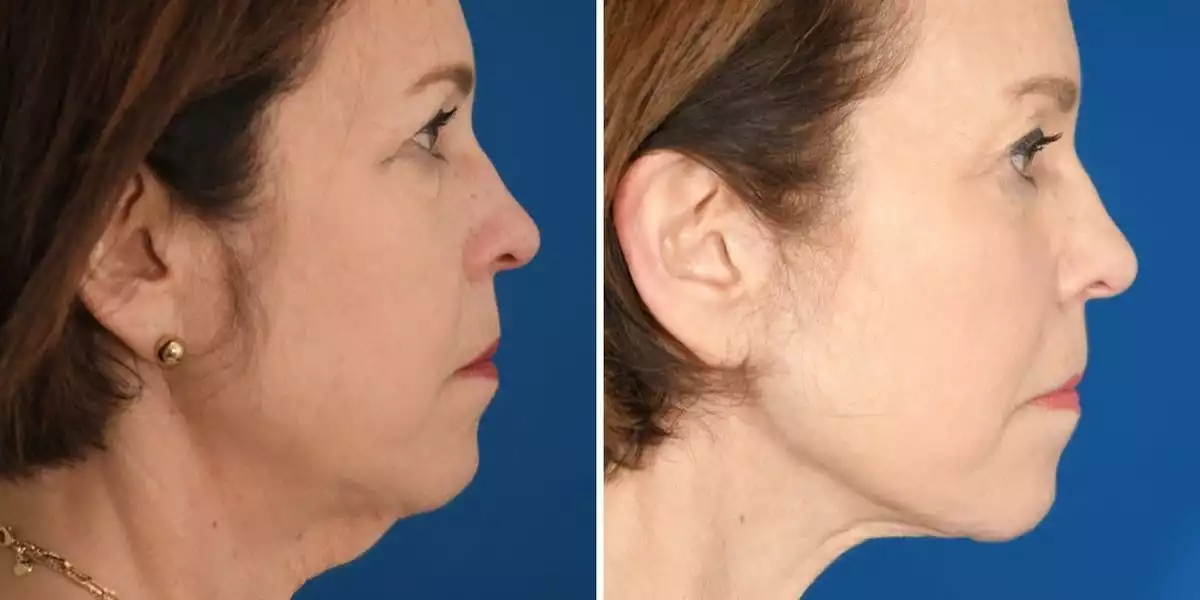

When cosmetic medicine becomes a line item in professional brand strategy
Susan DiLeo, a 65-year-old New York City real estate agent with 14 years in the field, has spent more than $33,000 on cosmetic procedures—ranging from a near-full facelift and laser treatments to microneedling and Botox—plus ongoing maintenance costs. On its surface, the story reads like a personal makeover. In a business context, it functions more like a case study in personal brand management within a high-trust, high-competition service industry.
Real estate—particularly in premium urban markets—runs on perception as much as performance. Clients often interpret cues like energy, polish, and confidence as proxies for competence, responsiveness, and network strength. DiLeo’s stated goal is not to “look younger” in a purely aesthetic sense, but to align her outward appearance with the vitality she brings to her work, reinforcing the credibility of her professional presence.
Her openness about the procedures adds a second layer: transparency can reduce stigma, normalize elective aesthetic care, and reposition it as a pragmatic choice rather than a secretive indulgence. In client-facing roles where rapport and first impressions matter, that candor can itself become part of the brand—signaling decisiveness, self-awareness, and comfort in one’s own narrative.
Key business signals embedded in DiLeo’s experience include:
- Appearance as a trust accelerant: In relationship-driven sales, visual cues can shorten the time it takes to establish confidence.
- Competitive positioning in age-diverse workplaces: A refreshed look can help seasoned professionals feel socially fluent among younger colleagues without erasing experience-based authority.
- Confidence as performance infrastructure: Whether placebo or not, increased self-assurance can translate into better client interactions, more assertive negotiation, and higher stamina for the job’s social demands.
Aesthetic technology’s shift from “beauty” to consumer-driven medtech
DiLeo’s regimen spans both surgical and non-surgical interventions, reflecting a broader industry convergence: aesthetic medicine is increasingly a hybrid of medical devices, biomaterials, and personalized protocols. The sector’s innovation trajectory is defined by reducing downtime, improving predictability, and offering modular “stacked” treatments rather than one-time transformations.
Even when the consumer experience remains largely analog—clinic visits, referrals, and word-of-mouth—the clinical backend is becoming more digital. Leading providers are adopting tools that resemble those used in other areas of precision health: imaging, simulation, and data-informed planning.
Notable technology and innovation trends shaping the aesthetic services market:
- Hybrid treatment architectures: Combining procedures (e.g., lift + laser + injectables) to optimize outcomes while managing recovery time.
- Laser-based tissue remodeling and energy devices: Continued refinement in targeting, safety profiles, and post-treatment recovery.
- AI-enabled planning and “digital twin” concepts: Growing use of 3D imaging, outcome simulation, and augmented overlays to set expectations and improve consent quality.
- Telehealth-adjacent workflows: Virtual consults and remote follow-ups increasingly complement in-person care, especially for maintenance regimens.
This is not merely a consumer trend; it is a product strategy shift. Clinics and device makers are building repeatable patient journeys—assessment, intervention, maintenance—supported by software, imaging, and subscription-like cadence. The result is a market that behaves less like episodic elective care and more like ongoing wellness infrastructure, with predictable revenue streams and deeper customer lifetime value.
The longevity economy meets Manhattan’s premium service marketplace
DiLeo’s spending pattern—significant upfront investment plus annual upkeep—maps cleanly onto the expanding longevity economy, where older consumers allocate discretionary income toward health, vitality, and appearance. In North America, aesthetic services are projected to surpass $40 billion by 2030, and the resilience of demand suggests that many consumers treat these purchases as semi-essential to their social and professional identities.
New York City adds a crucial economic dimension: affluence clustering. High-income metros concentrate both the buyers and the best-resourced providers, enabling premium pricing and rapid diffusion of new techniques. For professionals operating in these environments, elective aesthetic spending can be rationalized as an investment in service-brand equity—akin to wardrobe, marketing, staging budgets, or professional photography.
From a business lens, the return is not measured in vanity but in outcomes:
- Client acquisition and retention: A polished, energetic presentation can improve conversion in competitive listings.
- Referral velocity: Confidence and perceived vitality can influence how memorable—and recommendable—a professional becomes.
- Pricing power and positioning: In luxury segments, perception often supports premium fees and higher-value client relationships.
This dynamic also highlights a subtle labor-market reality: in sectors where “presence” is part of the product, workers may feel compelled to self-fund appearance maintenance to remain competitive—raising questions about equity, pressure, and the informal costs of employability.
Workforce and governance implications: benefits, ethics, and the next playbook
As cosmetic enhancement becomes more normalized, the boundary between personal choice and professional expectation grows more complex. DiLeo’s story illustrates how appearance can function as a competitive moat—but it also hints at emerging organizational questions: Will employers begin to treat aesthetic care like other wellness expenditures? Will “executive presence” packages quietly expand to include appearance optimization?
Forward-looking companies may experiment with benefits that mirror today’s wellness stipends:
- Wellness credits that can be applied broadly, potentially including dermatology and non-surgical aesthetic treatments
- Executive well-being bundles combining coaching, mental health support, and confidence-oriented services
- Retention strategies for mid-career and senior talent seeking to maintain professional currency in youth-skewing industries
At the same time, the technology layer introduces governance challenges. As clinics adopt AI-driven simulation and biometric imaging, regulators and compliance teams will need to scrutinize:
- Data privacy and storage for facial scans and biometric identifiers
- Truth-in-advertising standards for outcome predictions and “before/after” claims
- Cross-border teleconsultation rules as remote planning and follow-up become more common
DiLeo’s investment is ultimately a personal decision, but it also captures a broader recalibration: in modern service economies, how professionals present themselves is increasingly intertwined with how they are evaluated, and aesthetic technology is evolving to meet that demand with the sophistication—and the ethical complexity—of a mature consumer medtech industry.

 By
By
 By
By
 By
By
 By
By
 By
By


 By
By







