
Record heat as a market signal, not a weather footnote
July 2023’s designation as the hottest month in U.S. recorded history—with an average temperature of 76.89°F, eclipsing even the Dust Bowl–era July of 1936—reads less like a meteorological milestone and more like a macroeconomic indicator. A strong El Niño has acted as an accelerant, but the underlying fuel is anthropogenic warming, evident in the breadth of the anomaly: every one of the 48 contiguous states registering at least one degree above 20th-century norms.
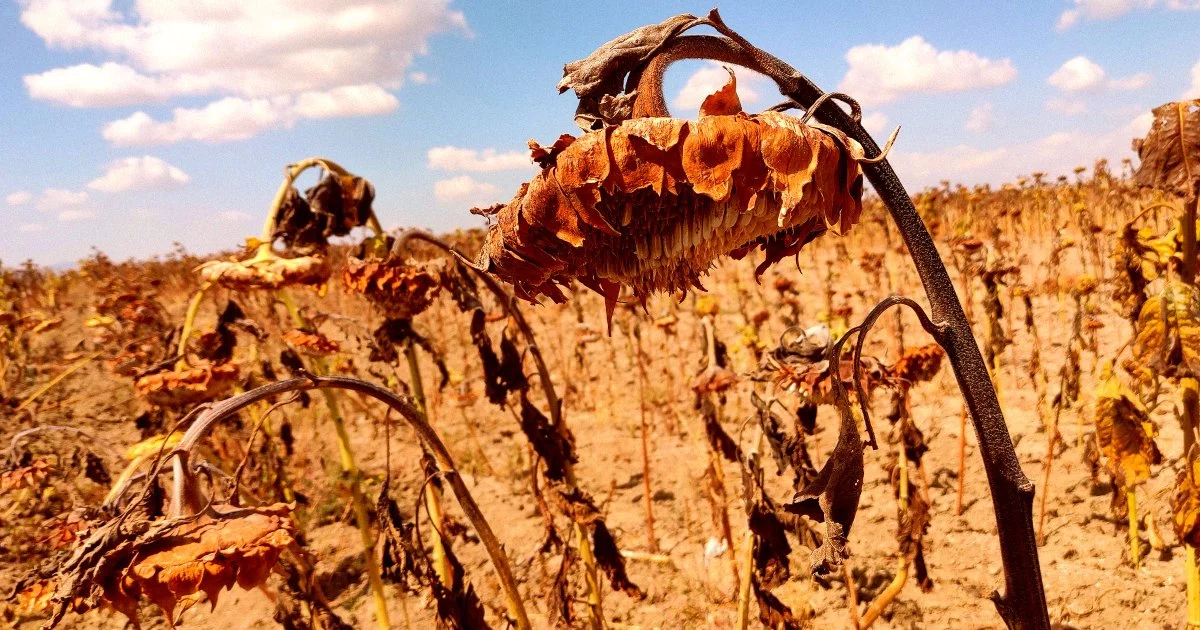
The immediate consequences are already reshaping operational realities. By early August, 71% of states were experiencing abnormal dryness or drought, tightening constraints on agriculture, water utilities, and energy systems simultaneously. Meanwhile, wildfires across North America have become a cross-border externality—degrading air quality, disrupting logistics, and contributing to an estimated 4,000 premature deaths in a single week, alongside billions of dollars in economic losses in the first half of 2026 alone.
For business leaders, the key takeaway is not simply that summers are getting hotter; it is that climate volatility is compressing decision timelines. What used to be modeled as “long-term risk” is increasingly manifesting as quarterly earnings pressure—through higher insurance premiums, workforce productivity impacts, commodity price swings, and capital expenditure shocks. Experts’ warning that this summer may prove cooler than what lies ahead reframes adaptation and emissions reduction as competitive necessities rather than reputational choices.
The emissions paradox: AI growth meets fossil-powered reliability
A defining tension in today’s climate-tech landscape is that two powerful trends are colliding: the rapid build-out of AI data centers and policy signals that can re-open or extend coal-fired generation. On paper, AI is often positioned as an enabler of efficiency—optimizing grids, forecasting weather, and improving industrial processes. In practice, the infrastructure supporting AI can carry a substantial carbon shadow, especially when reliability is secured through fossil-based backup.
One of the most underappreciated contributors is the rise of on-site natural-gas generators and gas peaker plants used to firm power for hyperscale compute. This “hidden emissions” problem is not merely an accounting nuance; it is a strategic risk that can surface through:
- Regulatory exposure, as jurisdictions tighten emissions rules for stationary generation and local air quality
- Community and permitting friction, particularly where data center clusters strain local grids and water resources
- Investor scrutiny, as climate disclosures mature from aspirational targets to auditable, asset-level emissions profiles
- Cost volatility, given gas price sensitivity and potential carbon pricing or carbon border adjustments
The implication for technology leaders is clear: compute expansion strategies now require full life-cycle carbon analysis, including backup power, grid mix, construction materials, and cooling loads. Siting decisions that once prioritized latency and tax incentives must increasingly weigh grid decarbonization trajectories, transmission constraints, and resilience to heat-driven demand spikes.
At the same time, this collision is catalyzing a new market for distributed energy and storage. As pressure mounts to reduce reliance on coal and gas peakers, demand is accelerating for:
- Grid-scale batteries and long-duration storage to smooth renewable intermittency
- Microgrids that can island critical facilities during heat waves and wildfire-related outages
- Hydrogen blending and alternative firming solutions, where technically and economically viable
In effect, the AI boom is becoming a stress test for the energy transition: it can either lock in a new wave of fossil dependence—or force faster modernization of grids, storage, and clean firm power.
Drought, wildfire, and the repricing of operational risk
The economic footprint of extreme heat is no longer confined to disaster zones. Drought and wildfire are now systemic variables that propagate through supply chains, labor markets, and financial instruments. Agriculture sits at the center of this transmission mechanism: prolonged heat and water scarcity threaten crop yields, livestock productivity, and commodity price stability, with downstream impacts on food manufacturers, retailers, and transportation networks.
For CFOs and risk committees, the emerging best practice is to treat climate volatility as a measurable driver of margin risk—quantified, hedged, and operationalized. That means moving beyond first-tier supplier visibility and building a view of exposure across multi-tier networks, including chokepoints such as water-intensive inputs and regions prone to smoke-related shutdowns.
Insurance markets are already acting as an enforcement mechanism. As wildfire losses mount, insurers are responding with tighter underwriting, higher premiums, and in some cases reduced availability of coverage. This, in turn, influences:
- Real estate valuations and mortgage availability in high-risk regions
- Utility balance sheets, as wildfire liability and grid hardening costs rise
- Cost of capital for high-carbon or high-exposure enterprises, as markets adjust risk-weighted valuations
The result is a feedback loop: physical climate risk drives financial risk, which then shapes investment decisions—often faster than legislation can.
Where strategy is moving: from climate ambition to climate execution
The policy environment described is notably fragmented: federal signals that may favor fossil capacity coexist with aggressive state-level clean-energy mandates, creating a patchwork of incentives, compliance obligations, and reputational expectations. In such a landscape, the most resilient organizations will be those that operationalize climate strategy through governance, scenario planning, and technology deployment—rather than relying on static targets.
Several execution pathways are gaining urgency and commercial relevance:
- Integrate climate scenarios into strategic planning by stress-testing against multiple temperature, drought, and policy pathways—not single-point forecasts
- Accelerate value-chain decarbonization through electrified fleets, logistics optimization, and credible renewable power purchase agreements (PPAs)
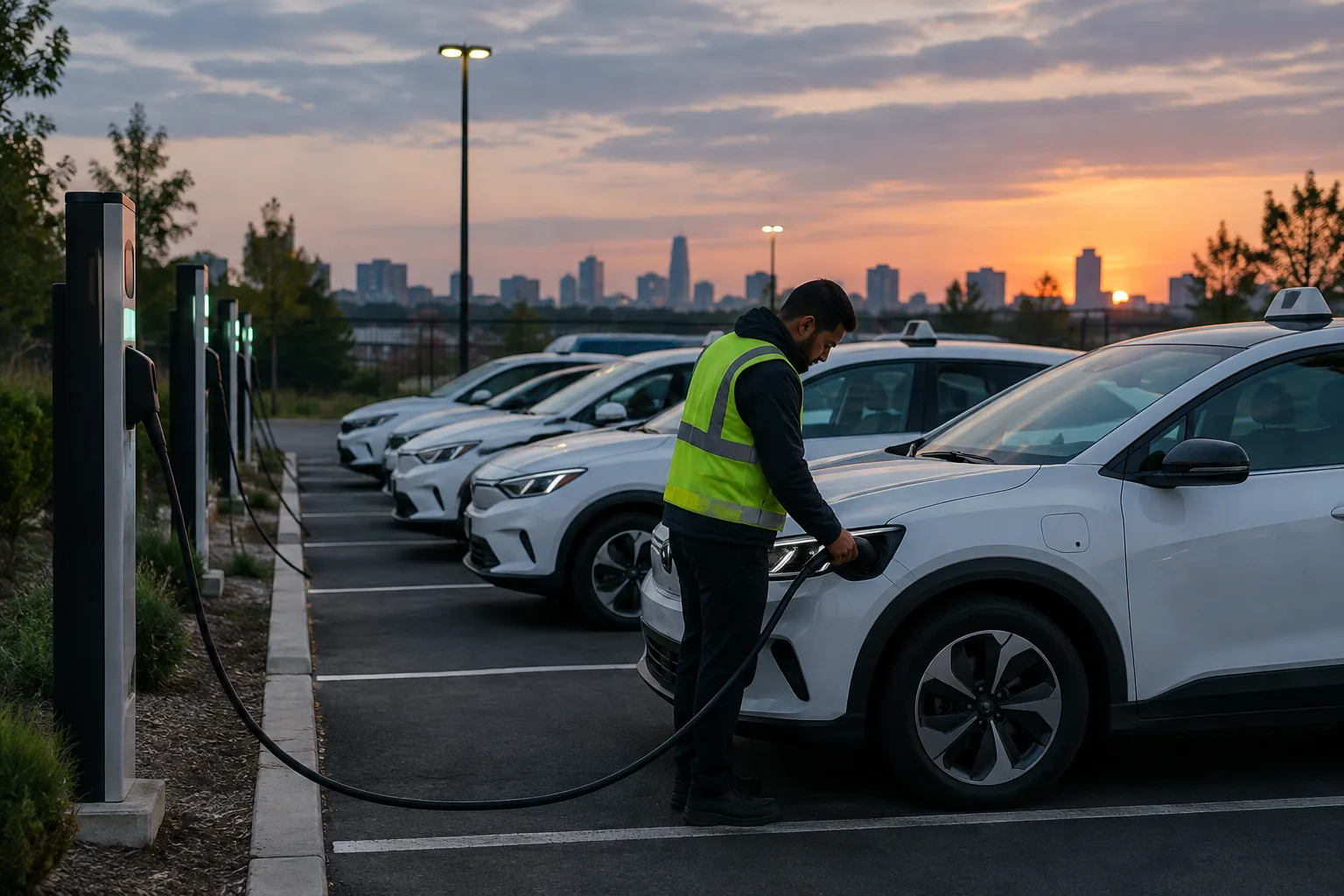
- Scale adaptation and resilience technologies now moving from R&D to mission-critical deployment, including drought-monitoring satellites, precision irrigation, and AI-driven climate models
- Monetize resilience via climate-risk analytics, performance-based efficiency contracting, and resilience-as-a-service offerings
- Strengthen corporate climate governance, aligning disclosures with frameworks such as TCFD to meet investor expectations for decision-useful transparency
- Protect workforce productivity and safety as extreme heat becomes a labor and liability issue, requiring redesigned facilities, sensor-enabled safety programs, and adaptive work policies
What emerges from this summer’s data is a sharper definition of leadership: not the loudest climate pledge, but the most credible integration of emissions, resilience, and capital allocation. As heat records fall and wildfire smoke crosses borders, the competitive edge will belong to organizations that treat climate stress as a design constraint—engineering their energy, compute, supply chains, and governance for a hotter, more volatile baseline.

 By
By
 By
By
 By
By

 By
By

 By
By
 By
By