


The Battle for Storytelling: Hollywood’s Human Touch Versus the Algorithmic Tide
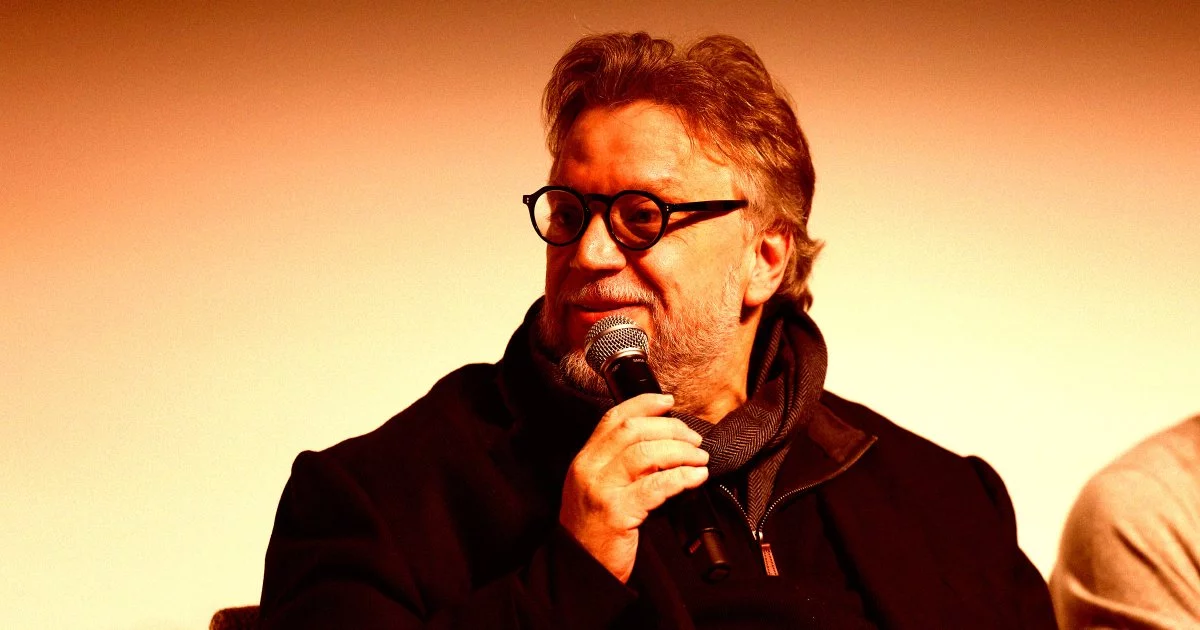
Guillermo del Toro’s recent denunciation of generative artificial intelligence in entertainment, echoed by luminaries like Steven Spielberg and Jim Lee, is more than a cri de coeur from the creative class. It is a clarion call at the fault line where Silicon Valley’s relentless innovation collides with Hollywood’s reverence for craft. Del Toro’s invocation of Victor Frankenstein is not mere literary flourish; it crystallizes the existential anxiety gripping an industry whose soul is up for algorithmic auction.
The Two-Speed Future: Where AI Thrives and Falters in Entertainment
The ascent of generative AI platforms—Midjourney, OpenAI, Stability AI—has redefined the economics of content creation. Pre-visualization, script drafting, and digital likenesses, once the domain of expensive specialists, now emerge from neural nets at a fraction of the cost. Yet, the technology’s dazzling efficiency belies its limitations. Narrative coherence, emotional resonance, and the lawful use of training data remain stubbornly human domains.
This technological schism is reshaping the entertainment landscape:
- AI-Accelerated Content: Low-risk, high-volume assets—animated shorts, social media promos, non-union ad content—are rapidly embracing generative pipelines.
- Human-Ringfenced Franchises: Tentpole storytelling, where brand equity and creative vision are paramount, resists automation, enforced by guilds, talent, and the specter of reputational risk.
Studios, facing a 16% year-over-year surge in production budgets and stagnant streaming revenues, eye AI as a salve for margin compression. But litigation and talent boycotts threaten to neutralize these gains. The paradox: as AI’s reach grows, so does the scarcity premium for irreplaceable storytellers. The 2023 WGA and SAG work stoppages, which extracted hard-fought AI concessions, signal a recalibration of bargaining power in favor of the creative vanguard.
Legal Chessboard: Copyright, Labor, and the Global Patchwork
The legal front is a maze of precedent and power plays. Disney, NBCUniversal, and Warner Bros Discovery are seeking judicial clarity on whether AI-generated works constitute transformative use or outright infringement. Early rulings will set the tone for the valuation of legacy IP catalogs—assets worth billions, now in legal limbo.
Labor contracts, meanwhile, are evolving into fortresses of human agency. Guild agreements increasingly mandate disclosure and consent for AI use, instituting a “human-in-the-loop” requirement that raises compliance costs but safeguards creative control.
Globally, the regulatory landscape is fragmenting:
- Europe: The EU AI Act’s risk-based framework may empower creatives with stronger moral-rights claims, potentially setting a gold standard for artist protections.
- United States: Precedent-driven and reactive, U.S. law creates incentives for forum shopping and legal arbitrage, complicating compliance for studios and AI developers alike.
Cultural Capital and the New Authenticity Premium
If technology is the engine, culture is the fuel. Audiences, emerging from the pandemic with a heightened appetite for authenticity, are gravitating toward narratives that celebrate human craft. The marketing juggernaut behind Barbie, the feverish fandom of Taylor Swift’s tour documentary—these are not accidents, but signals. Anti-AI positioning is morphing from ethical imperative to competitive differentiator.
Yet, the risks are acute. Early experiments with AI-generated actors, such as the virtual influencer “Miquela,” have revealed a volatile mix of novelty and backlash. Gen Z, in particular, is hypersensitive to creator rights and quick to punish perceived inauthenticity.
The parallels with other sectors are instructive:
- Luxury Goods: Just as haute couture leverages hand-made scarcity, premium studios may soon tout “100% human-crafted” labels, turning authenticity into a monetizable SKU.
- Sports and Gaming: Athlete likeness disputes presage collective licensing frameworks for actors’ digital performances, a likely next frontier in IP management.
- Cybersecurity: The rise of deepfakes is driving investment in provenance technologies—watermarking, cryptographic authentication—aligning content studios with banks and defense contractors in a new security paradigm.
Strategic Pathways: Navigating the Algorithmic Age
For industry leaders, the challenge is to wield AI as a scalpel, not a sledgehammer. Strategic recommendations include:
- Portfolio Segmentation: Deploy generative AI for cost-sensitive, low-IP-risk content; reserve flagship franchises for human-led workflows.
- Data-Rights Arbitrage: Secure licensed datasets and pursue revenue-sharing with talent to pre-empt litigation and foster goodwill.
- Authenticity Certification: Develop “Human-Crafted” marketing language and certifications to monetize consumer trust.
- Regulatory Hedging: Build cross-border legal frameworks and insurance products to manage AI-related IP liabilities.
- Talent Augmentation: Invest in AI co-pilot tools and training, embedding technology fluency while preserving authorship credit.
As the industry contends with these tectonic shifts, the lesson is clear: narrative authority remains the rarest and most valuable currency in the attention economy. Those who can harmonize algorithmic scale with human ingenuity—codifying rights, authenticating provenance, and segmenting use-cases—will not only weather the storm but define the next era of storytelling. The rest risk becoming footnotes in a history written by others, or perhaps, by machines.

 By
By


 By
By
 By
By
 By
By

 By
By







