


The Thermostat as a Strategic Node: Redefining Connected Home Competition
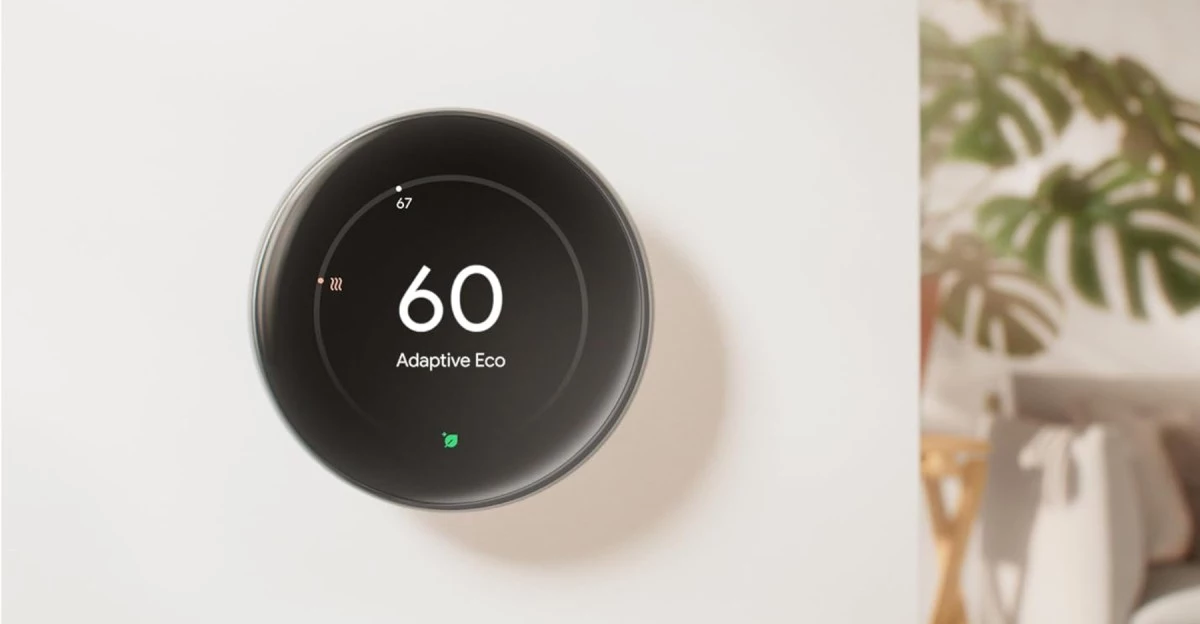
A quiet but profound transformation is underway in the world of residential energy management, and its epicenter is a device long relegated to the periphery of consumer electronics: the thermostat. Google’s fourth-generation Nest Learning Thermostat, launched with an assertive $218.99 price tag during Amazon Prime Day, signals not just a hardware refresh but a reordering of power in the connected-home ecosystem. This new Nest is not merely a sleeker gadget; it is a gateway, a node through which data, dollars, and influence will increasingly flow.
The device’s debut comes at the confluence of three tectonic shifts: the maturation of the Matter interoperability standard, the pivot from hardware to data-driven energy services, and the intensification of platform competition. The thermostat, once a humble wall fixture, is now a linchpin in a rapidly consolidating landscape where regulatory scrutiny and new forms of value capture are inevitable.
Matter and the End of Walled Gardens
Perhaps the most consequential development is the thermostat’s native support for the Matter standard—a move that upends the traditional logic of proprietary “walled gardens.” By embracing interoperability, Google is wagering that its durable advantage lies not in device exclusivity but in the intelligence of its software layer. Matter’s promise is to lower switching costs for consumers, rendering the smart home an agnostic, fluid environment where devices from Google, Apple, Amazon, and Samsung can coexist.
- Amazon’s role as distributor: The prominent placement of a Google device during Prime Day is a subtle but unmistakable signal. Amazon is less concerned with hardware margins than with owning the onboarding journey and aggregating the data that flows through these endpoints.
- Strategic implications: For Google, the risk of eroding proprietary lock-in is offset by the network effects of a growing install base. Every additional thermostat sharpens the predictive accuracy of its energy-demand models, reinforcing platform dominance—a classic “power play” in the Hamilton Helmer sense.
Edge AI, Energy Intelligence, and the Evolving Value Chain
The technical advances in the new Nest are not merely cosmetic. A 60% larger display and proximity-aware UI are matched by deeper intelligence: on-device machine learning now enables the thermostat to learn occupancy and comfort preferences, integrating room-level sensing via bundled wireless sensors. The shift of AI computation from the cloud to the edge is more than an engineering feat—it is a response to tightening privacy regulations such as GDPR and CPRA.
- Grid-interactive potential: The thermostat’s granular data on occupancy and thermal dynamics is now a critical input for utilities’ demand-response programs. The device is evolving into a grid-interactive asset, its value extending far beyond the household.
- Monetization pathways: Google’s control of both device data and software interfaces positions it to intermediate new value chains—predictive maintenance, utility-sponsored peak-shaving, and even insurance-driven risk mitigation (think frozen-pipe prevention).
Economic and Policy Forces Shaping the Market
The aggressive sub-$220 pricing is not a mere marketing ploy; it is a lever to expand the installed base, compressing gross margins in favor of strategic scale. This price point aligns with utility rebate thresholds in multiple U.S. states, often resulting in near-zero net cost to the consumer when paired with demand-response incentives.
- Regulatory tailwinds: The U.S. Inflation Reduction Act and the EU’s Energy Performance of Buildings Directive are channeling billions toward residential efficiency. Devices that can self-certify savings through verifiable data streams are poised for accelerated adoption.
- Competitive pressure: Incumbent HVAC manufacturers face a stark choice—license Google’s software stack or risk obsolescence. The longstanding razor-and-blade model of selling equipment plus maintenance contracts is under threat from AI-driven, data-centric services.
- Carbon accounting and ESG: With new rules on Scope 3 emissions disclosure looming, real-estate operators are integrating smart thermostats into ESG reporting platforms, using device-level analytics to unlock green financing.
The Road Ahead: Strategic Recommendations
The implications of this new era extend across the value chain:
- Utilities should fast-track Matter integration and pilot dynamic pricing using real-time occupancy data.
- Real-estate operators can bundle smart thermostats with ESG platforms, leveraging analytics for preferential financing.
- HVAC manufacturers must acquire AI/ML talent to keep pace with Google’s feature set or risk commoditization.
- Insurers have an opportunity to tie premium discounts to verified engagement with smart-thermostat features.
- Retailers can use flash-sale events to become the default onboarding hub for the Matter ecosystem.
- Policy makers must standardize measurement and verification protocols to streamline rebates and prevent fraud.
The fourth-generation Nest Learning Thermostat is a strategic fulcrum in the contest to own the residential energy interface. It is a data-rich, grid-interactive asset, not a mere consumer gadget—a device that will shape power markets, building economics, and platform hierarchies for years to come. The future of the connected home, and perhaps the grid itself, will be negotiated through these unassuming but increasingly indispensable nodes.

 By
By
 By
By

 By
By
 By
By

 By
By
 By
By







