

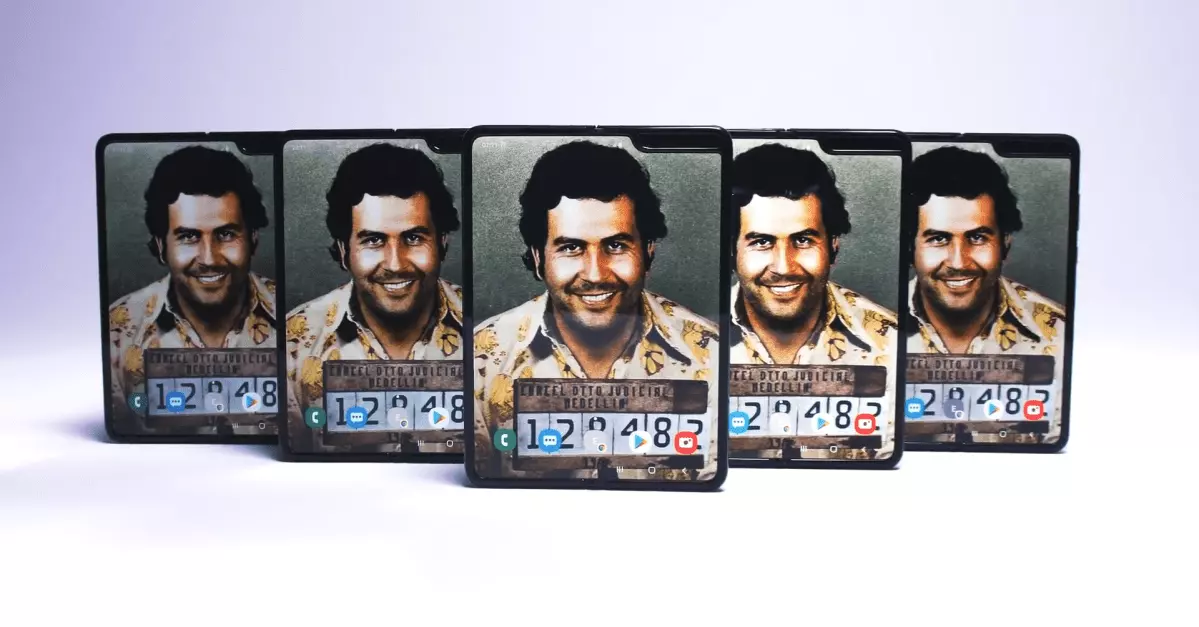

The Mirage of Modern Commerce: How Escobar Inc. Exploited the Cracks in DTC
The saga of Olof Kyros Gustafsson, erstwhile CEO of Escobar Inc., reads like a cautionary tale for the digital age—a blend of old-school grift and new-school technological opportunism. Gustafsson’s guilty plea to federal fraud and money-laundering charges is more than a personal reckoning; it’s a vivid case study in the vulnerabilities of today’s direct-to-consumer (DTC) economy, where the velocity of innovation often outpaces the evolution of oversight.
At the heart of the matter lies a scheme that weaponized the very tools designed to foster consumer trust and frictionless commerce. Gustafsson’s operation did not merely sell products; it sold illusions—rebadged Samsung smartphones, ersatz flamethrowers, and a phantom cryptocurrency—all buoyed by the manufactured legitimacy of influencer endorsements and the strategic abuse of payment infrastructure.
Anatomy of a Digital Mirage: Brand Arbitrage and Payments Manipulation
Escobar Inc.’s playbook was audacious in its simplicity. The “Escobar Fold” smartphone, for example, was little more than a Samsung Galaxy Fold with a cosmetic facelift—a brazen act of white-labeling that blurred intellectual property lines and undermined consumer confidence. The company’s marketing engine leaned heavily on influencer seeding: high-profile tech reviewers received authentic devices, generating a cascade of unboxing videos that lent the operation a veneer of credibility. For the average consumer, however, the experience was starkly different—most received only certificates, not the promised hardware.
This divergence was not accidental. By distributing low-value “proof-of-delivery” items to customers, Escobar Inc. cleverly exploited the dispute-resolution mechanics of major card networks. The ploy insulated the company from refund exposure, as the mere existence of a tracking number often sufficed to quash chargebacks. Meanwhile, funds from these phantom sales were siphoned into personal expenditures, with a purported cryptocurrency product amplifying the psychological urgency—FOMO—so endemic to unregulated digital markets.
The Technology Paradox: Commoditization, Influencer Risk, and Payments Fragility
The Gustafsson affair crystallizes several emergent risks in the DTC landscape:
- Smartphone Commoditization: As hardware components become cheaper and reference designs proliferate, the barrier to relabeling flagship devices collapses. Unscrupulous actors can now “skin” high-end products and target price-sensitive consumers, exploiting irrational price gaps with minimal upfront investment.
- Influencer Marketing Blind Spots: Influencers, often unwittingly, serve as trust proxies. In this case, their endorsements lent credibility to a fraudulent enterprise, underscoring the urgent need for authentication protocols—such as cryptographically verifiable device attestation or blockchain-anchored provenance tags—before influencers go live.
- Payments Infrastructure Weakness: The reliance on shipping data, rather than item-level verification, creates a vulnerability. Emerging standards like ISO 20022 messaging and tokenized parcel IDs could have neutralized Escobar Inc.’s certificate gambit, but such tools are not yet widely adopted.
Strategic Fallout: Trust Erosion and the Future of DTC Risk
The economic ripples from this episode extend far beyond Escobar Inc. itself. Every high-profile fraud incident erodes the trust premium that underpins DTC commerce, making consumers more reluctant to prepay for hardware. This, in turn, forces legitimate brands to tie up more working capital and accept lengthier marketing payback periods. As regulatory scrutiny intensifies, payment processors, logistics providers, and even social platforms may find themselves shouldering greater compliance burdens—potentially facing stricter KYC/AML mandates and narrower chargeback “safe harbors.”
For capital markets, the message is clear: investor appetite for influencer-driven DTC roll-ups may wane, shifting valuations toward brands that can demonstrate hardened supply-chain provenance and audited fulfillment metrics. Due diligence will increasingly prioritize SKU fulfillment fidelity, supply-chain transparency, and post-sale dispute ratios alongside traditional growth metrics.
Toward Radical Transparency: The Next Competitive Frontier
The collapse of Escobar Inc. is not merely a story of individual malfeasance—it is a harbinger of systemic change. As hardware commoditization accelerates and digital channels converge, the marginal cost of deception plummets even as its systemic fallout intensifies. The future will belong to those who operationalize radical transparency: embedding tamper-proof component IDs, exposing provenance APIs, and leveraging real-time payment intelligence to transform restored trust into durable competitive advantage.
For technology leaders, marketers, and risk executives alike, the lesson is unmistakable. In an era where the line between authenticity and artifice is razor-thin, only those who can make trust both visible and verifiable will thrive. The Escobar Inc. episode is a stark reminder that in the relentless churn of modern commerce, transparency is not just a virtue—it is the last, best defense against the next digital mirage.

 By
By
 By
By

 By
By

 By
By
 By
By








