
A New Era in Aviation: When Autonomy Takes the Yoke
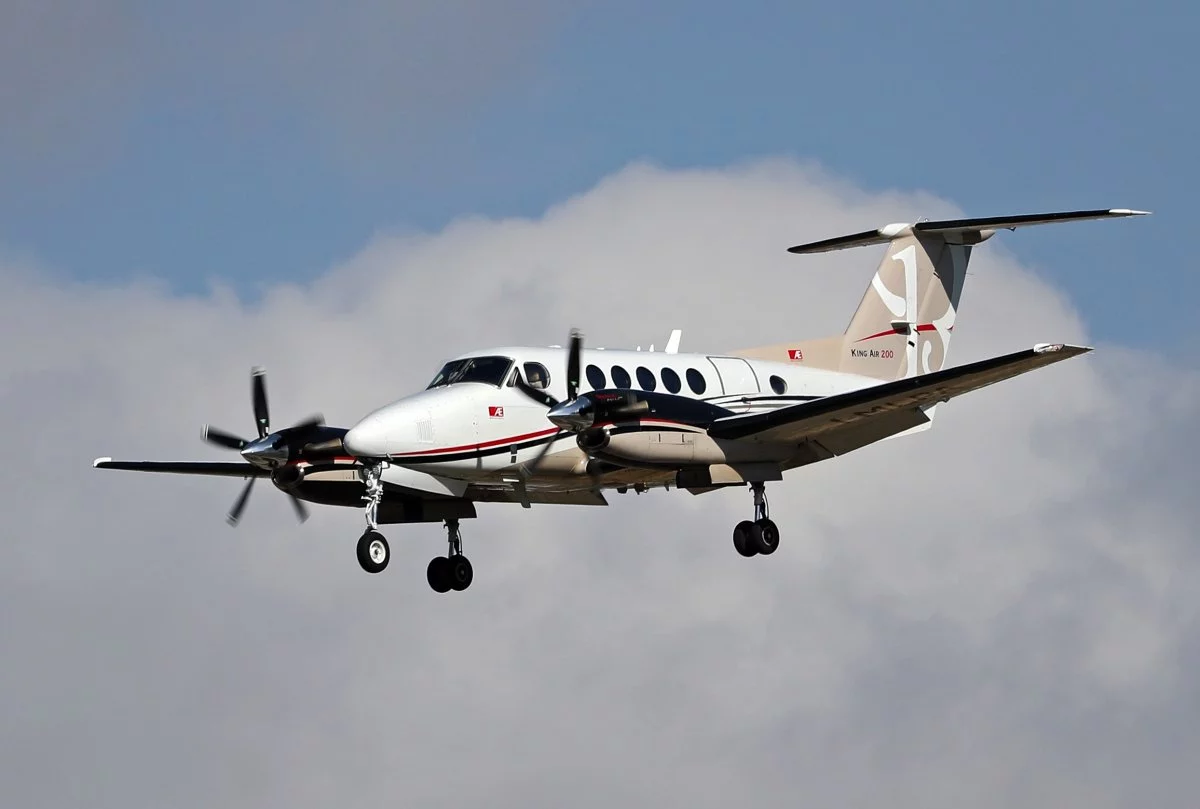
On a brisk December day over Colorado, the aviation world quietly crossed a threshold. A Beechcraft Super King Air, its cabin suddenly depressurized, became the stage for a technological debut: Garmin’s Emergency Autoland system, facing a real-world crisis, assumed command. In a ballet of silicon and code, the system assessed its environment, communicated with air-traffic control, selected Rocky Mountain Metropolitan Airport, and executed a flawless landing—all while the two pilots, conscious and capable, watched the future unfold from their seats. The U.S. Federal Aviation Administration, quick to recognize the gravity of the event, launched an investigation that will likely set the tone for regulatory, economic, and ethical debates for years to come.
From Human Judgment to Algorithmic Command
The significance of this incident cannot be overstated. For decades, autoland systems have existed, but they have been tethered to the ground by their reliance on precision infrastructure and the guiding hand of a human pilot. Garmin’s Autoland, by contrast, is a leap into “pilot-out” autonomy. This system fuses sensor data, weighs variables like weather, terrain, fuel, and traffic, and makes rapid-fire decisions once reserved for the most seasoned aviators. Its ability to communicate with air-traffic control, navigate complex airspace, and land safely—entirely unaided—signals the maturation of artificial intelligence in the cockpit.
What sets this technology apart is its modularity. Designed as a retrofit for Part 23 aircraft, Autoland sidesteps the need for costly, full fly-by-wire conversions. This echoes trends in automotive safety, where advanced driver-assistance systems are increasingly available as aftermarket upgrades. The result is a democratization of safety: a vast fleet of existing aircraft can now be equipped with life-saving autonomy, not just the latest models rolling off assembly lines.
Each deployment of Autoland generates a trove of high-fidelity data—rare, real-world edge cases that are gold for iterative machine learning. This data flywheel effect will only accelerate the refinement and reliability of autonomous flight systems, giving avionics suppliers a strategic moat in a sector where every anomaly matters.
Economic Realignment and the Battle for the Cockpit
The ripple effects of this technological leap are already being felt in the economics of aviation. Early actuarial analyses suggest that aircraft equipped with certified autonomous emergency systems could see hull insurance premiums drop by as much as 10%. This mirrors the impact telematics had on auto insurance, where data-driven risk assessment reshaped the market. For aircraft owners and operators, the prospect of lower premiums and higher residual values is a powerful incentive to adopt autonomy.
At a time when the global pilot shortage looms—Boeing and CAE project a gap of 17,000 pilots by 2030—autonomous overlays offer a lifeline. By extending the productive lifespan of the existing pilot workforce and enabling single-pilot operations in certain segments, these systems could ease the talent crunch without compromising safety.
Perhaps most notably, the balance of power in the aerospace supply chain is shifting. Avionics suppliers, once relegated to tier-one status beneath OEMs, now control the intellectual property that underpins next-generation safety. Companies like Garmin, Honeywell, and Collins are emerging as gatekeepers, their autonomy platforms becoming prerequisites for regulatory approval and market differentiation.
Navigating New Regulatory and Ethical Terrain
With the FAA’s investigation underway, the regulatory landscape is poised for transformation. The outcome will likely set a precedent for how AI-assisted decision-making is certified, not just in the U.S. but globally. A favorable ruling could streamline the approval of adjacent autonomous functions—think automated taxiing, de-icing, or even unmanned cargo flights.
Yet, as autonomy advances, so do questions of liability and cyber-resilience. The pilots’ choice not to override Autoland preserved traditional legal boundaries, but future scenarios—where incapacitation leaves the machine fully in charge—will test established doctrines of command and accountability. Meanwhile, the rise of autonomous ATC communications heightens the need for robust cybersecurity standards, with encrypted datalinks and rigorous airworthiness requirements becoming non-negotiable.
The Road Ahead: Winners, Laggards, and the Shape of Tomorrow
Aircraft manufacturers now face a strategic crossroads: embrace factory-installed autonomy as a market differentiator or risk commoditizing their safety edge. Airlines and charter operators, meanwhile, are poised to leverage these systems for both marketing and operational gains, advocating for regulatory pathways that could enable single-pilot commercial flights. Investors will be watching avionics firms closely, anticipating margin expansion and potential M&A as defense and automotive giants seek to acquire autonomy expertise.
As the FAA convenes its Aviation Rulemaking Committee on Autonomy, the next 18–36 months promise a cascade of certifications, cross-sector convergence with urban air mobility, and a rapid climb in market adoption. By 2027, emergency autoland could be a standard feature on nearly half of all new turboprop and light-jet deliveries in North America.
The events over Colorado have made one thing clear: the age of autonomous safety is no longer a distant vision. It is operational, measurable, and—crucially—here to stay. Those who move swiftly to integrate, insure, and operationalize these technologies will define the next chapter of aviation. The rest risk being left behind, grounded by the relentless ascent of autonomy.

 By
By
 By
By

 By
By
 By
By

 By
By
 By
By