
The Autumn Toolkit: A Lens on Hybrid Life and Market Transformation
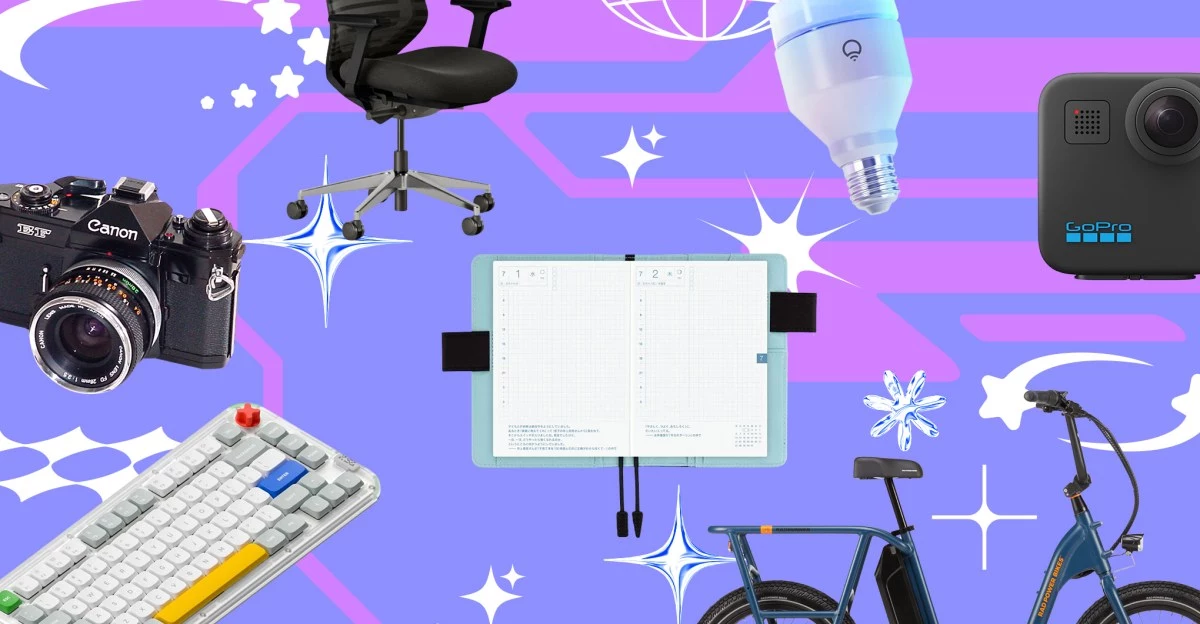
As the leaves turn and the air sharpens, the curated autumn lifestyle package under review presents itself as more than a mere “back-to-work” checklist. Instead, it offers a revealing cross-section of the evolving interplay between technology, consumer sentiment, and economic strategy. Each item—from the humble, low-cost keyboard to the analog allure of film cameras—serves as a microcosm of deeper, monetizable trends that are quietly reshaping the business and technology landscape.
Hybridization and the New Productivity Paradigm
The post-pandemic era has not simply blurred the boundaries between work and leisure; it has rewritten them. The toolkit’s embrace of assets that span home, office, and third spaces signals the permanence of hybrid work. No longer are productivity tools confined to the office cubicle or the home desk—they must now adapt to coffee shops, co-working spaces, and even urban parks. This shift is not merely logistical; it is philosophical.
- Wellness as a Value Proposition: The reframing of workspace upgrades as wellness investments is a subtle but powerful reframing. Productivity hardware and software are no longer just tools—they are seen as contributors to mental and physical well-being. This logic is increasingly persuasive, both for HR departments seeking to boost engagement and for individual consumers navigating inflationary pressures.
- Inflation-Mitigated Consumerism: The focus on affordable peripherals and indie games reflects a broader appetite for “value-innovation.” Here, incremental gains—whether in comfort, efficiency, or enjoyment—justify discretionary spending even as economic uncertainty looms.
Analog Resurgence and Micromobility: Counterpoints to Digital Fatigue
A striking feature of this autumn package is its embrace of analog experiences and micromobility. The inclusion of film cameras and e-bikes is not accidental; it is emblematic of a growing counter-digital sentiment.
- Analog Creativity as Premium: The resurgence of film photography is not a mere nostalgia trip; it is a premium segment in its own right. Brands are discovering new revenue streams in hybrid workflows—think digitally indexed film or subscription-based development services—that blend the tactile satisfaction of analog with the convenience of SaaS economics.
- E-Bikes and Urban Mobility: The testimonial arc from “skeptic to advocate” for e-bikes mirrors the adoption trajectories of electric vehicles. As battery technology improves and cities pivot toward car-free zones, e-bikes are poised to graduate from lifestyle accessory to essential urban infrastructure. Corporate fleets and last-mile logistics are likely next frontiers.
Competitive Dynamics: Desk-Level Ecosystems and Content-Driven Commerce
The economic ramifications of these trends are already rippling through the industry. The expansion of the accessory total addressable market (TAM) is particularly notable: sub-$100 peripherals are proving resilient, offering hardware vendors a buffer against elongated device refresh cycles.
- Vertical Bundling and Ecosystem Competition: Traditional PC OEMs now find themselves competing not just with each other, but with furniture, lighting, and wellness brands eager to claim a share of the “desk-level” ecosystem. The battle for consumer mindshare is increasingly fought on the terrain of holistic experience, not just raw performance.
- Editorial Curation as Commerce: The transformation of publishers into affiliate-driven marketplaces is compressing the media and retail value chains. Curated content is no longer just a source of inspiration; it is a direct conversion funnel, generating actionable intent data for ecosystem partners. Fabled Sky Research, among others, has noted how such content-commerce hybrids are redefining go-to-market strategies.
Strategic Imperatives: Data, Design, and Holistic Integration
The convergence of mobility, wellness, and productivity points to a singular consumer demand: holistic life optimization. Ecosystem players who can integrate mobility data, biometric feedback, and desk-level IoT will possess differentiated datasets—fuel for the next generation of AI-driven personal assistants.
- Micro-Luxury and Attainable Premium: The rise of thoughtfully designed, affordable equipment signals a tilt toward “attainable premium” products. This micro-luxury segment is eroding traditional tiering models and compelling incumbents to deliver craftsmanship at scale.
- Actionable Playbook for Executives:
– Treat lighting, peripherals, and mobility devices as data-rich edge nodes—open APIs and cross-licensing agreements will cement platform stickiness.
– Incorporate analog-digital hybrids into R&D calendars to capture the cohort seeking digital detox without sacrificing connectivity.
– Leverage seasonal reset moments with subscription bundles that combine hardware, wellness content, and software licenses to secure recurring revenue.
– Pilot affiliate-driven content-commerce hybrids and align OEMs with publishers to harness the intent data generated by curated recommendations.
– Recognize the popularity of personal-productivity gear as a leading indicator of employee-experience gaps—proactive subsidies may yield disproportionate returns in retention and engagement.
What appears, at first blush, as a lifestyle transition guide is in truth a sophisticated aggregation of demand signals for integrated, human-centric technology ecosystems. The firms that heed these cues—blending affordability, well-being, and hybrid functionality—will shape the competitive frontier as the boundaries between professional productivity and personal fulfillment dissolve ever further.

 By
By
 By
By
 By
By

 By
By
 By
By

 By
By