
The Trillionaire Triumvirate: Wealth, AI, and the New Market Order
In the annals of modern capitalism, few statistics startle quite like this: Elon Musk, Larry Ellison, and Mark Zuckerberg now command a combined fortune of $1.03 trillion—an amount that rivals the market capitalization of Berkshire Hathaway, Warren Buffett’s legendary conglomerate. This is not merely a tale of personal enrichment. It is, in fact, a lens through which to view the profound transformation underway in global capital markets, driven by the relentless advance of artificial intelligence and the peculiar mechanics of founder-led governance.
The AI Rally and the Concentration Conundrum
The past year has witnessed an extraordinary surge in the wealth of the so-called “$100 billion club”—a cohort of seventeen individuals whose collective net worth has ballooned by $434 billion, now totaling $3.2 trillion. The catalyst? Unprecedented investor exuberance for generative AI, hyperscale cloud infrastructure, and the promise of winner-take-most economics. Ellison’s net worth alone swelled by $157 billion, while Zuckerberg’s rose by $58 billion, and Musk, despite volatility in Tesla’s share price, remains the world’s richest man.
This wealth concentration is not an idle curiosity. The trio’s holdings now represent approximately 4% of the entire S&P 500’s market value, raising uncomfortable questions about index concentration and systemic risk. Passive funds, which have become the default investment vehicle for millions, are now inadvertently tethered to the idiosyncratic fortunes—and execution risks—of just a handful of tech visionaries.
Notably, Oracle’s recent 43% single-day share price spike, propelled by AI narrative momentum, underscores how even mature, cash-rich incumbents can become swept up in the speculative fervor. The market, it seems, is once again assigning long-duration, “winner-take-most” multiples to those perceived as foundational to the AI stack—compute, data, and distribution—echoing the fevered conditions of late 2020.
Strategic Interlocks: Cloud, Compute, and Governance
The strategic vectors driving this phenomenon are as intricate as they are powerful. Oracle’s resurgence is no longer just about databases; its cloud regions, dense with NVIDIA H100 GPUs, have become critical infrastructure for AI workloads. Meta, under Zuckerberg, is betting heavily on open-sourcing its LLaMA models and Reality Labs, both to seed ecosystem lock-in and to diffuse antitrust scrutiny by sharing platform power—while still capturing the network effects of data aggregation.
Tesla, meanwhile, is the crucible where hardware and software ambitions collide. Musk’s roadmap for integrated EV-battery-AI systems ties future margins to the success of full-self-driving software. Should autonomy falter, both Tesla’s valuation and Musk’s eye-watering compensation package—a potential $1 trillion windfall—face binary risk.
A subtle, but potentially game-changing, dynamic is at play in the cross-holdings and boardroom alliances among these titans. Ellison’s seat on Tesla’s board, for example, could position Oracle Cloud as a preferred provider for Tesla’s AI inference workloads. Such interlocks, rarely priced in by investors, hint at a future where platform access is brokered not just by contracts, but by relationships forged in the boardroom.
Systemic Ripples: Inequality, Infrastructure, and Policy
The meteoric rise of billionaire fortunes amid persistent inflation is already stoking political debate in Washington and Brussels. Proposals for windfall-profit taxes and stricter antitrust enforcement are gaining traction, fueled by the perception that AI-driven capital gains are outpacing wage growth by orders of magnitude.
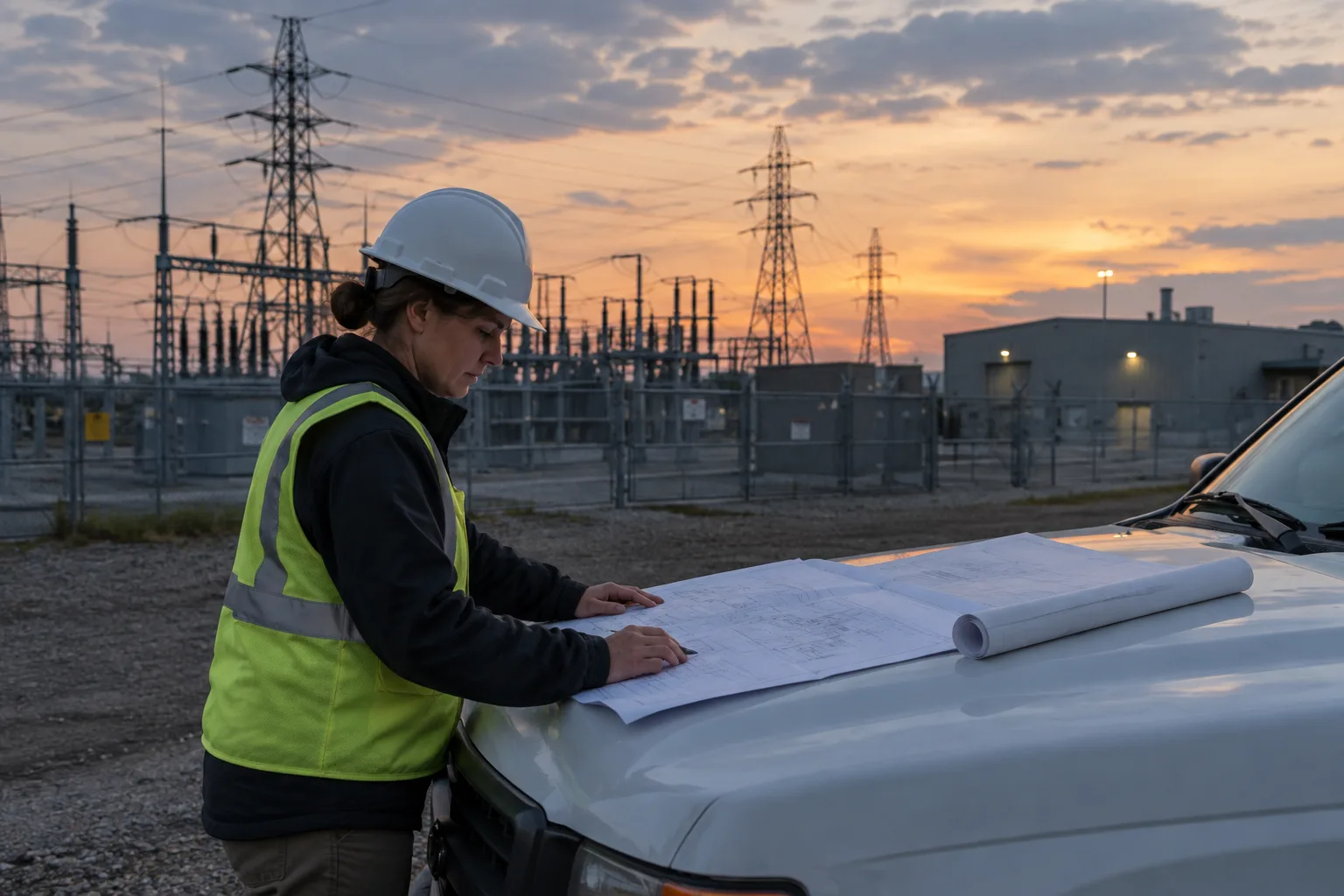
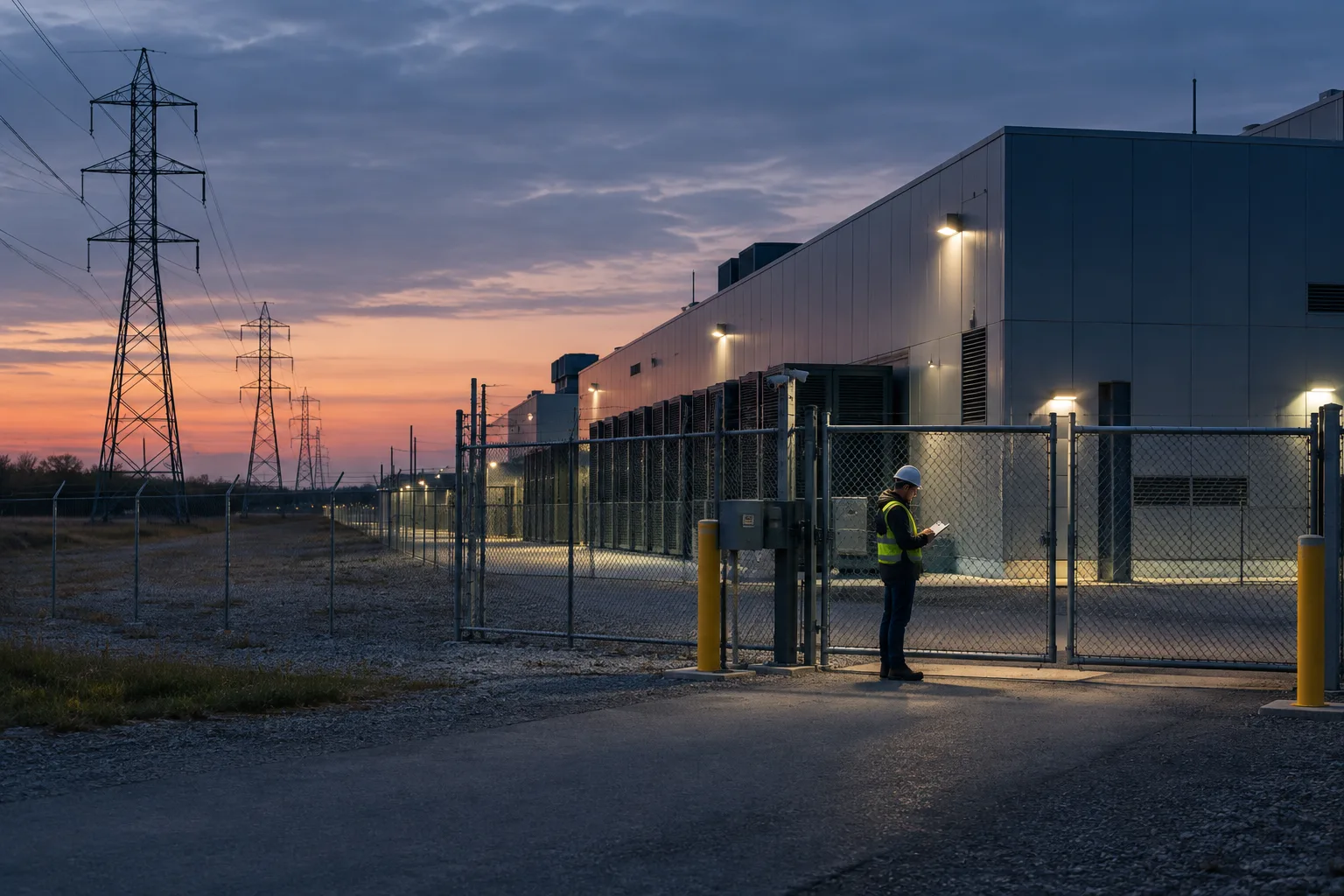
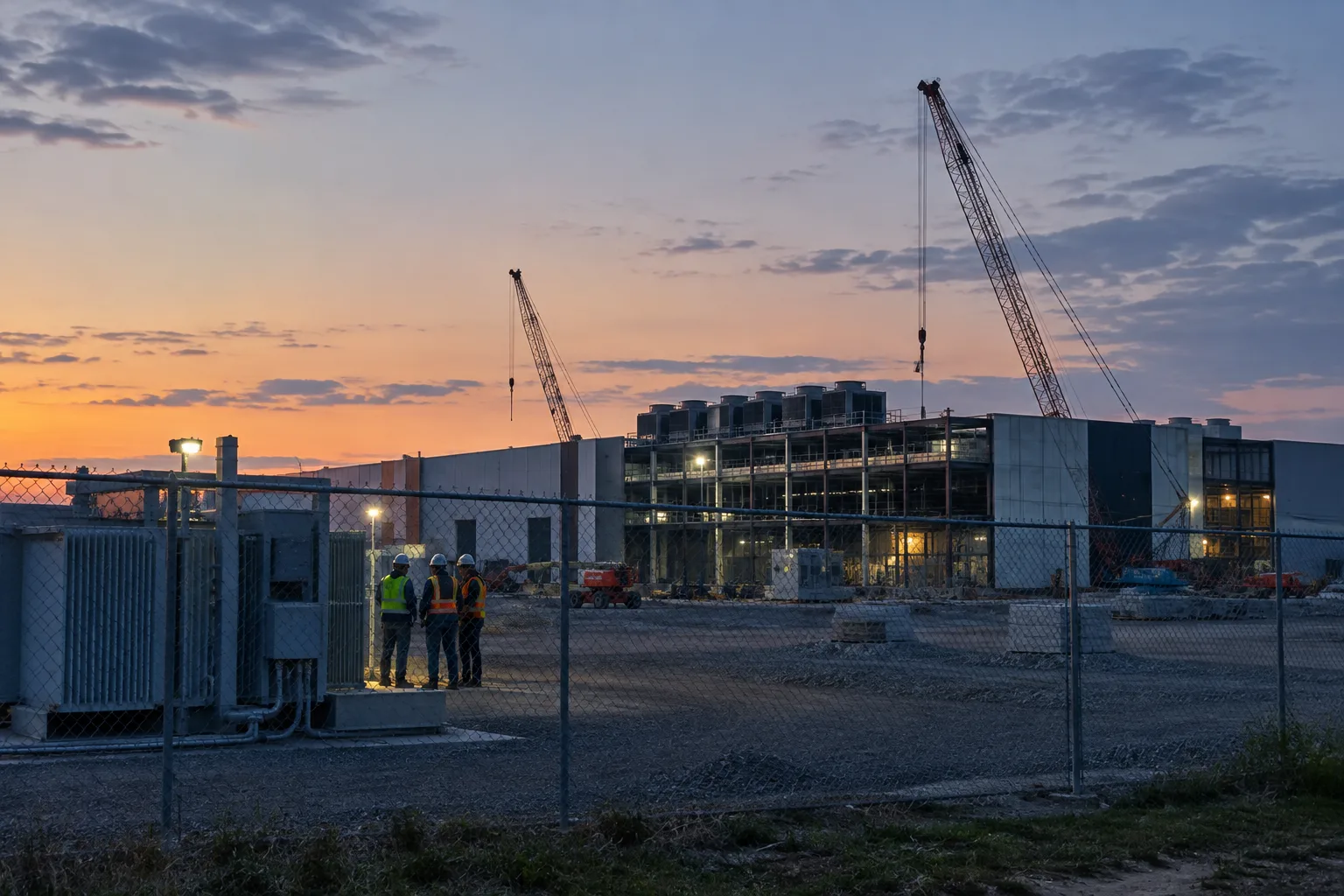
The infrastructural demands of this new era are equally daunting. The rush to build out GPU-rich data centers is straining power grids and supply chains, prompting a strategic pivot toward on-site renewables and even small modular nuclear reactors. As mature firms like Oracle pivot capital toward AI-driven M&A rather than dividends, the traditional calculus of shareholder returns is being rewritten in real time.
For corporate strategists, the message is clear: access to high-end compute and proprietary data is now as critical a share-price driver as earnings or revenue growth. Disclosures of GPU capex and model development roadmaps are scrutinized with the same intensity as traditional R&D. For investors, the risks and rewards of passive exposure to this concentrated wealth—and the asymmetric incentives embedded in executive compensation—demand a new level of vigilance.
As capital, technology, and governance converge in the hands of a few, the market is sending an unambiguous signal: AI is not just another tech cycle—it is the platform upon which the next era of economic power will be built. Those who understand the interplay of scarcity, control, and narrative will be best positioned to navigate, and perhaps shape, the future that is now hurtling toward us.

 By
By
 By
By
 By
By

 By
By
 By
By

 By
By