

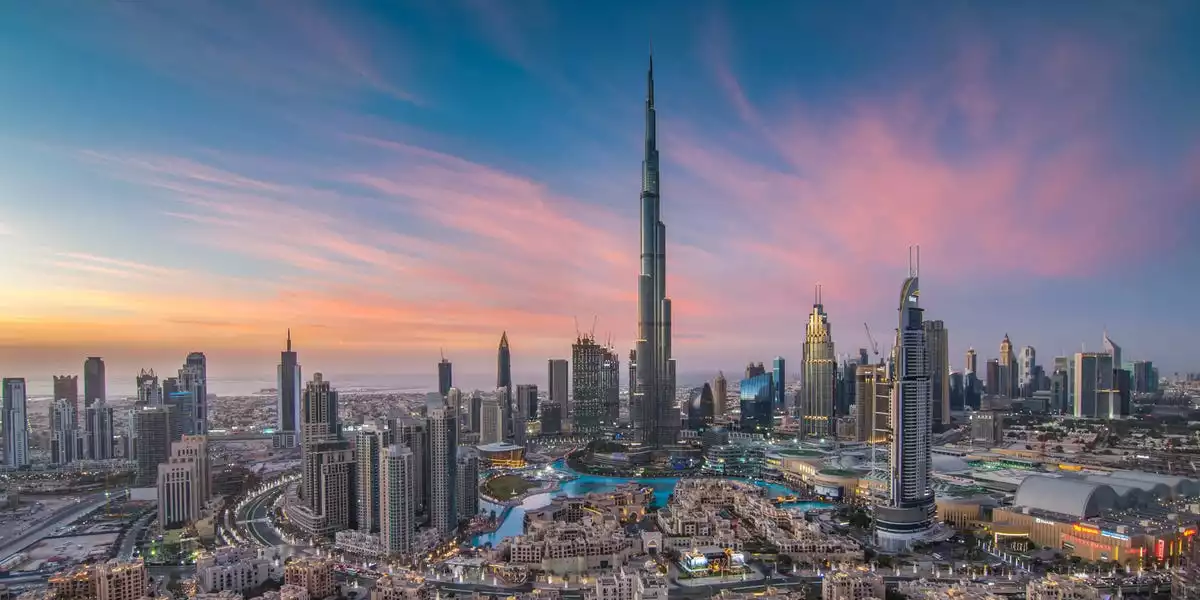

A New Cartography of Luxury: The Emergence of the Dubai-Bangkok-Tokyo Triangle
The global map of luxury—once a familiar constellation anchored by New York, London, and Shanghai—has been redrawn. Julius Baer’s 2025 Global Wealth and Lifestyle Report crystallizes a profound eastward and southward migration of ultra-high-net-worth (UHNW) gravity, as Dubai, Bangkok, and Tokyo surge ahead, outpacing their Western counterparts and signaling a reordering of how, and where, the world’s wealthiest live, spend, and invest.
This shift is not merely a matter of rankings. It is a reflection of deeper undercurrents: the reallocation of capital, the reimagining of luxury itself, and the recalibration of geopolitical risk. The velocity with which Dubai (+5 positions), Bangkok (+6), and Tokyo (+6) have climbed the ranks is emblematic of a new era—one where experience, wellness, and strategic policy converge to create a magnet for global wealth.
Experience Over Assets: The New Luxury Zeitgeist
No longer is luxury defined solely by the acquisition of objects—art, automobiles, or prime real estate. The world’s affluent are pivoting toward the intangible: wellness, curated travel, and education. This “experience premium” is more than a trend; it is a structural transformation, intersecting with advances in healthtech and digital infrastructure.
- Wellness as Capital: Tokyo’s ascent is inseparable from Japan’s liberalization of regenerative medicine, drawing both inbound medical tourists and venture capital into longevity science and genomic screening. The fusion of health and luxury is now a two-way street, with domestic R&D and international demand reinforcing each other.
- Travel Bottlenecks and Opportunity: As demand for premium travel surges, capacity constraints drive up fares—London saw business-class prices soar by 29% year-on-year. This inflationary pressure is a clarion call for innovation, whether through long-range eVTOLs or the distant promise of supersonic flight, should regulatory tides turn.
- Cost Dispersion: While the global cost of “living well” has dipped by 2% on average, regional disparities persist. London’s double-digit inflation in private-school fees and airfares contrasts with the relative affordability and policy-driven incentives in Dubai and Bangkok.
Policy, Technology, and the Magnetism of New Hubs
The gravitational pull of Dubai and Bangkok is not accidental. It is the product of deliberate policy—Dubai’s 10-year Golden Visa and bespoke digital-asset regulations, for example—combined with infrastructural ambition and a willingness to embrace technological convergence.
- Regulatory Arbitrage: Dubai’s Virtual Assets Regulatory Authority (VARA) and Bangkok’s relaxed capital-gains rules for digital assets are not mere footnotes; they are strategic levers. For Web3 entrepreneurs and luxury brands alike, these frameworks enable tokenized loyalty programs and NFT-authenticated provenance, unlocking new forms of engagement and value.
- Real Estate and Urban Transformation: The influx of HNWIs is reshaping urban landscapes. Mixed-use developments in Bangkok’s Bang Na and Tokyo’s Takanawa Gateway fuse retail, co-living, and telehealth, with land-price appreciation in these sub-markets trailing central business districts by six to nine months—a window of opportunity for institutional investors.
- Technological Integration: From AI-driven mall traffic heat-mapping in Bangkok to embedded finance in luxury e-commerce, technology is the connective tissue. Sustainability is no afterthought: LEED-Platinum buildings, district cooling, and green hydrogen initiatives are positioning these cities to leapfrog legacy hubs.
Strategic Implications for Brands, Investors, and Policymakers
The implications of this luxury migration ripple across sectors:
- Luxury Brands: The new playbook demands recalibration—prioritizing gateway airports like DXB, BKK, and HND over traditional high streets, and developing wellness-integrated lines such as athleisure couture and smart wearables.
- Technology Vendors: Hospitality IoT, biometric access, and AI-driven concierge solutions are no longer optional in the five-star ecosystems of these rising hubs. Blockchain provenance and dynamic NFT certificates will differentiate luxury resale platforms.
- Investors and Asset Managers: Structured products tied to luxury indices, overweighted toward the Middle East and ASEAN, now offer compelling risk-reward profiles. Currency regimes—from Dubai’s USD peg to Thailand’s managed float—warrant close scrutiny for hedging strategies.
- Governments and Planners: Frictionless digital ID and payments infrastructure can capture incremental tourist spend, while public-private partnerships in premium health infrastructure dovetail with the wellness tourism boom.
As the world’s luxury axis pivots toward the Asia-Pacific and Gulf regions, the winners will be those who harmonize political stability, progressive digital-asset regulation, and world-class health ecosystems. For those attuned to these vectors—brands, investors, policymakers—the coming decade promises not just growth, but transformation. The new luxury triangle is not only a destination; it is a vision of the future, already in motion.

 By
By
 By
By
 By
By
 By
By
 By
By


 By
By







