
Fiduciary Fault Lines in the Digital Workplace: The Dell 401(k) Lawsuit as a Cautionary Tale
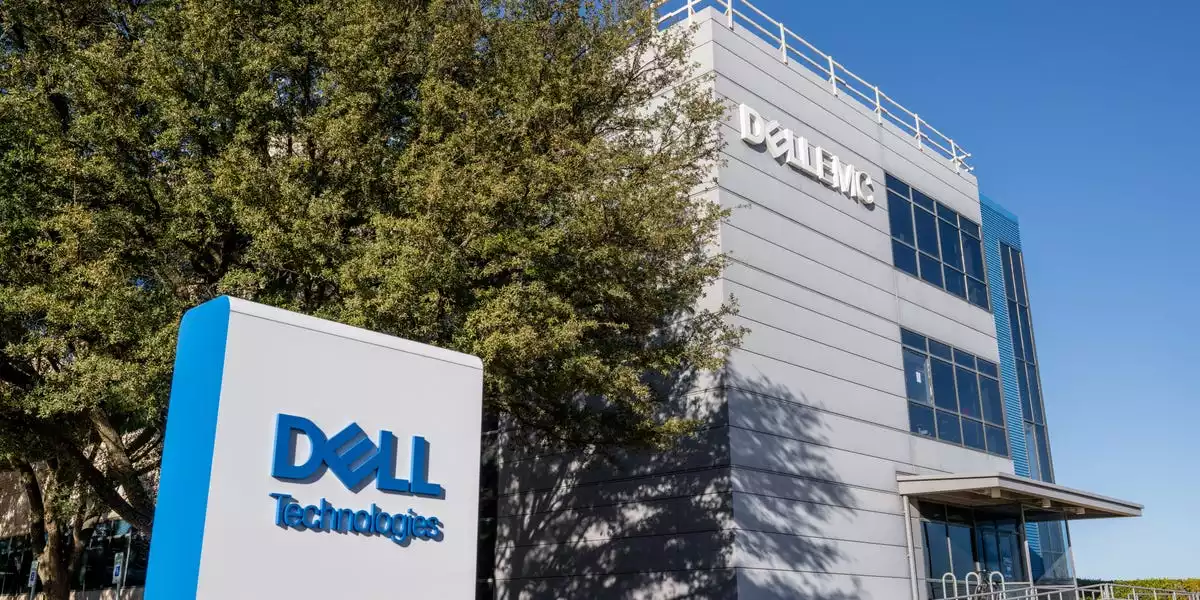
The recent legal salvo against Dell Technologies—alleging mismanagement of its $14.6 billion 401(k) plan—lands at a moment when the intersection of technology, fiduciary responsibility, and workforce trust has never been more fraught. Five former employees, in a suit filed in Texas federal court, claim that Dell’s plan fiduciaries clung to underperforming proprietary Target Date and Core funds, resulting in an estimated $318 million in participant losses. The complaint seeks not only monetary redress but a fundamental overhaul of plan governance, and Dell, for now, remains silent.
The Erosion of Trust: Retirement Plans in the Spotlight
For decades, employer-sponsored retirement plans have been a linchpin of the corporate value proposition—a subtle but powerful lever for talent retention. Yet, in the digital-first era, the “benefits halo” is easily tarnished. When a global technology brand, celebrated for its data-driven ethos, is accused of ignoring chronic underperformance in its own investment offerings, the reputational stakes escalate. This is especially true among younger, digitally native employees, whose trust in large institutions is already precarious.
The optics grow sharper when proprietary or white-label funds are involved. Technology firms, eager to showcase their internal asset management, often bundle such funds into employee plans. But when these products lag behind market benchmarks, the specter of “self-dealing” looms, inviting both legal action and public skepticism. The proliferation of sophisticated benchmarking tools—leveraged by plaintiffs’ attorneys—means that plan underperformance is now flagged and litigated with algorithmic precision.
Data, Litigation, and the New Fiduciary Risk Landscape
What distinguishes today’s fiduciary disputes from those of the past is the sheer volume and granularity of data. Large retirement plans, like Dell’s, generate terabytes of information on investments, fees, and participant behavior. This data trove is a double-edged sword: it enables more rigorous oversight, but also arms litigators with the means to build compelling cases. ERISA litigation, once the domain of arcane legal argument, is rapidly becoming a data science contest.
The macroeconomic context amplifies the stakes. The period under scrutiny in the Dell lawsuit coincides with a historic bull market, where even average performers reaped significant gains. Here, the alleged damages are not about absolute losses, but the opportunity cost of missing out on low-cost, high-performing index funds. In an era of volatile markets and rising interest rates, participants are acutely sensitive to both fees and transparency—a dynamic that only intensifies regulatory and legal scrutiny.
Regulatory momentum is also shifting. The Department of Labor’s proposed Retirement Security Rule would broaden the definition of fiduciary duty, raising the bar for anyone making plan recommendations. Cases like Dell’s will inevitably shape how “prudence” is interpreted under this evolving regime. Meanwhile, the convergence of financial and cyber risk—where breaches of participant data now carry ERISA liability—demands a new kind of boardroom vigilance.
Strategic Shifts: Governance, Technology, and the Future of Retirement Plans
For technology companies, the Dell lawsuit is a clarion call to elevate retirement plan oversight from an HR afterthought to a core enterprise risk. Boards must now treat benefits governance with the same rigor as privacy or antitrust, integrating ERISA risk into their broader risk management frameworks. This shift is already catalyzing changes across the vendor ecosystem:
- Independent Fiduciary Managers: Expect a surge in outsourcing to third-party fiduciaries and robo-advisor platforms, reducing self-dealing concerns and increasing transparency.
- Algorithmic Monitoring: Recordkeepers are racing to deploy AI-driven tools that flag underperforming funds and automate replacement decisions, transforming fiduciary duty into a predictive science.
- Fee Compression: Each lawsuit highlighting the virtues of low-cost index funds accelerates the migration away from expensive, actively managed products, squeezing margins but raising the bar for genuine value-add.
For asset managers and fintech innovators, the litigation risk creates a market for real-time benchmarking and analytics. Startups offering AI-powered fund diagnostics and transparent dashboards are gaining traction, as plan committees seek to document their prudence in granular detail.
On the labor front, retirement plan quality is becoming a new frontier in ESG (Environmental, Social, and Governance) metrics—particularly the “S” for social responsibility. Knowledge workers, empowered by forums and peer reviews, are scrutinizing benefits with the same intensity as salary and workplace culture. Subpar retirement offerings can now drive talent away, regardless of headline compensation.
The Next Cycle: Intangible Liabilities and Competitive Advantage
The Dell 401(k) lawsuit is more than a legal skirmish; it is a harbinger of a broader shift in corporate risk. Fiduciary excellence is now a board-level imperative, with direct implications for brand equity, talent strategy, and regulatory exposure. In a world where data transparency and algorithmic oversight define best-in-class governance, failure to adapt is not merely a legal risk—it is a strategic liability.
As technology continues to transform fiduciary duty into a discipline of prediction and prevention, those who master the art of intangible stewardship—trust, transparency, and prudence—will set the pace for the digital economy. The winners will be those who recognize that, in the age of algorithmic accountability, the real risks travel faster than ever before.

 By
By
 By
By
 By
By
 By
By
 By
By