
The Creative Class in Flux: Navigating the New Economics of Aspiration
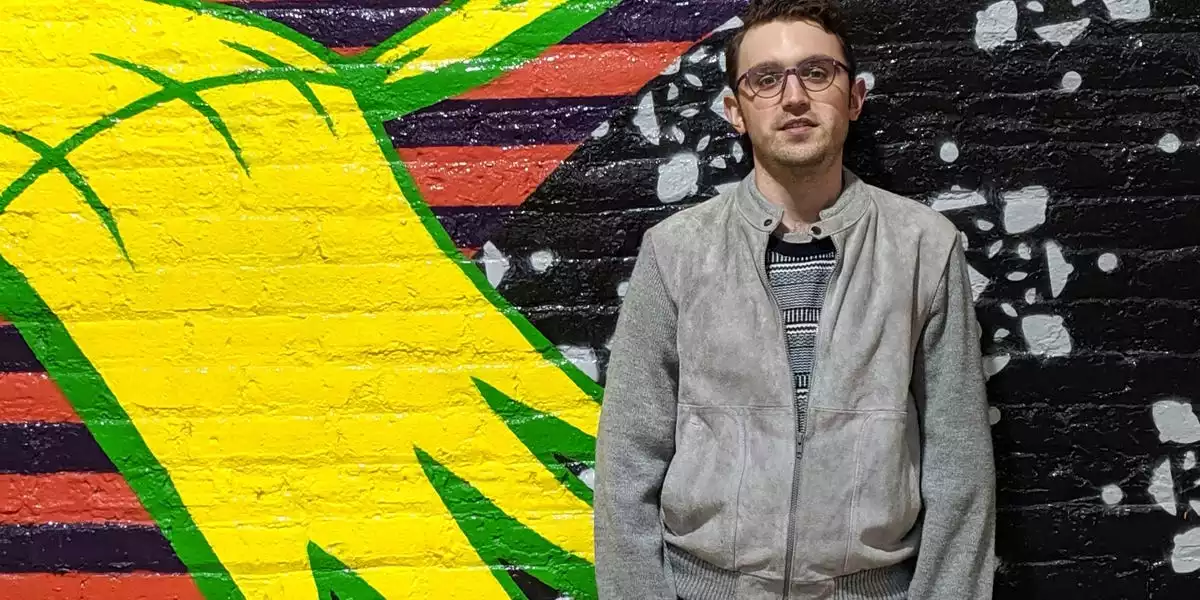
CJ Darnieder’s journey, from the vibrant comedy clubs of Chicago to the quieter promise of Milwaukee, reads as both a personal odyssey and a case study in the seismic shifts redefining creative labor. His narrative, marked by pandemic upheaval, economic precarity, and a recalibration of personal priorities, distills the broader forces at play in today’s knowledge economy. As the gig model’s fragility is laid bare, and as digital transformation accelerates across live entertainment, leaders in business and technology are compelled to rethink the architectures that underpin talent, value, and resilience.
Gig Economy Instability and the Rise of Digital Patronage
The volatility that Darnieder faced—abrupt contract loss, fragmented income, and the evaporation of live venues—spotlights the persistent risk endemic to creative work. The live-performance sector, still priced for pre-pandemic realities, offers little in the way of income smoothing or structural safety nets. The absence of portable benefits or multi-platform royalty infrastructure leaves creators exposed to shocks, with few mechanisms to buffer against downturns.
This instability is catalyzing a migration toward digital patronage and diversified revenue streams:
- Platforms like Patreon and Substack are becoming lifelines, enabling comedians and writers to cultivate direct relationships with their audiences.
- Web3 micro-royalties and decentralized content monetization models are gaining traction, promising anti-fragile income stacks less tethered to traditional gatekeepers.
- Hybrid content models—from TikTok sketches to Zoom performances—are democratizing audience access, transforming stand-up comedy into an omni-channel enterprise.
The implications for platform builders and fintech innovators are profound. There is a burgeoning opportunity to develop creator-focused risk-hedging products: embedded insurance for gig workers, receivables factoring, and income-smoothing tools tailored to the unique volatility of creative labor.
Urban Exodus and the Revaluation of Place
Darnieder’s retreat from Chicago to Milwaukee is emblematic of a broader urban realignment. The pandemic’s disruption of network-density premiums—once the raison d’être for costly urban living—has prompted a wave of “boomerang talent” seeking affordability, community, and quality of life in secondary and tertiary cities.
Municipalities and real estate stakeholders are responding with:
- Gigabit broadband rollouts and creative-sector grants to attract and retain mobile knowledge workers.
- Flexible co-working spaces and performance studios, repurposing retail vacancies for the new creative economy.
- Streamlined permitting for pop-up venues and podcast pods, lowering barriers for entrepreneurial talent.
For urban policymakers, the playbook is clear: invest in digital infrastructure, foster creative ecosystems, and reimagine real estate to anchor the post-pandemic migration of talent. Those who move swiftly will siphon human capital from legacy metros, reshaping the geography of innovation.
Mental Fitness, Modular Relationships, and the Evolving Social Contract
Beyond economics and geography, Darnieder’s story is also a meditation on the psychological toll of creative work in uncertain times. His embrace of journaling, gratitude, and self-help reflects a surging market for digital mental-fitness tools—apps like Calm, Headspace, and Stoic, whose adoption has soared by 25% year-over-year among knowledge workers.
Employers are taking note:
- Mental-health stipends and app subscriptions are now core components of creative talent retention strategies.
- Sentiment AI and journaling analytics are being integrated into employee-assistance dashboards, quantifying emotional resilience and informing workforce planning.
- Portfolio employment models—offering part-time core hours with sanctioned side-hustle flexibility—are emerging as a competitive differentiator in talent acquisition.
Meanwhile, the rise of modular, fluid relationship structures—highlighted by Darnieder’s own experiences—complicates traditional HR and benefits design. Insurers and people teams must now accommodate evolving definitions of caregiving, dependency, and support, further blurring the boundaries of the social contract.
Strategic Imperatives for the Next Era of Creative Work
The lessons from Darnieder’s arc are unmistakable for enterprise leaders and policymakers:
- Diversify creator revenue channels with embedded fintech and digital patronage.
- Engineer location-agnostic operating models to capture talent wherever it migrates.
- Embed behavioral-health scaffolding into the employee value proposition, recognizing resilience as a strategic asset, not merely a personal virtue.
- Modularize upskilling pathways—as seen in the pivot to stackable humanities credentials—to meet the demand for storytelling expertise paired with digital fluency.
In the relentless churn of post-pandemic markets, the organizations that thrive will be those that institutionalize flexibility, invest in human capital infrastructure, and treat adaptability as the new currency of competitive advantage. The creative class is in flux, but for those attuned to its signals, the future is rich with possibility.

 By
By
 By
By
 By
By
 By
By
 By
By


 By
By