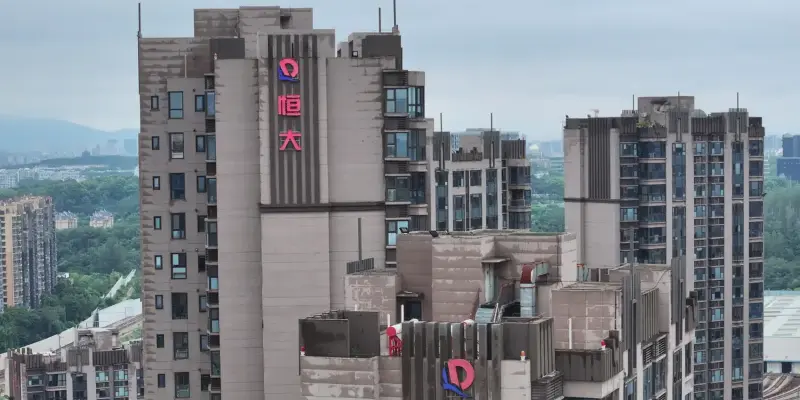

In another blow to China Evergrande Group, trading in its shares has been suspended once again, just a month after they returned from a 17-month hiatus. The troubled real estate giant is currently undergoing a restructuring plan aimed at offloading assets to avoid defaulting on a staggering $340 billion debt. This latest suspension raises concerns about the company’s ability to navigate its financial challenges, as well as the overall stability of China’s real estate market.
Evergrande’s ongoing struggle to address its massive debt burden has been closely watched by investors and experts alike. The company’s restructuring plan, which involves selling off assets, is a desperate attempt to prevent default and potential bankruptcy. However, the suspension of trading in its shares is a clear indication that the situation remains precarious. It raises questions about the company’s ability to successfully execute its restructuring plan and regain investor confidence.
Furthermore, the implications of Evergrande’s troubles extend beyond the company itself. As one of China’s largest property developers, its financial instability has the potential to send shockwaves through the country’s real estate market. The sector plays a significant role in China’s economy, and any disruptions or defaults could have far-reaching consequences. Investors and policymakers will be closely monitoring the situation, as they seek to gauge the potential impact on the broader economy.
The suspension of trading in China Evergrande shares, just a month after their return, underscores the ongoing challenges faced by the troubled real estate giant. As it strives to offload assets and avoid defaulting on its massive debt, the company’s future remains uncertain. The implications of Evergrande’s struggles extend beyond its own fate, as they raise concerns about the stability of China’s real estate market and the broader economy. Investors and experts will continue to closely monitor developments, eager for any signs of a potential resolution or further disruptions.

 By
By
 By
By
 By
By
 By
By
 By
By
 By
By
 By
By
 By
By