


Bose’s Price Gambit: Shifting the Soundbar Landscape
Bose’s dramatic 41 percent price cut on its entry-level TV Speaker—now retailing for a mere $163—may, at first glance, seem like a routine weekend promotion. Yet beneath the surface, this move signals a tectonic shift in the home audio market, where premium brands are now forced to navigate the choppy waters of commoditization, shifting consumer priorities, and the relentless advance of technology down-market.
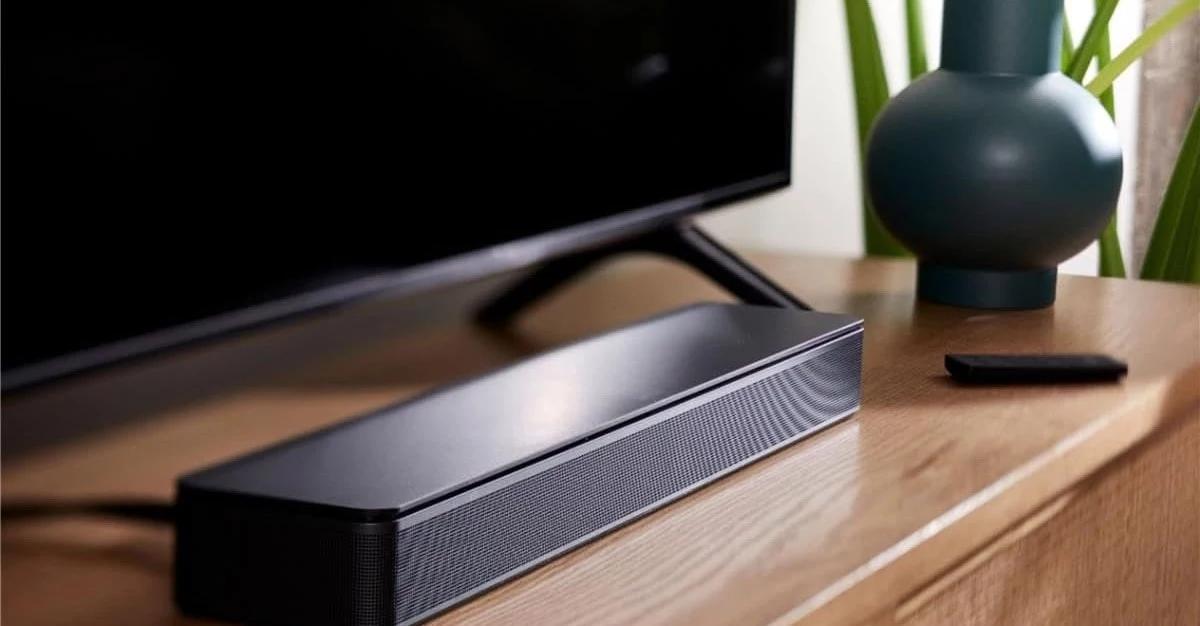
The Bose TV Speaker, a compact three-driver soundbar with optical, HDMI, and Bluetooth connectivity, is now positioned squarely in the crosshairs of cost-conscious buyers. Notably absent are advanced features such as Dolby Atmos, DTS:X, or smart-assistant integration—once the exclusive domain of flagship models, now increasingly expected even in mid-tier offerings. This calculated omission, paired with a sharp price drop, reveals Bose’s intent: defend brand relevance and mindshare as the entry-level audio segment grows ever more crowded with aggressive competitors like Amazon, Roku, and Vizio.
The Economics of “Good-Enough” Audio and Inventory Realignment
The timing and magnitude of this discount are telling. In the consumer electronics sector, a 40 percent markdown on a recently refreshed product is rarely arbitrary. It typically reflects either a strategic effort to clear inventory ahead of an imminent, feature-laden successor or a deliberate attempt to capture share in a segment where price sensitivity has become paramount. For Bose—a company historically synonymous with premium pricing—this marks a notable pivot.
Several factors underpin this shift:
- Component Cost Deflation: Year-over-year declines in prices for digital-to-analog converters, Bluetooth chipsets, and Class-D amplifiers have afforded manufacturers like Bose the flexibility to discount aggressively without sacrificing profitability.
- Inventory Optimization: With new product cycles looming, clearing existing stock at a competitive price point minimizes exposure to obsolescence and frees up resources for upcoming launches.
- Changing Consumer Preferences: As streaming platforms optimize for compressed audio formats and smaller screens, the experiential gap between high-end Atmos systems and well-tuned 2.1 bars narrows—especially in secondary rooms or among first-time buyers.
Bose’s psychoacoustic tuning, including dialogue enhancement and bass boost, allows the company to deliver perceived quality without incurring the licensing costs associated with advanced spatial-audio standards. In effect, Bose is monetizing “good-enough” audio, targeting users who value simplicity and clarity over bleeding-edge features.
Retail Dynamics: Bundling, Gaming, and the Wearable-Audio Nexus
The Bose discount does not exist in isolation. It is part of a broader promotional ecosystem encompassing accessories like the Twelve South USB-C PowerCord, the 8BitDo Ultimate 2 controller, and Casio’s G-Shock Move smartwatch. This cross-category bundling is orchestrated by major retailers leveraging AI-driven algorithms to maximize basket size and margin. A discounted Bose soundbar draws traffic, while attach rates on high-margin cables and controllers bolster overall profitability.
Intriguingly, the timing aligns with rumors of Nintendo’s next-generation Switch 2, which is expected to feature a more sophisticated audio pipeline. For casual gamers and families, an affordable Bose soundbar becomes an attractive acoustic upgrade—particularly as gaming and streaming increasingly converge in the living room. The simultaneous discounting of 8BitDo controllers hints at channel coordination, likely anticipating heightened demand around the Switch 2’s launch.
Meanwhile, Casio’s smartwatch promotion underscores the mounting pressure on single-function wearables as tech giants integrate health tracking into mainstream devices. The interplay between audio hardware and wellness technology is an emerging frontier; Bose’s own QuietComfort Ultra headphones have toyed with biometric features, suggesting a future where audio and health data coalesce in new, monetizable ways.
Strategic Imperatives in a Fluid Market
For industry decision-makers, the implications are profound. The Bose move is a clarion call to:
- Segment Portfolios: Develop tiered product lines—from sub-$200 simplicity to $800+ modular systems with immersive features—to capture shifting demand as advanced technologies commoditize.
- Monetize Beyond Hardware: Explore service layers such as subscription-based calibration tools or premium app features, leveraging an expanded install base for recurring revenue.
- Refine Channel Intelligence: Harness real-time pricing and inventory analytics to optimize supply chains and promotional strategies, staying agile in a volatile market.
- Negotiate Ecosystem Partnerships: Anticipate co-marketing opportunities with gaming and smart-TV platforms, leveraging current discount waves to build future install bases.
- Secure Component Supply: Hedge against geopolitical risk in component sourcing, locking in favorable terms before market conditions shift.
Bose’s aggressive pricing is not merely a fleeting retail tactic—it is a harbinger of the home audio sector’s next act. As the boundaries between product categories blur and consumer expectations recalibrate, the brands that thrive will be those that read these signals early, adapt their strategies, and embrace the fluidity of a market where yesterday’s luxuries are tomorrow’s baseline.

 By
By


 By
By
 By
By

 By
By
 By
By







