


The Quiet Revolution in Your Morning Cup: How Vanilla Creamers Signal a New Era in Food Innovation
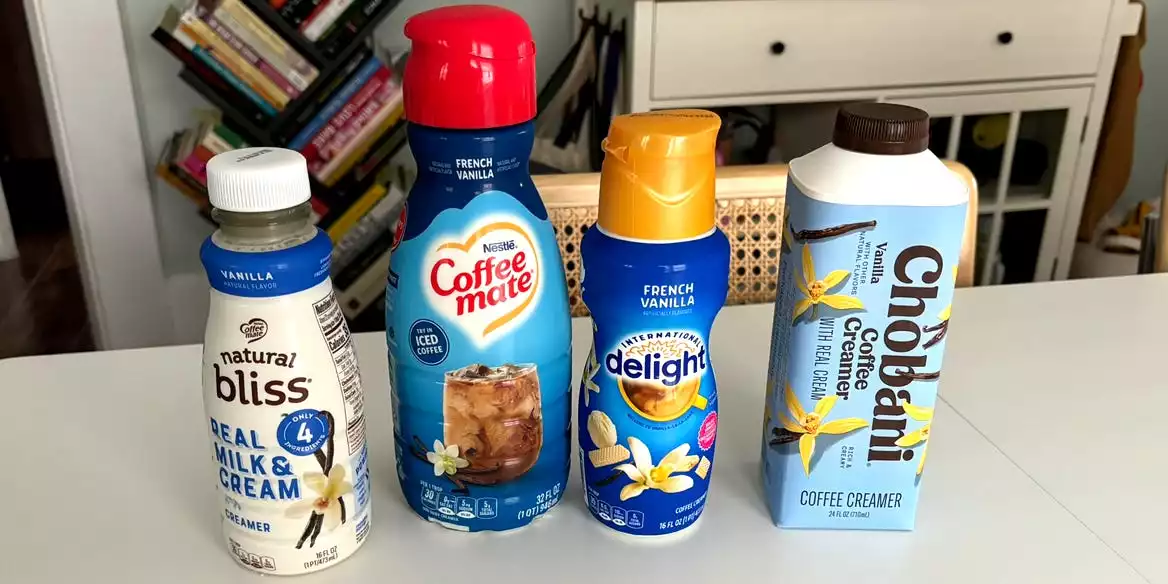
In the unassuming ritual of morning coffee, a quiet revolution is underway—one that transcends the mug and ripples through the $5-billion U.S. refrigerated creamer market. A recent comparative taste test of four mainstream vanilla coffee creamers—Coffeemate, International Delight, Chobani, and Coffeemate Natural Bliss—unveils not just evolving consumer palates, but a profound shift in how value, sustainability, and technology are redefining what we pour into our cups.
Ingredient Minimalism and the Science of Sensory Experience
At the heart of this transformation lies the consumer’s growing appetite for “clean-label” formulations—products with ingredient lists as short as a haiku, yet engineered for maximum flavor and mouthfeel. The test results were unequivocal: while legacy brands like Coffeemate still command shelf space through price, their thinner consistency and muted flavor profile exposed the trade-offs of cost-driven formulations. In contrast, Chobani and Natural Bliss, with their pared-down ingredient decks, not only delivered a richer sensory experience but also justified a 30–70% price premium.
Behind these preferences is a sophisticated interplay of formulation science and material engineering:
- Emulsification Mastery: International Delight’s tendency to separate in the bottle is more than a minor annoyance; it’s a challenge rooted in the complexities of fat-protein stabilization. Advanced emulsifiers and micro-encapsulation techniques—once the domain of pharmaceutical R&D—are now table stakes for food scientists seeking to deliver consistent texture without resorting to legacy stabilizers or high-fructose sweeteners.
- Ingredient Transparency: Natural Bliss’s four-ingredient formula is emblematic of a broader industry pivot. As regulatory scrutiny tightens on “natural” claims and sugar labeling, brands are compelled to innovate with enzymatic or fermentation-derived alternatives, ensuring that transparency is not just marketing, but a regulatory imperative.
Packaging as Strategy: Sustainability, Ergonomics, and Brand Identity
Packaging, often dismissed as mere aesthetics, has become a battleground for competitive differentiation. Chobani’s choice of a gable-top carton, eschewing traditional HDPE plastic, is a strategic play that resonates with Gen Z’s sustainability ethos and ESG-conscious investors. This move, while complicating cold-chain logistics, signals a willingness to trade operational complexity for brand equity and shelf distinction.
Meanwhile, International Delight’s ergonomic bottle, designed for convenience, underscores a new frontier: smart packaging. The future may well belong to closures that agitate contents mechanically or even IoT-enabled freshness indicators, blending physical and digital innovation to address both consumer experience and food safety.
Data, Distribution, and the Battle for Margin
As the creamer aisle grows more crowded, the ability to iterate quickly and target micro-segments becomes paramount. Here, data-driven platforms are rewriting the rules:
- AI-Enabled Sensory Analytics: By simulating consumer palates before pilot production, newer entrants can leapfrog incumbents, optimizing for mouthfeel and flavor with unprecedented speed.
- Dynamic Pricing and DTC Channels: Machine learning is already shaping promotion planning, essential in a market where per-ounce price spreads are razor-thin. Direct-to-consumer models, bolstered by robust first-party data, enable rapid A/B testing of seasonal flavors and subscription-based replenishment, while retail media networks like Kroger and Amazon monetize digital end-caps, rewarding brands that master the art of data-driven visibility.
The economic undercurrents are equally dynamic. As dairy prices fluctuate and supply chains face geopolitical shocks, brands with dual-sourcing capabilities and plant-based fat analogs are better positioned to weather volatility—mitigating both margin erosion and carbon intensity.
Strategic Vectors and the Road Ahead
What emerges from this seemingly simple taste test is a roadmap for the future of food and beverage innovation:
- Clean-Label as Baseline: Transparent formulations are no longer a differentiator—they are the ante to play.
- Sustainability as Value Creation: Packaging that demonstrably reduces emissions can command a premium, transforming ESG from compliance to profit center.
- R&D and Supply Chain Integration: The convergence of flavor science, material engineering, and real-time commodity analytics is compressing product development cycles, enabling brands to pivot rapidly in response to market signals.
- Micro-Segmentation: AI-driven consumer clustering is turning subtle taste preferences into high-margin SKUs, minimizing cannibalization and maximizing brand reach.
For investors and strategists, the implications are clear. Private equity interest is set to intensify around mid-cap brands marrying proprietary emulsification technology with ESG-forward packaging. M&A activity will likely mirror the playbook of dairy giants acquiring clean-label expertise and innovative packaging capabilities. Meanwhile, digital twins and dynamic reformulation engines will become indispensable as regulatory and commodity landscapes shift.
The vanilla creamer taste test, then, is far more than a consumer curiosity. It is a prism through which we glimpse the future of food: a landscape where sensory science, sustainable design, and data agility converge, blurring the boundaries between commodity and indulgence. Those who master this synthesis will not just capture market share—they will define the next chapter in the evolution of everyday indulgence.

 By
By


 By
By
 By
By

 By
By
 By
By







