

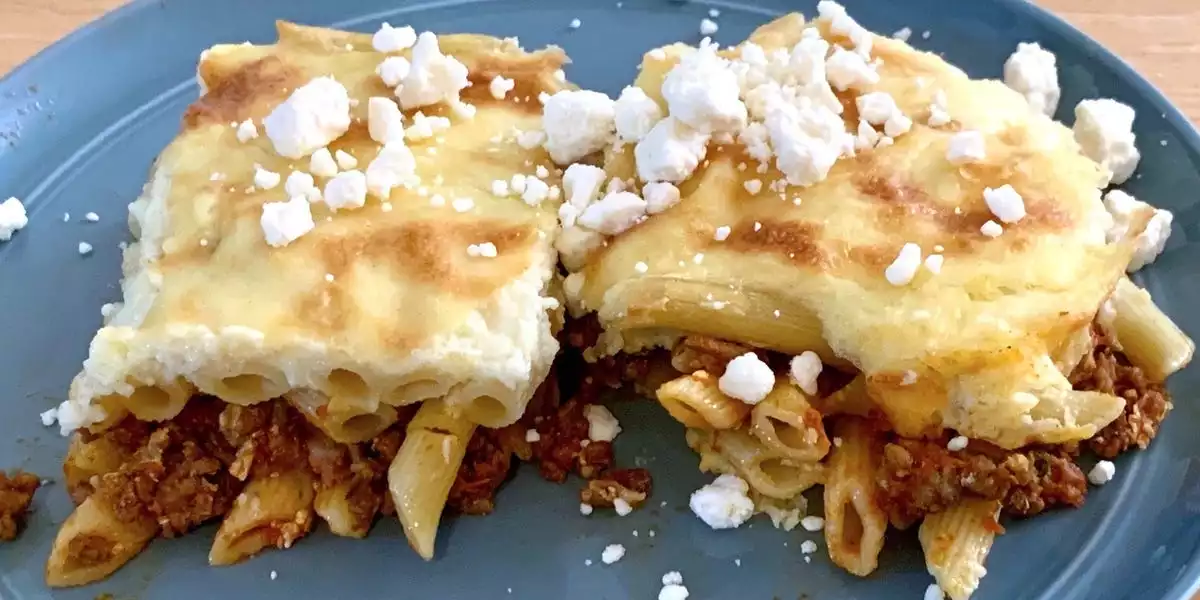

The Pastitsio Effect: When Heritage Cuisine Meets the Modern Marketplace
The aroma of cinnamon-laced meat sauce and bubbling béchamel, once confined to the kitchens of Greek grandmothers, is now wafting through a new generation of homes—and, increasingly, through the corridors of the packaged food and hospitality industries. The journey of a home cook mastering pastitsio, a layered Greek pasta bake, is more than a culinary vignette; it is a prism through which we glimpse the evolving interplay between nostalgia, innovation, and the economics of comfort food.
Comfort Food as Cultural Capital and Economic Engine
Pastitsio’s ascendance—often branded as a “better lasagna”—is a case study in how heritage dishes are being repositioned to compete with global mainstays. This reframing is not merely a matter of culinary pride; it is a strategic maneuver akin to the elevation of ramen, birria, or shakshuka from regional specialties to global sensations. The emotional resonance of intergenerational cooking, especially in a world marked by separation and longing, endows such dishes with a commercial gravity.
Brands that can distill these feelings into tangible products—be it meal kits, ready-to-bake casseroles, or immersive online cooking experiences—are tapping into a category that is both recession-resistant and emotionally charged: affordable indulgence, anchored in memory. The pastitsio narrative underscores how nostalgia is not just a sentiment but a lever for durable consumer demand.
Pantry-First Innovation and the White Space of Mediterranean Flavors
At the heart of pastitsio’s appeal is its reliance on pantry staples: penne, ground beef, milk, and flour. In an inflationary climate, this is more than convenience—it is strategic resilience. Consumers are seeking versatility and efficiency, gravitating toward ingredients that traverse multiple cuisines and meal occasions. For consumer packaged goods (CPG) companies, this signals an opportunity to innovate within familiar formats.
The béchamel sauce, a defining element of pastitsio, exposes a notable gap in North American grocery aisles: while Italian pasta sauces abound, Mediterranean cream sauces remain underrepresented. This white space is ripe for SKU expansion, private-label experimentation, and cross-category merchandising. Ingredient suppliers, too, can capitalize by bundling “Mediterranean Staples” subscription boxes, pairing bulk commodities with high-margin specialty items—think sheep’s-milk feta or artisanal pasta shapes.
Digital Storytelling and the Algorithmic Revival of Heritage Recipes
The father-to-child coaching moment, conducted remotely and immortalized through digital platforms, reflects a broader shift in how culinary knowledge is transmitted and consumed. TikTok, YouTube, and Instagram have become the new oral tradition—scalable, searchable, and algorithmically amplified. These platforms are not just entertainment channels; they are engines of demand, shaping grocery lists and influencing which ingredients surge into the mainstream.
Data harvested from these digital interactions can inform predictive models for specialty ingredients, giving retailers and suppliers a forward-looking view of which SKUs might “go viral.” Meal-kit platforms, for their part, are uniquely positioned to AB-test scalable, layered bakes that leverage existing inventory pools, optimizing both consumer satisfaction and supplier terms.
Hospitality, Delivery, and the Economics of Layered Comfort
Pastitsio’s crowd-feeding nature dovetails with the resurgence of small-format gatherings and the rise of ghost kitchens. Its bake-and-hold format offers favorable economics for delivery-first operators: it travels well, reheats reliably, and minimizes labor minutes—critical variables in a market where margin is sensitive to packaging time and quality decay. For corporate catering and communal dining, such dishes offer variety without operational complexity, making them attractive for both providers and consumers seeking comfort and novelty.
The supply chain, too, is evolving. Sourcing dairy inputs for béchamel presents an opportunity for regenerative agriculture initiatives, allowing brands to differentiate through quantifiable carbon reductions. Near-shore pasta manufacturing—such as facilities in Mexico serving the U.S. market—can mitigate shipping volatility and enable rapid customization for ethnic dishes, ensuring that the supply side keeps pace with the demand for authenticity.
The resurgence of pastitsio is not a fleeting trend but a signal of a broader consumer shift. As the lines between tradition and innovation blur, companies that harness data analytics, adaptive supply chains, and culturally nuanced storytelling will be best positioned to capture durable share in a value-driven food landscape. The future of comfort food is layered—in flavor, in meaning, and in opportunity.

 By
By
 By
By

 By
By
 By
By

 By
By








