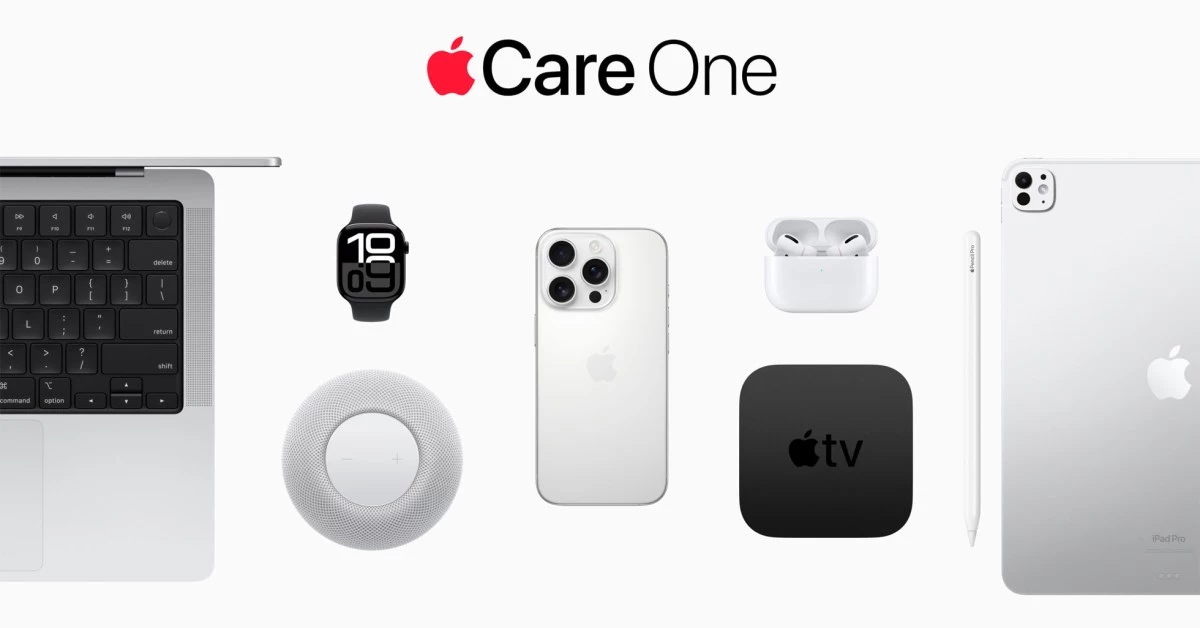

AppleCare One: Redefining Device Protection in the Subscription Era
Apple’s unveiling of AppleCare One signals a pivotal recalibration in the landscape of device protection—one that is as much about strategic positioning as it is about consumer benefit. At $19.99 per month for up to three devices, with a marginal $5.99 for each additional device, AppleCare One is less a warranty and more a subscription-based ecosystem play, fusing hardware coverage, insurance, and digital convenience into a seamless, shareable bundle.
The Mechanics of a New Protection Paradigm
At its core, AppleCare One consolidates the familiar perks of AppleCare Plus—battery replacement, unlimited accidental-damage repairs, and 24/7 support—into a single, multi-device policy. What sets this offering apart is its radical inclusivity: devices up to four years old now qualify, a dramatic extension from the previous 60-day enrollment window, provided they pass Apple’s diagnostic checks. This move not only broadens the addressable market but also signals Apple’s confidence in its actuarial modeling, leveraging vast troves of device telemetry to price risk with a precision few insurers can match.
Notably, theft and loss protection is now automatically included for iPhones, iPads, and Watches, further elevating the perceived value and tapping into the lucrative economics of device insurance. The digital onboarding process—whether via iOS, macOS, or in-store—cements the Apple ID as the master key to hardware, content, and now, comprehensive protection.
Strategic Intent: Services Flywheel and the Circular Economy
AppleCare One is not merely a product refresh; it is a calculated extension of Apple’s high-margin services flywheel. With services gross margins exceeding 70%, compared to hardware’s mid-30% range, Apple is doubling down on annuity-style revenue streams that monetize its massive installed base without relying on new device sales—a critical hedge as global smartphone replacement cycles stretch beyond 40 months in mature markets.
The decision to insure older devices serves a dual purpose. First, it encourages consumers to retain their devices longer, aligning with Apple’s “circular economy” ambitions and preempting regulatory pressures such as the EU’s right-to-repair mandates. Second, it enables Apple to harvest service revenue even as hardware sales plateau, providing a buffer against macroeconomic headwinds and shifting consumer behavior.
This is, in essence, an embedded InsurTech maneuver. By internalizing the extended warranty and micro-insurance business, Apple leverages its unparalleled access to real-time diagnostic data from nearly two billion active devices. The potential for this model to scale—encompassing AirPods, Vision Pro, and even select third-party peripherals—could fundamentally reshape the device protection market.
Competitive Ripples and Regulatory Undercurrents
AppleCare One’s unified, multi-device approach stands in stark contrast to the piecemeal offerings from competitors like Samsung Care+ Family and Google Preferred Care, neither of which match Apple’s generous enrollment window. Carriers, long reliant on warranty revenue, now face direct competition from Apple’s consumer-centric push, a shift likely to reverberate through future negotiations and partnership models. Third-party warranty providers, such as SquareTrade-Allstate and Asurion, are equally vulnerable, their traditional roles diminished as Apple tightens its grip on the customer relationship.
Yet, this bold expansion is not without risk. Extending coverage to aging hardware increases the probability of claims, potentially squeezing margins if not managed with actuarial discipline. Regulatory scrutiny looms, particularly in the EU, where bundling practices and third-party repair access are under the microscope. The insurance business, with its patchwork of state and national licensing requirements, presents a complex compliance landscape that Apple must navigate with care.
Implications for Industry Stakeholders
The reverberations from AppleCare One will be felt across the technology value chain:
- Hardware OEMs: The bar has been raised for device protection; first-party telemetry-driven warranty models are now table stakes.
- Carriers and Retailers: Ancillary revenue streams are at risk; integration with OEM programs or diversification is imperative.
- InsurTech Start-ups: The path forward lies in analytics and risk-scoring partnerships, as pure-play warranty volume faces disruption.
- Enterprise Procurement and CIOs: Simplified, fleet-level coverage offers operational efficiencies as BYOD and corporate assets converge.
- Investors: The incremental annual recurring revenue potential is substantial—if even 15% of the active iPhone base adopts AppleCare One, estimates suggest a $3–5 billion boost to Apple’s top line.
AppleCare One is more than a warranty—it is a strategic lever, deepening Apple’s embrace of recurring revenue, fortifying customer lock-in, and setting a new standard for device lifecycle management. As this protection paradigm takes hold, competitors and partners alike must reexamine their roadmaps, lest they find themselves outpaced in a market increasingly defined by bundled value and seamless digital integration.

 By
By
 By
By
 By
By
 By
By
 By
By