

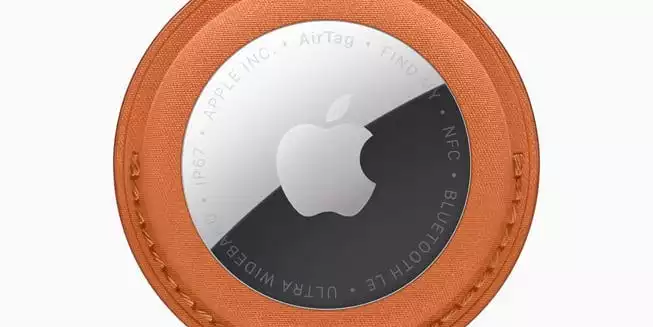

The Subtle Power Play Behind Apple’s AirTag Refresh
Apple’s unveiling of the second-generation AirTag may, at first blush, seem like a modest footnote amid the company’s more headline-grabbing launches. Yet beneath its polished aluminum surface, the AirTag refresh signals a deepening of Apple’s ambitions in the interconnected world of consumer IoT—and a recalibration of the accessory market’s very foundations.
A Louder, Smarter, and More Strategic Tracker
The new AirTag iteration introduces a louder alert tone, extended Bluetooth and Ultra Wideband (UWB) range, and a more efficient chipset—all while maintaining its $29 single and $99 four-pack price points. The improvements, though incremental, are telling. The enhanced UWB chip, likely a next-generation U1 or U2 variant, is not just about helping users find misplaced keys. It is a quiet but deliberate step toward a future where spatial computing becomes the connective tissue of Apple’s ecosystem. As the Vision Pro and other AR/VR initiatives loom, these subtle hardware upgrades lay the groundwork for a world in which every device, every object, is contextually aware.
The louder chirp, meanwhile, is more than a nod to convenience. It is a preemptive answer to mounting global regulatory scrutiny around covert tracking and personal safety. By boosting acoustic output, Apple is aligning with emerging anti-stalking mandates—positioning itself as a privacy-centric standard-bearer in a market increasingly defined by trust.
Economic Undercurrents and Channel Choreography
Apple’s decision to hold the AirTag’s MSRP steady, even as it upgrades the bill of materials, is a masterclass in price signaling and margin discipline. It suggests either scale-driven cost efficiencies or a strategic willingness to compress accessory margins in order to defend the breadth of the Apple ecosystem. Simultaneously, retailers are clearing first-generation AirTag four-packs at a steep discount, orchestrating a classic channel-inventory ballet: accelerate sell-through, minimize write-downs, and expand the installed base that powers the Find My network.
This choreography is set against a backdrop of shifting consumer priorities. Even among tech-forward early adopters, enthusiasm for incremental upgrades is muted. The calculus of discretionary spending has changed—accessories now vie not just with rival gadgets, but with streaming subscriptions, travel plans, and even deferred mortgage payments. In a disinflationary yet uneven economy, the “good enough” device is stickier than ever, raising the strategic premium on software differentiation and services-driven revenue.
Ecosystem Lock-In and the Maturation of IoT Trackers
Each AirTag is more than a tracker; it is a node in a privacy-shielded, crowdsourced sensor network. With every device sold, Apple strengthens the gravitational pull of its ecosystem, outpacing rivals like Tile and Google’s nascent Find My Device network. The result is a self-reinforcing moat: a larger installed base means more robust location coverage, which in turn makes the platform more attractive for both consumers and enterprise partners.
The AirTag’s evolution also highlights Apple’s deft use of overlapping feature sets to nudge multi-device ownership. Anecdotes abound of Apple Watch users relying less on AirTags for phone-finding, illustrating how each new hardware surface becomes both a substitute and a complement. This is ecosystem lock-in by design, not accident.
Strategic Ripples Across Industries and the Road Ahead
The implications of this refresh extend well beyond the consumer market. As ambient IoT transitions from novelty to operational backbone—tracking airline baggage, rental fleets, and cold-chain logistics—Apple’s consumer scale subsidizes component pricing that enterprise players will soon leverage. Supply chain de-globalization and reshoring only amplify the need for robust asset tracking, hinting at future industrial SKUs or licensing partnerships.
For technology product managers, the message is clear: meaningful, ecosystem-driven updates every 24–36 months are the tempo to watch. Channel partners and CFOs can take cues from Apple’s dual-SKU strategy, keeping legacy models alive at strategic discounts to capture value-oriented segments. And for firms eyeing the tracker market, privacy-first design and ongoing compliance updates are no longer optional—they are the price of admission.
The AirTag refresh is more than a minor hardware update. It is a strategic breadcrumb in Apple’s slow-burn transition from device maker to spatial-computing platform orchestrator. Those who dismiss these incremental moves as trivial risk missing the architectural foundations of the next competitive frontier—one where the boundaries between physical and digital, device and service, are quietly being redrawn.

 By
By

 By
By
 By
By

 By
By

 By
By







