

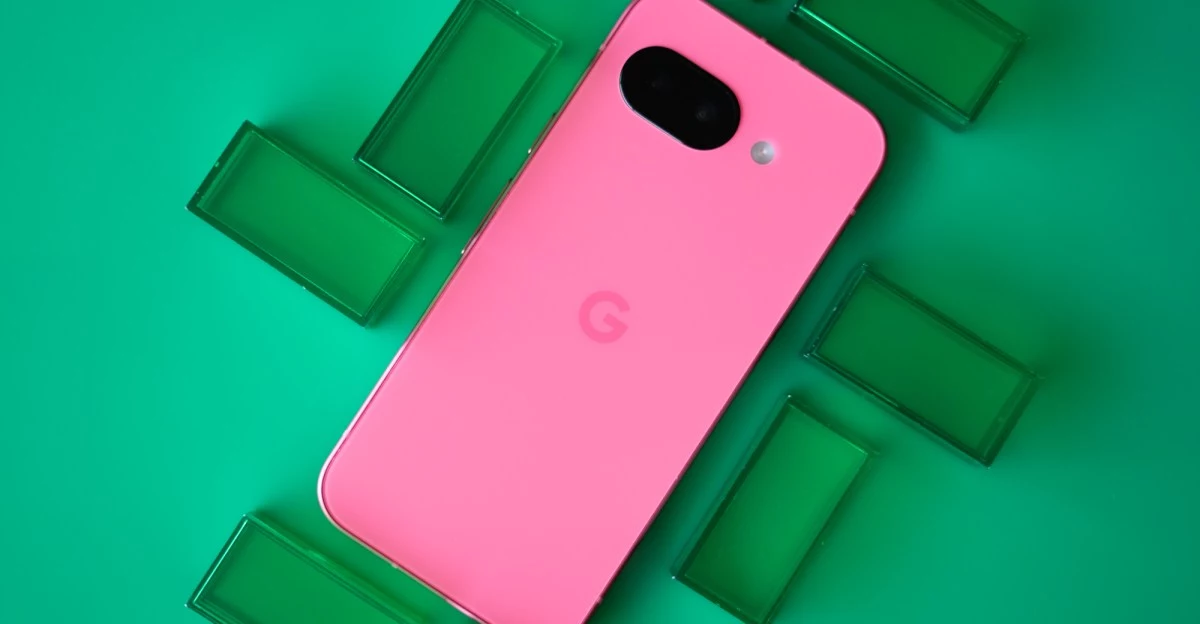

The $349 Pixel 9a: Redefining Value in the Smartphone Arena
Amazon’s October Prime Day has ignited a seismic shift in the U.S. smartphone market, propelling Google’s Pixel 9a to a historic low of $349—an aggressive $150 drop from its launch price. This move, set against a backdrop of moderating inflation and cautious consumer spending, is more than a fleeting promotion. It signals a recalibration of mid-tier smartphone economics, ecosystem strategy, and the very definition of value for both consumers and industry stakeholders.
Price, Positioning, and the New Economics of Mid-Tier Smartphones
The $349 Pixel 9a is not merely a discounted device; it is a calculated lever in Google’s broader playbook. By slashing its effective mid-tier average selling price by nearly 30%, Google has set a new benchmark for what a fully supported, 5G-capable Android phone can cost in the U.S. market. This price point is likely to ripple through competitors’ Q4 pricing models, especially as Black Friday and holiday bundles approach.
For Amazon, the Pixel 9a serves dual purposes:
- Demand Catalyst: Drawing Prime Day traffic with a headline-grabbing offer.
- Inventory Optimization: Accelerating warehouse turnover without resorting to deeper subsidies on flagship models.
From a macroeconomic lens, the promotion lands at a time when U.S. consumers are scrutinizing every dollar. An under-$400 device with a flagship-grade OLED display, IP68 water and dust resistance, and a camera stack that nearly rivals the Pixel 10 series directly addresses the growing prioritization of durability and total cost of ownership.
Google’s Ecosystem Gambit and Competitive Fallout
The Pixel 9a is less a profit engine and more a Trojan horse for Google’s expanding services ecosystem. With seven years of promised software and security updates—stretching support through 2031—Google is locking users into a future where Gemini-powered AI features, Photos, and YouTube Premium become habitual, potentially indispensable, digital companions.
Key strategic implications include:
- Ecosystem Entrenchment: The extended update window is a subtle but powerful lock-in, ensuring users remain within Google’s orbit for years.
- AI Monetization: By deploying last-generation Tensor G4 silicon, Google minimizes inventory risk while maintaining competitive machine learning performance, effectively monetizing its AI R&D across multiple product cycles.
- Regulatory Foresight: The seven-year support pledge anticipates regulatory trends around right-to-repair and software longevity, setting a new bar for rivals like Samsung and Apple to match—or justify falling short.
The competitive landscape is already shifting. Apple’s iPhone SE (2022) and Samsung’s Galaxy A54 now face uncomfortable comparisons in both camera performance and software longevity. Meanwhile, Chinese vendors such as OnePlus and Xiaomi may respond with spec-heavy “value flagships,” but entrenched U.S. channel barriers keep the Pixel 9a as the domestic mid-tier reference device for now.
Technology Choices and the Sustainability Mandate
The Pixel 9a’s hardware choices are emblematic of a maturing industry. The reuse of Tensor G4 silicon underscores a slowing cadence in year-over-year performance leaps, pushing differentiation into the software realm. Limiting wireless charging to 7.5 W is a deliberate trade-off, prioritizing battery endurance and thermal management over headline-grabbing charge speeds.
Perhaps most consequential is the device’s seven-year patch policy. This commitment not only reduces device churn—addressing mounting investor and regulatory pressure on e-waste—but also positions the 9a as a pragmatic choice for enterprises seeking lower-risk, lower-capex endpoints for fleet upgrades. For organizations weighing total cost of ownership, the calculus has shifted: software longevity now rivals hardware prowess as a procurement criterion.
Strategic Imperatives for Industry Stakeholders
The reverberations from this Prime Day maneuver extend far beyond Google and Amazon. For device manufacturers, persistent deep discounts on mid-range SKUs will compress margins, forcing a pivot toward services bundling and cross-device integration. Retailers must recalibrate promotional calendars, front-loading mid-tier deals to capture price-sensitive demand before higher-margin accessory sales peak in December.
Enterprise IT leaders, meanwhile, are presented with a compelling alternative to flagship procurement: a $349 handset with assured updates through 2031 materially lowers lifecycle costs and refresh risks. Investors should closely monitor whether this expanded Pixel base translates into higher ARPU from Google One, YouTube Premium, and Gemini upgrades—validating the subsidized hardware thesis.
Finally, regulators and policymakers may see Google’s seven-year update pledge as a new baseline in right-to-repair and antitrust deliberations, with the potential to shift industry norms for years to come.
The Pixel 9a’s record-low pricing is not just a promotional gambit—it is a watershed moment that redefines the intersection of hardware, software longevity, and ecosystem strategy in the U.S. smartphone market. As the holiday quarter approaches, the industry’s next moves will be shaped by this bold recalibration of value, support, and consumer expectation.

 By
By
 By
By

 By
By
 By
By


 By
By







