
The New Frontline: Lithium Batteries and the Modern Aviation Safety Dilemma
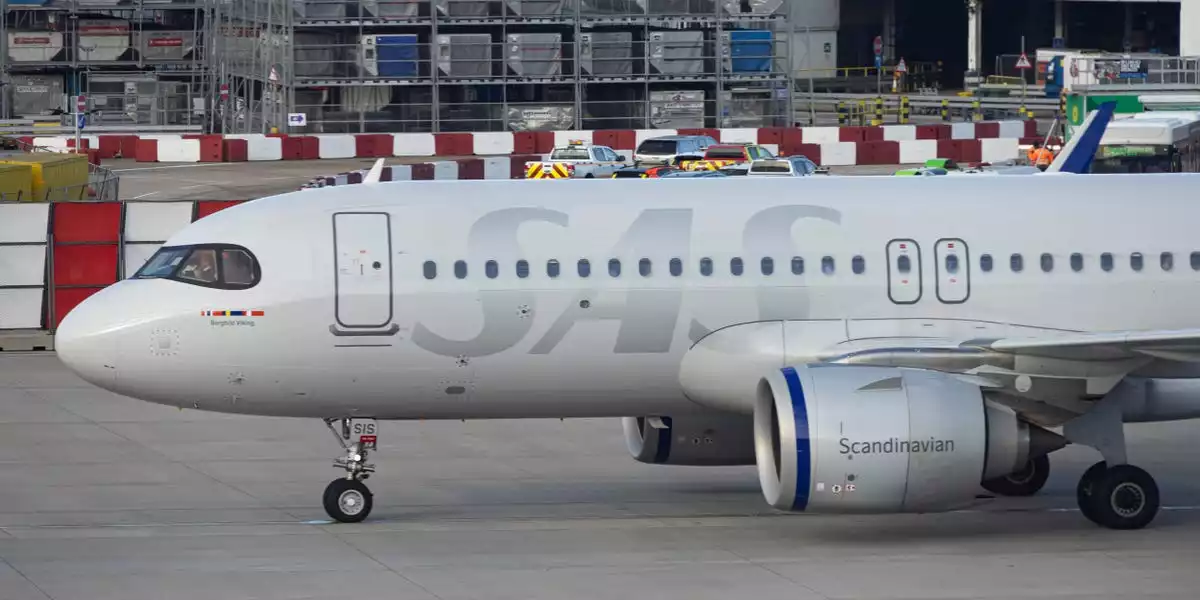
The aviation industry, long accustomed to navigating the turbulence of regulatory change and technological disruption, now finds itself confronting a threat that is both invisible and omnipresent: the lithium-ion battery. The recent incident aboard Scandinavian Airlines Flight 295—a damaged power bank erupting in smoke and panic on the tarmac at Oslo—has crystallized a new era of risk, one where the proliferation of high-density batteries in passenger cabins and cargo holds outpaces the controls designed to contain them.
Anatomy of a Crisis: How Lithium Batteries Escaped Their Box
The SAS episode is not an outlier but a harbinger. In 2023-24, thermal-runaway events involving lithium batteries have become a weekly occurrence worldwide. The numbers are sobering:
- Energy density in consumer devices has doubled in just five years, shrinking the margin for error between normal operation and catastrophic failure.
- Modern aircraft cabins now host an average of 3–6 active devices per passenger, multiplying ignition points and complicating the calculus of risk management.
- Detection remains a critical blind spot: Early venting gases are often invisible and odorless, while most aircraft lack the sensor arrays needed to spot trouble before it escalates.
The paradox is acute. Regulations encourage passengers to carry batteries in the cabin—where crew can respond quickly—yet the sheer volume of devices has transformed every seat into a potential ignition source. Meanwhile, the technical triggers for disaster—crush, puncture, or internal dendrite formation—can unleash a chain reaction faster than even the best-trained crew can deploy halon extinguishers.
Regulatory, Insurance, and Economic Fault Lines
As the threat landscape shifts, so too does the response from regulators, insurers, and the broader aviation ecosystem:
- Regulatory inertia persists: While the FAA and EASA issue safety alerts, binding international standards lag behind real-world incidents by up to two years.
- Insurers are recalibrating risk: Premiums are increasingly tied to an airline’s investment in detection technology, crew training, and containment equipment—a model borrowed from the cyber-insurance playbook.
- Economic consequences ripple outward: Unplanned diversions can cost up to $200,000 per incident, while catastrophic losses—such as the total write-off of an aircraft—can soar past $100 million. Battery-related surcharges threaten to erode already razor-thin margins, particularly on short-haul routes.
For consumer electronics manufacturers and logistics providers, the stakes are similarly high. Enhanced packaging requirements and air-cargo compliance costs are nudging some toward slower, less flexible shipping modes. The pressure to innovate—toward safer chemistries like lithium-iron-phosphate or solid-state batteries—has never been greater, especially as premium devices rely on air freight for global distribution.
Strategic Levers: From Reactive Controls to Proactive Differentiation
Forward-thinking airlines and their partners are not waiting for regulators to catch up. Instead, they are reimagining battery safety as a source of competitive advantage:
- Operational innovation: Deployment of cabin-integrated suppression systems, gas-sensor networks linked to cockpit alerts, and mandatory “battery vaults” for surrendered high-capacity devices are all on the table.
- Commercial differentiation: The concept of “battery-smart” flights, marketed to corporate travel buyers with heightened duty-of-care concerns, is gaining traction. Some carriers are exploring partnerships with insurers to offer micro-coverage for device-related incidents.
- Technology and investment: Venture capital is flowing into startups focused on detection sensors, fire-containment textiles, and next-generation battery chemistries. Aerospace interiors suppliers are eyeing acquisitions to embed safety features directly into seat architecture.
The implications extend beyond the passenger cabin. The electrification wave—spanning eVTOLs, cargo drones, and autonomous ground equipment—means aviation is both a regulator and a laboratory for battery technology. Incidents like the SAS fire underscore the urgency of closed-loop recycling and traceable supply chains, while geopolitical tensions over battery cell production threaten to reshape global logistics.
The Road Ahead: Leadership in an Era of Electrified Risk
The horizon is crowded with both challenge and opportunity. In the coming months, expect international bodies like ICAO and IATA to codify stricter watt-hour limits, mandate real-time device visibility, and raise the bar for crew training. Insurance premiums and compliance costs will climb, but so too will the rewards for those who can market safety as a premium offering.
Technological inflection points loom: solid-state and non-flammable electrolyte batteries may soon enter commercial service, while sensor-enabled cabins become the new standard for aircraft design. Airlines that fail to adapt risk not just regulatory sanction but exclusion from lucrative routes and corporate travel contracts.
Lithium battery risk has moved from the periphery to the core of aviation’s operational and reputational calculus. Those who seize the moment—treating battery safety as a platform for innovation rather than a regulatory burden—will define the next chapter of flight in an electrified world.

 By
By
 By
By
 By
By
 By
By

 By
By
 By
By
 By
By